
Parintins
All of Brazil, within reach.

Three horizontal stripes of white, red and white with a blue canton bearing 25 white stars, one per municipality in 1897, the larger star representing Manaus. White stands for hope and red for the difficulties overcome; the flag was carried by the Amazonas battalion in the 1897 Canudos campaign and officially adopted in 1982.
Parintins in pictures
About Parintins
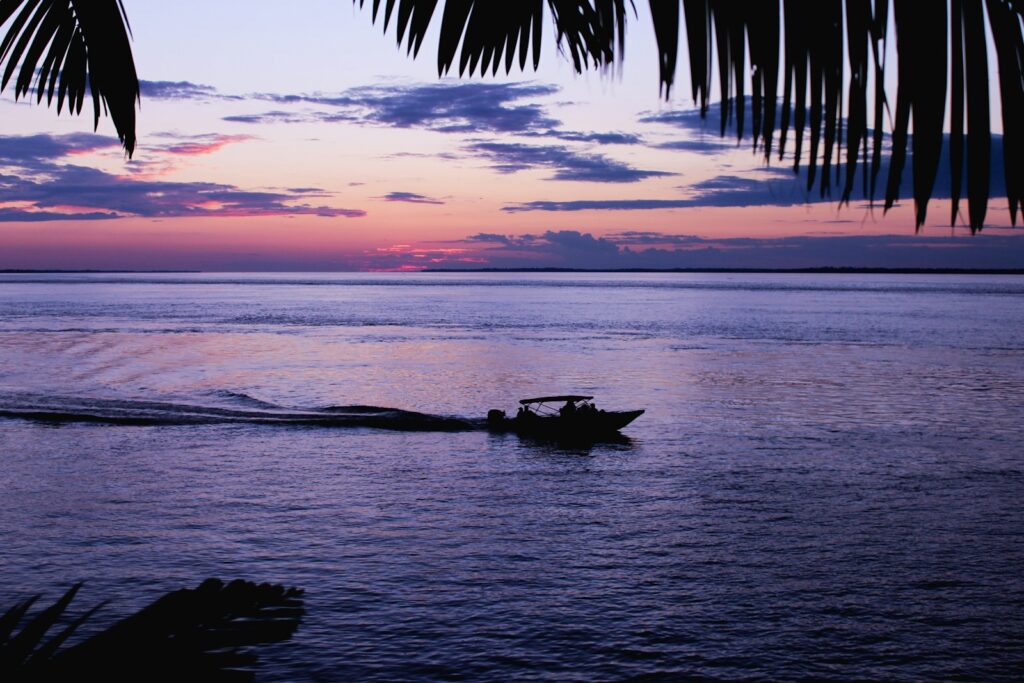
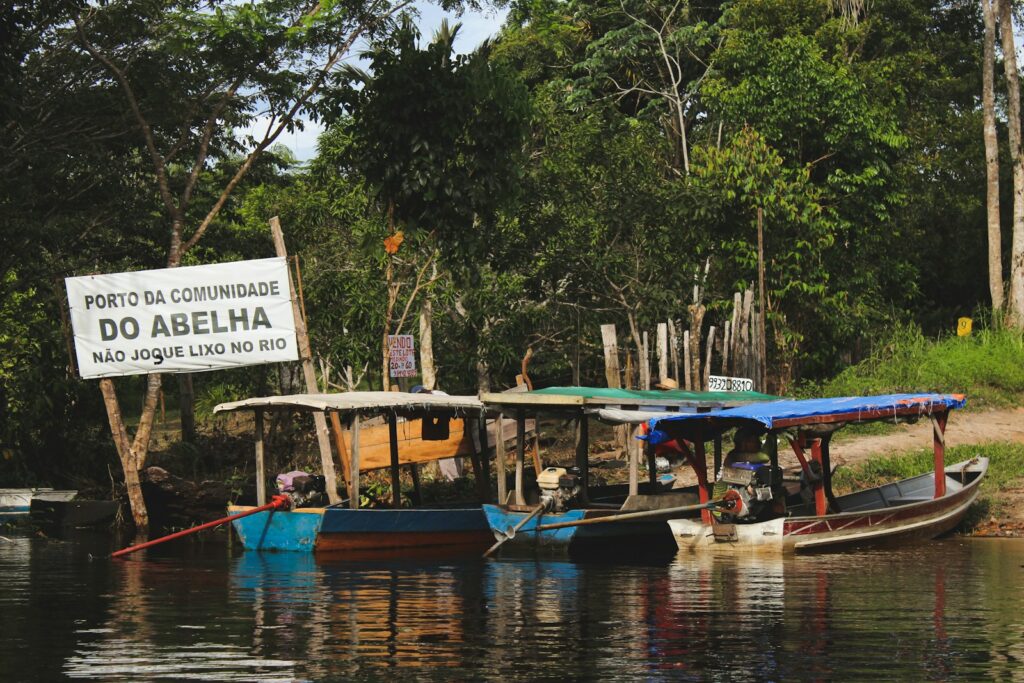
Parintins sits on Tupinambarana island in the Amazon River, in the far east of Amazonas state, roughly 370 km from Manaus. With around 96,000 residents at the 2022 census it is one of the most populous municipalities in Amazonas, but its fame comes from one event: the Festival Folclórico de Parintins, held on the last weekend of June since 1965. Over three nights the two rival boi-bumbá associations, the red Garantido and the blue Caprichoso, both founded in 1913, stage monumental shows of music, dance, giant allegorical floats and Amazonian and Indigenous themes in the Bumbódromo, judged item by item. The Boi-bumbá cultural complex of the middle Amazon was registered by IPHAN as Cultural Heritage of Brazil in 2018. The whole town takes sides, divided by an imaginary line between the territories of the two bois, and in the weeks before June the currais of Garantido and Caprichoso hold open rehearsals that visitors can attend. Traditional dishes such as grilled tambaqui, pirarucu and tacacá complete the experience. For agencies, Parintins is a high-impact cultural product for clients who want the Amazon at its most festive, and it pairs naturally with Manaus, a river cruise or a jungle lodge stay, as well as with Santarém and the lower Amazon for longer river itineraries. Outside June the town is quiet and the currais of both bois, the market, the cathedral and the riverside can be covered in a day or two. Logistics require honest planning: there is no road link, so access is by scheduled or extra flights from Manaus or by boat, from 6 to 10 hours by speedboat or 16 to 24 hours on a conventional riverboat depending on direction. During the festival visitor numbers are estimated at around 120,000, more than the local population, so flights, boats, beds and grandstand seats must be secured many months ahead, and programs should allow for heat, heavy rain and schedule changes.
Aeroporto Júlio Belém
Regional airport with a 1,800 m asphalt runway and scheduled flights to Manaus; extra flights are operated over the festival weekend.
Aeroporto Internacional de Manaus, Eduardo Gomes
Amazonas' main gateway and the usual connecting point for Parintins by air or by boat from the Manaus waterfront.
How Parintins came to be
Sourced milestones your team can use for guest briefings and storytelling, not filler copy.
Curiosities & practical notes
What's on the table
Tambaqui na brasa
Grilled tambaqui seasoned simply with coarse salt; the ribs are the most prized cut, served with rice, farofa and vinaigrette.
Pirarucu de casaca
Shredded pirarucu layered with cassava flour and coconut milk, topped with fried banana and potato straws.
Tacacá
A hot soup of tucupi, tapioca gum, jambu leaves and dried shrimp, served in gourds in the late afternoon.
Maniçoba
Cassava leaves cooked for about seven days and then simmered with pork and beef, often called the Amazonian feijoada.
Açaí
Eaten the Amazonian way, as a thick unsweetened cream alongside savoury dishes and cassava flour.
What there is to see
Marked where a site carries UNESCO World Heritage status directly, versus a locally or nationally protected landmark.
Bumbódromo (Centro Cultural Amazonino Mendes)
The arena built in 1988 for the Boi-bumbá presentations, open for visits outside the festival.
Catedral de Nossa Senhora do Carmo
A 42 metre cathedral begun in 1961 and inaugurated in 1981, focus of the patron saint's feast in July.
Curral Zeca Xibelão
Caprichoso's headquarters since 1981, with a large stage and a museum of photographs and memorabilia.
Cidade Garantido
Garantido's complex on the Estrada Odovaldo Novo, with a large stage, a trophy room and river views.
Mercado Municipal
A riverside market opened in 1937 and reopened in 2019, for regional food, snacks and handicrafts.
Praça Digital (Praça Cristo Redentor)
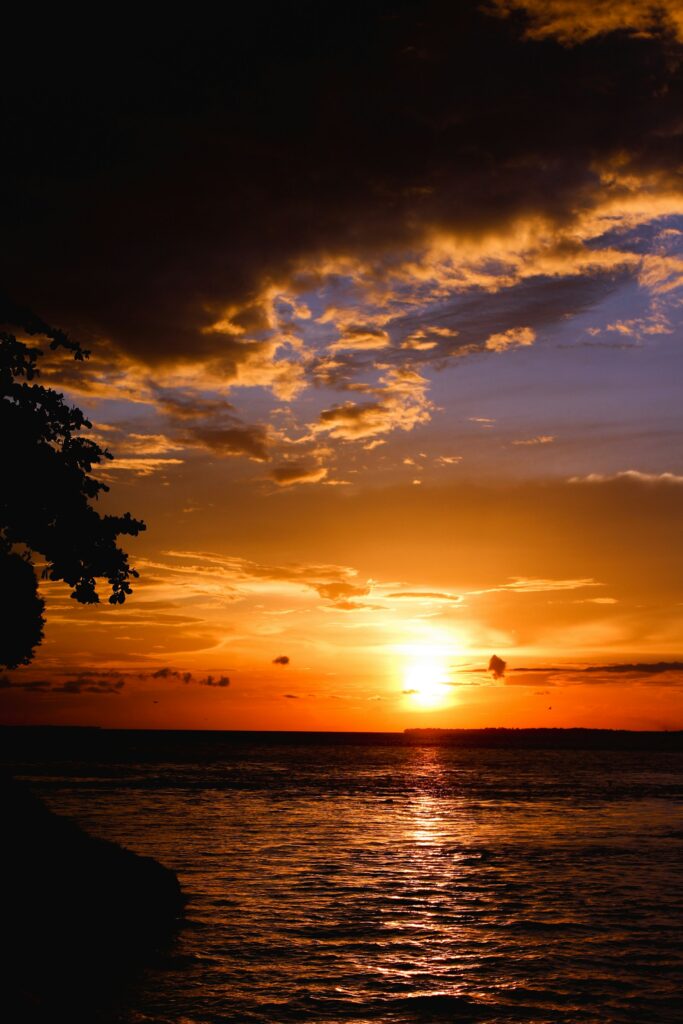
A riverside square with an amphitheatre and pier, popular at sunset.
Lago do Macurany
A lake close to town with bathing areas such as the Píer dos Breves, for swimming and hammocks.
Vila Amazônia
A historic riverside community about 20 minutes by boat, tied to Japanese immigration and the jute cycle.
What else we brief agencies on
This is what we prepare for every RFP, whether or not it's published on this page yet:
On request for every proposal
- Best season / weather windows and blackout dates for groups & MICE
- Permit and quota logistics for regulated attractions, lead time and group-size caps
- Accessibility notes and physical-difficulty ratings per activity
- Vetted ground partners, guides and transport already used on past programs
- Sustainability / certification credentials relevant to client RFPs, where they genuinely exist
- Real, checked room and vehicle availability for your travel dates, not a generic quote
