
Ilha de Marajó
All of Brazil, within reach.

A red field crossed diagonally by a white band bearing a blue star. The band evokes the zodiac, the equator and the Amazon River, the star corresponds to Spica, which represents Pará on the national flag, and the red recalls the blood and dedication of Pará's people.
Ilha de Marajó in pictures
About Ilha de Marajó
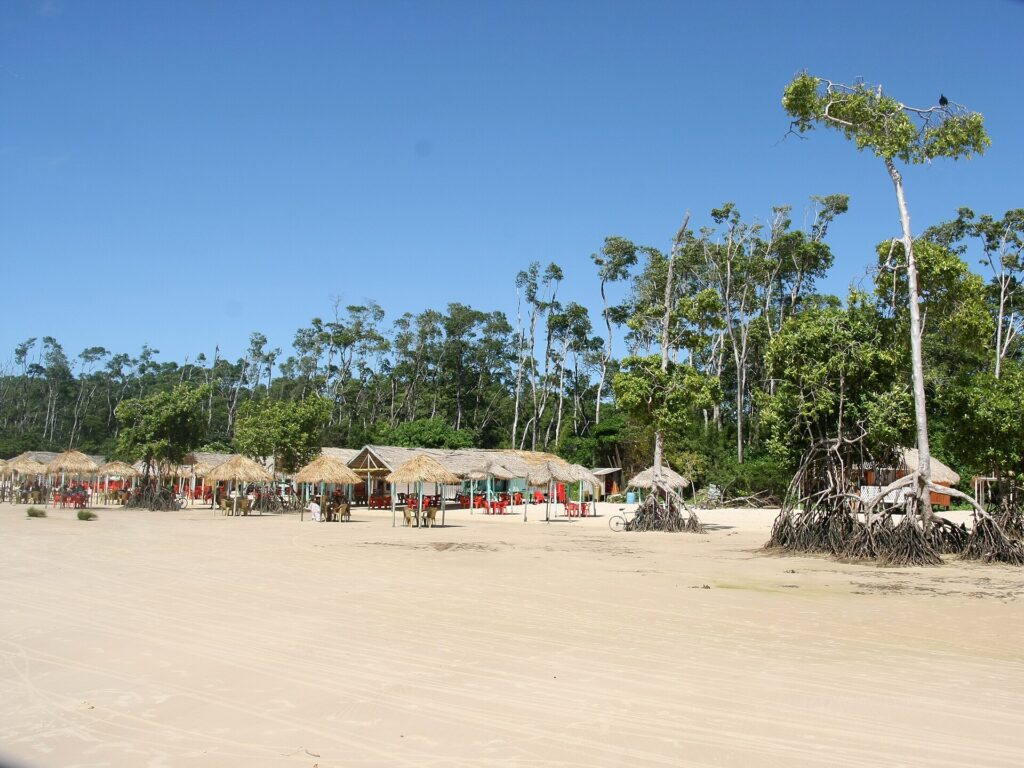
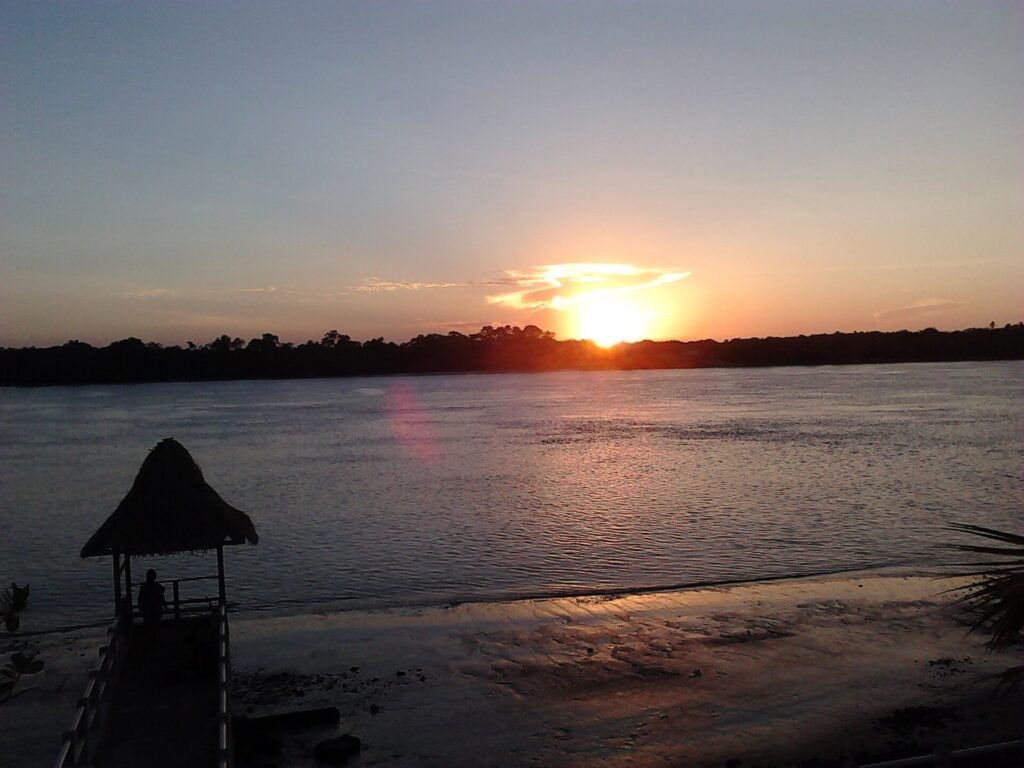
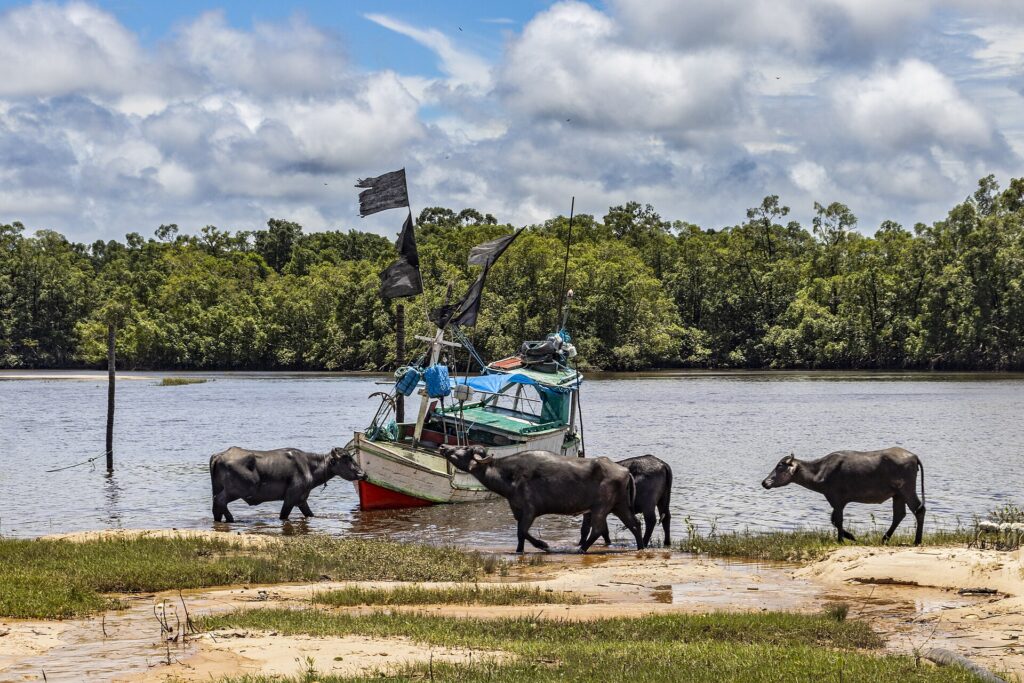
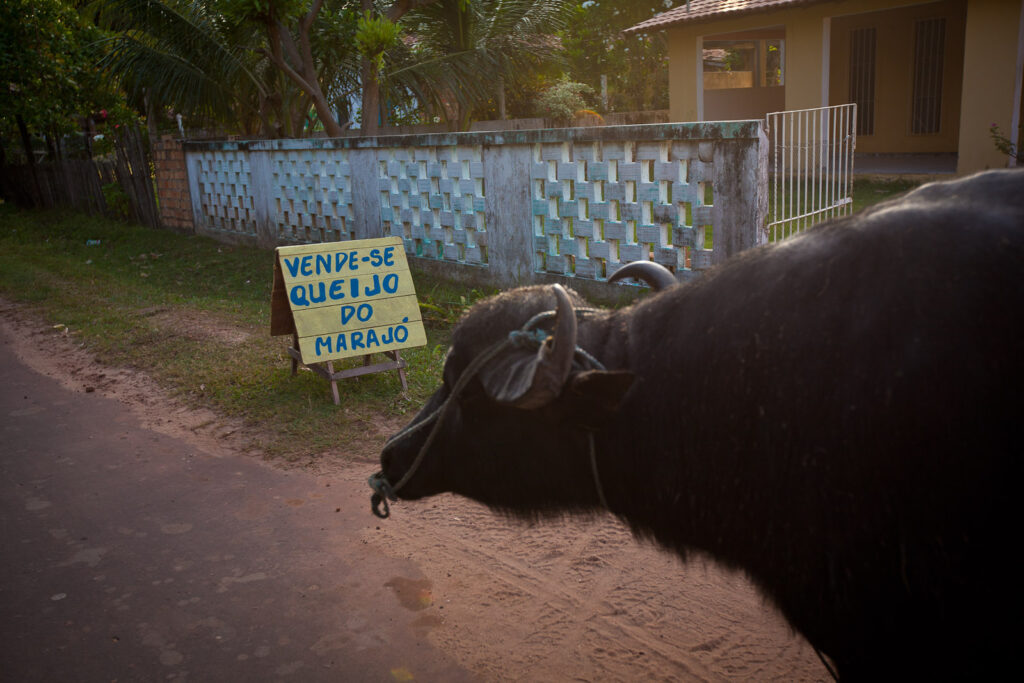
Ilha de Marajó, at the mouth of the Amazon across the bay from Belém, covers about 40,100 square kilometres and is described as the largest fluvial-maritime island in the world. It lies within an archipelago of 16 municipalities protected since 1989 as an environmental protection area. Long before the Portuguese, the island was home to the Marajoara culture, whose mound-building societies produced elaborately painted ceramics, including burial urns, over several centuries before European contact. Today its identity rests on water buffalo, introduced in the late 19th century and now central to the local economy, cheese and cuisine. Visitors concentrate on the eastern side, in Soure and Salvaterra: ranches where guests ride or swim with buffalo, beaches such as Pesqueiro and Praia Grande, the ruins of an early mission church at Joanes, and workshops reproducing Marajoara motifs. In Soure the Military Police even patrol on buffalo, and the island's raw buffalo-milk cheese holds a Geographical Indication. For agencies, Marajó works as a two to four night extension from Belém for clients interested in rural Amazon life, gastronomy, crafts and birdlife, rather than classic beach resorts. Access is by water: passenger boats from Belém take roughly three hours to Porto Camará in Salvaterra, followed by a road transfer, while vehicle ferries leave from Icoaraci. Schedules change and should be confirmed close to travel. The rainy season, from January to June, floods the fields and makes some roads hard going; July to December is drier, with easier beach and ranch access. A typical program combines a ranch visit with buffalo encounters, an afternoon at Praia do Pesqueiro, a ceramics workshop and a filé marajoara dinner; clients with a strong interest in archaeology can add the Museu do Marajó in Cachoeira do Arari as a separate day.
Aeroporto Internacional de Belém, Val-de-Cans/Júlio Cezar Ribeiro
Pará's main gateway and a hub for the eastern Amazon, operated by Norte da Amazônia Airports (NOA), with domestic flights to Brazil's main hubs and a small number of international routes.
How Ilha de Marajó came to be
Sourced milestones your team can use for guest briefings and storytelling, not filler copy.
Curiosities & practical notes
What's on the table
Filé marajoara
A buffalo steak topped with melted Marajó buffalo cheese, the island's signature plate.
Queijo do Marajó
A soft, creamy raw buffalo-milk cheese with a slight acidity, protected by a Geographical Indication since 2021.
Frito do vaqueiro
The cowboys' dish of small pieces of meat fried slowly in their own fat over two days.
Turu
A mollusc taken from mangrove wood, served on the island as a ceviche.
Caldinho de tucupi
A small broth of tucupi with jambu, the Pará flavours found on the island's tables.
What there is to see
Marked where a site carries UNESCO World Heritage status directly, versus a locally or nationally protected landmark.
Soure
The main tourist town, with buffalo patrols, craft workshops and access to the beaches and ranches.
Praia do Pesqueiro
A beach about 8 km from Soure with dunes, coconut palms and simple beach restaurants.
Fazenda São Jerônimo
A working ranch near Soure offering trails, canoe trips on an igarapé, beach access and buffalo encounters.
Salvaterra and Praia Grande
The municipality facing Soure across the Paracauari River, home to Porto Camará and to Praia Grande among other beaches.
Ruínas de Joanes
Remains of an early mission church, stone wells and fish corrals in the village of Joanes, Salvaterra.
Museu do Marajó
Founded in 1972 by Giovanni Gallo in Cachoeira do Arari, with collections on Marajoara ceramics and island life.
Soure Marine Extractive Reserve
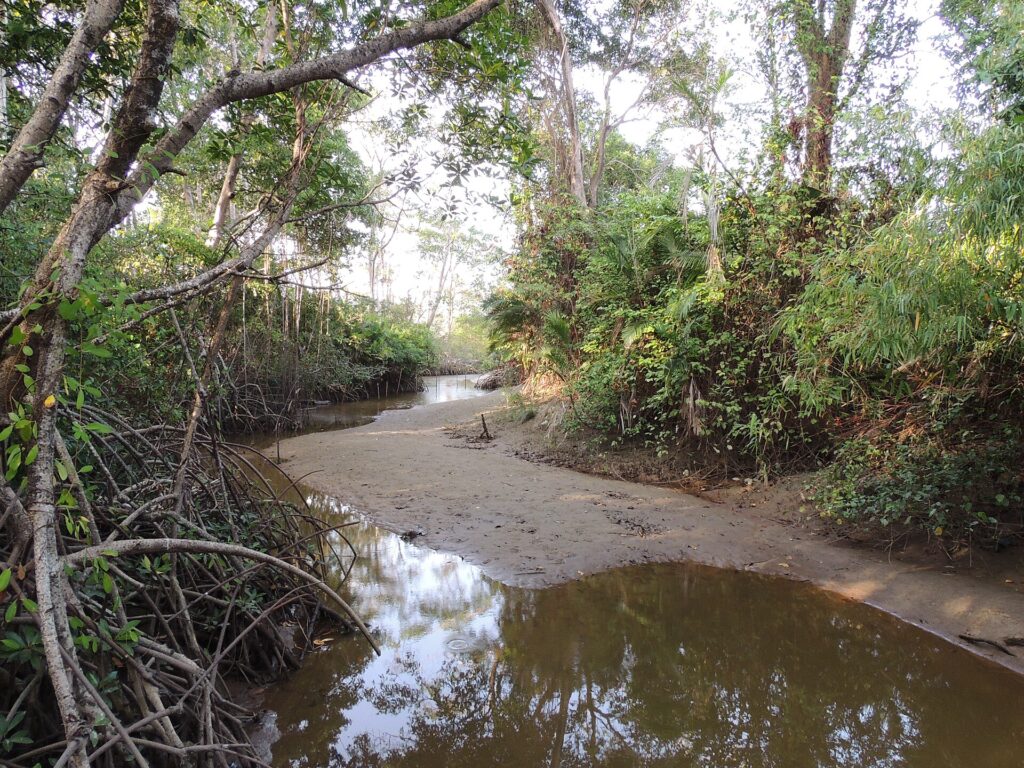
A 27,464 hectare protected coastal area of mangroves and beaches used by traditional fishing communities.
What else we brief agencies on
This is what we prepare for every RFP, whether or not it's published on this page yet:
On request for every proposal
- Best season / weather windows and blackout dates for groups & MICE
- Permit and quota logistics for regulated attractions, lead time and group-size caps
- Accessibility notes and physical-difficulty ratings per activity
- Vetted ground partners, guides and transport already used on past programs
- Sustainability / certification credentials relevant to client RFPs, where they genuinely exist
- Real, checked room and vehicle availability for your travel dates, not a generic quote
