
Goiás
Cerrado plateaus, two UNESCO sites and colonial gold towns in Brazil's heartland, easily paired with Brasília for FIT, groups and special-interest programs.

The state
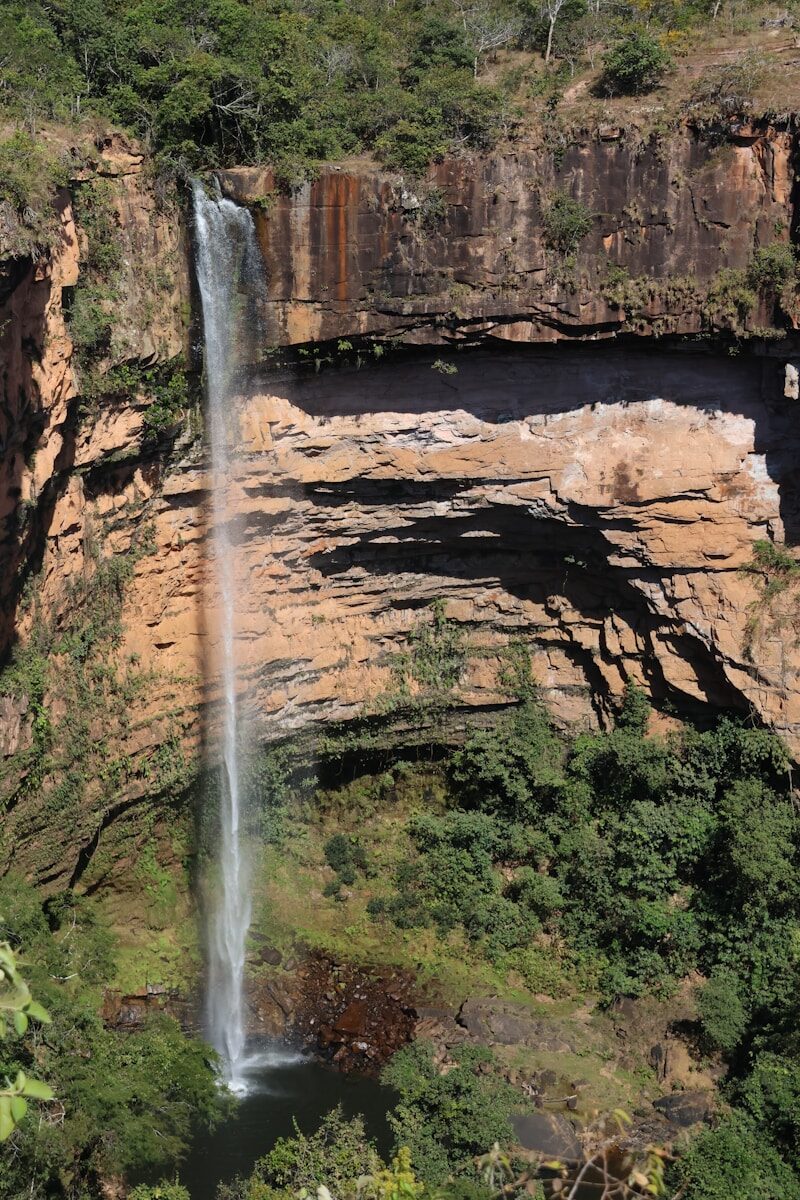
Goiás occupies the high plateau of central Brazil, a landscape of Cerrado savanna, quartzite canyons and gallery forests that feed rivers flowing to both the Amazon and the Pantanal. Its story begins with the eighteenth-century gold rush led by bandeirantes from São Paulo, which left baroque mining towns such as the Town of Goiás, a UNESCO site, and Pirenópolis. The twentieth century added a planned Art Deco capital, Goiânia, and the Federal District, carved from Goiás territory for Brasília. The result is a destination that combines Cerrado nature, living Catholic traditions and a strong rural culture of cattle ranching, sertanejo music and pequi-scented cooking.
For agencies, Goiás works well for nature and soft-adventure FIT programs in Chapada dos Veadeiros, cultural short breaks in Pirenópolis and the Town of Goiás, and group or wellness stays in the thermal resorts of Caldas Novas and Rio Quente. Goiânia offers convention infrastructure for MICE. Logistics note: Chapada dos Veadeiros and Pirenópolis are usually reached by road from Brasília's international airport rather than from Goiânia, and distances between highlights are long, so programs are best built as regional circuits with private transfers. The dry season suits trekking, while the rains bring fuller waterfalls.
The climate is tropical with a marked dry season, roughly May to September, ideal for trekking and clear skies, and a rainy season from about October to April, when waterfalls are at their fullest but some trails can close after heavy storms.
Destinations 2
Destinations in this state covered by YourBrasil ground services.
Chapada dos Veadeiros
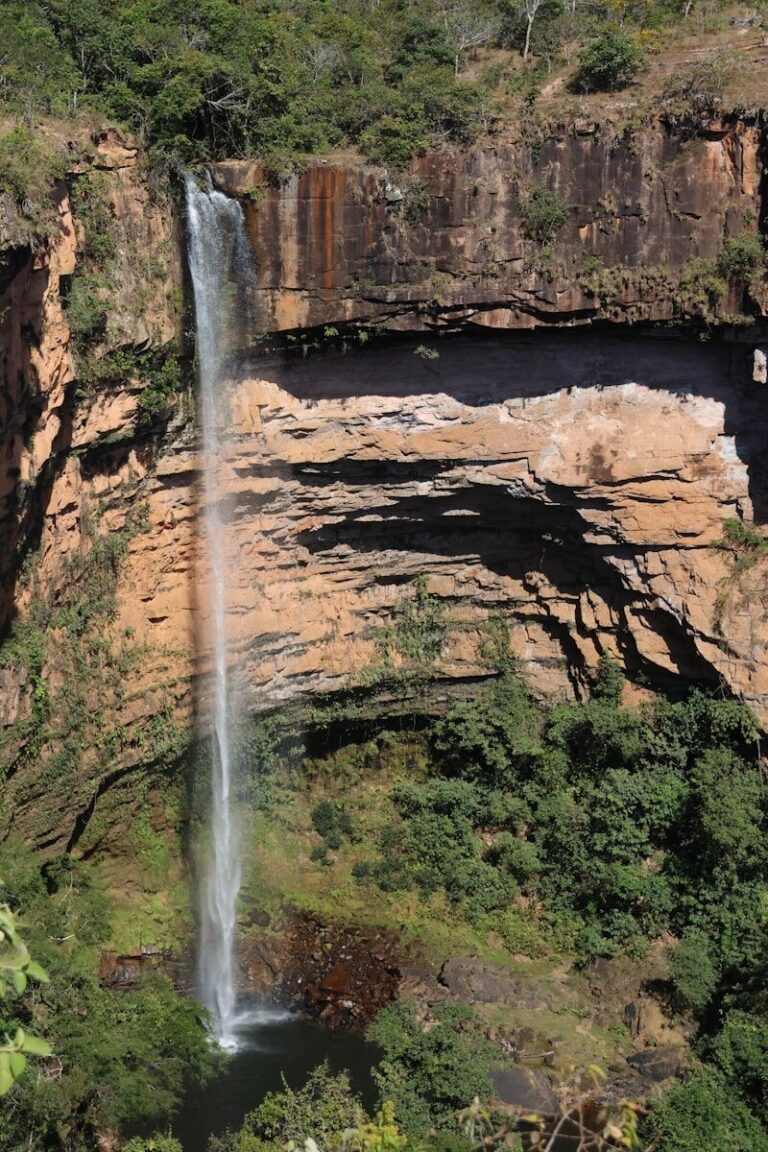
Chapada dos Veadeiros is a high plateau of ancient Cerrado savanna in northeastern Goiás, roughly 235 km north of Brasília, built around one of…
Explore →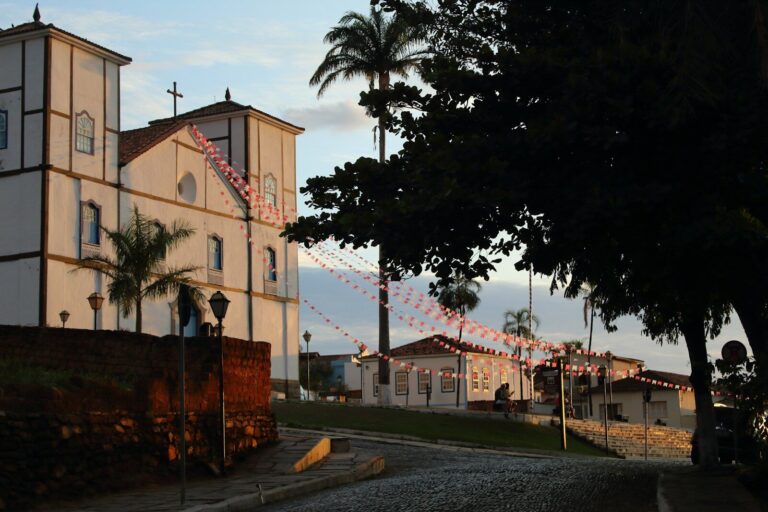
Pirenópolis
Pirenópolis is a preserved 18th-century gold-mining town in the highlands of Goiás, roughly two hours by paved road from Brasília, close enough for a…
Explore →Timeline
- 1722
Bandeirantes led by Bartolomeu Bueno da Silva, the Anhanguera, set out from São Paulo to explore the region for gold.
- 1727
Following rich gold finds, Vila Boa (today the Town of Goiás) and Meia Ponte (today Pirenópolis) are established.
- 1744
The Captaincy of Goiás is created, separated from São Paulo, and formally installed in 1749.
- 1937
The state government moves from the old colonial capital to the newly planned city of Goiânia, officially inaugurated in 1942.
- 1960
Brasília is inaugurated in the Federal District, an area detached from Goiás territory.
- 1988
The northern part of the state is separated to create the new state of Tocantins.
- 2001
UNESCO inscribes both the Historic Centre of the Town of Goiás and the Cerrado Protected Areas of Chapada dos Veadeiros and Emas National Parks.
Landmarks
Historic Centre of the Town of Goiás UNESCO
An eighteenth-century mining town with an organic street plan and modest civil and religious architecture.
Chapada dos Veadeiros National Park UNESCO
High Cerrado plateau with canyons, quartzite formations and waterfalls around Alto Paraíso and São Jorge.
Emas National Park UNESCO
Vast open Cerrado grasslands in southwestern Goiás, protecting rheas, maned wolves and giant anteaters.
Pirenópolis
Colonial gold town founded in 1727, with cobbled streets, a strong festive calendar and waterfalls in the surrounding hills.
Goiânia Art Deco ensemble
The protected core of the 1930s planned capital, with public buildings and squares in Art Deco style.
Caldas Novas and Rio Quente
Thermal spring resorts in southern Goiás, popular for family, group and wellness stays.
Basilica of the Divino Pai Eterno, Trindade
Pilgrimage centre near Goiânia and focus of one of Brazil's largest religious gatherings.
Festivals and events
Festa do Divino Espírito Santo, Pirenópolis
Held around Pentecost, usually May or June, with the Cavalhadas horseback re-enactment of battles between Moors and Christians; registered as Brazilian cultural heritage by IPHAN in 2010.
Procissão do Fogaréu, Town of Goiás
A torch-lit Holy Week procession of hooded farricocos at midnight into Holy Thursday, in March or April.
Romaria do Divino Pai Eterno, Trindade
A pilgrimage from late June to early July that draws millions of devotees, including a traditional parade of ox-cart drivers and horsemen.
1 ibge.gov.br2 en.wikipedia.org3 pt.wikipedia.org4 pt.wikipedia.org5 whc.unesco.org6 whc.unesco.org7 en.wikipedia.org8 en.wikipedia.org9 bcr.iphan.gov.br10 pt.wikipedia.org11 cnnbrasil.com.br12 gov.br13 goias.gov.br14 goiasturismo.go.gov.br15 guiagoiano.com.br16 guia.melhoresdestinos.com.br
← All destinations