
Pará
The Amazon's eastern gateway: Belém's food and heritage, Marajó island at the river mouth and the white-sand beaches of Alter do Chão on the Tapajós.

The state
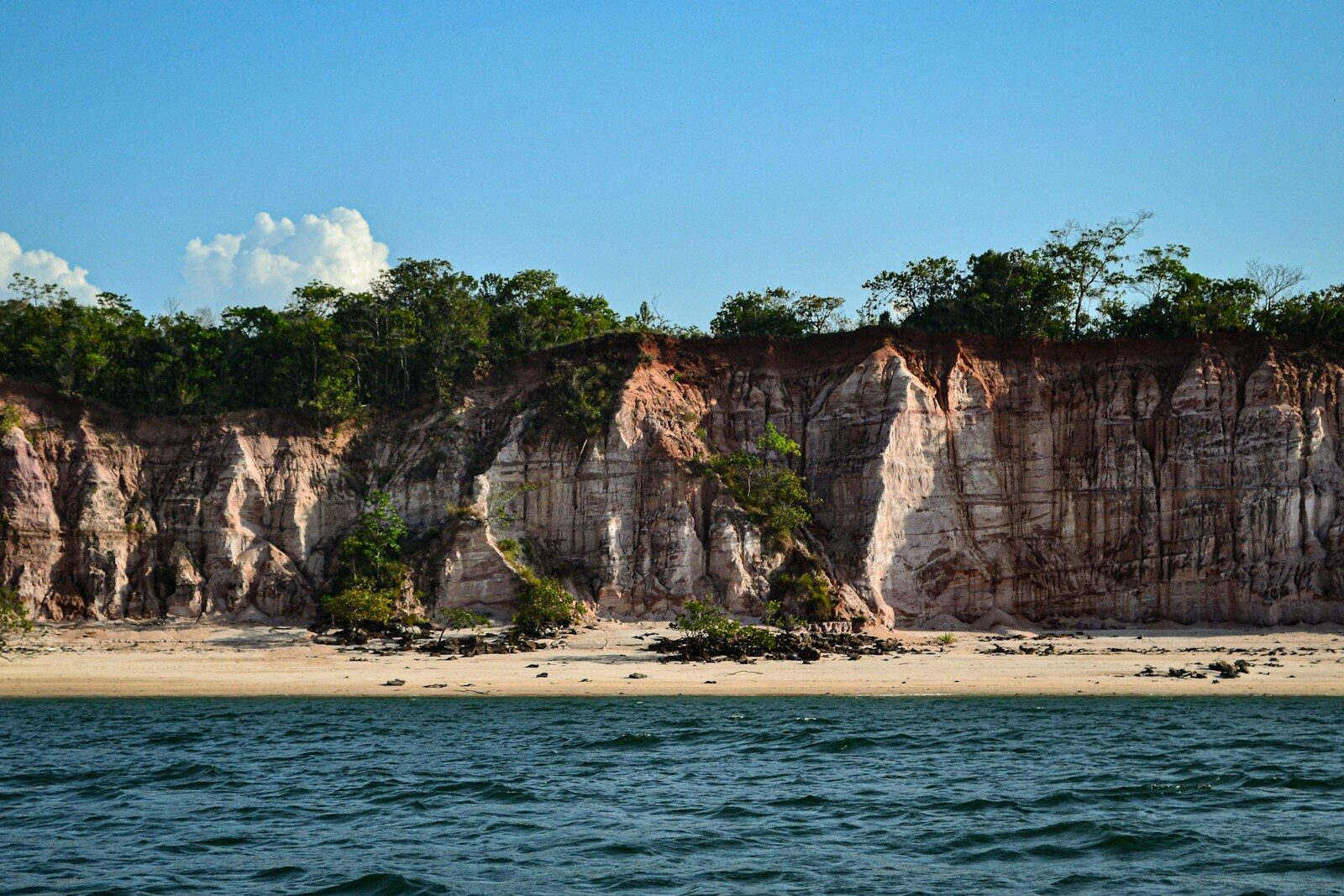
Pará spans the eastern Amazon, from the river's vast mouth and Marajó island to the clear waters of the Tapajós and the mineral-rich Carajás region. Belém, founded by the Portuguese in 1616, was long the commercial and administrative heart of the Amazon, and its rubber-era buildings, the Theatro da Paz and the Ver-o-Peso market reflect that past. The state has one of Brazil's most distinctive food cultures, built on tucupi, jambu, cassava and açaí, which led UNESCO to name Belém a Creative City of Gastronomy in 2015, while the Círio de Nazaré each October is among the largest religious gatherings in the world.
For agencies, Pará offers depth in culture and gastronomy in Belém, river islands and buffalo ranches on Marajó, and freshwater beaches, forest communities and the Tapajós National Forest around Santarém and Alter do Chão. Belém has hosted major international events, including the COP30 climate conference in 2025, and suits MICE groups alongside FIT and special-interest programs. Distances are considerable: Belém and Santarém are best connected by air, Marajó is reached by ferry or fast boat from Belém, and beach programs on the Tapajós depend on seasonal water levels.
In Belém the drier season runs roughly from June to November, while December to May is wetter, though short tropical showers occur year round. On the Tapajós, the river beaches of Alter do Chão emerge mainly between August and December, when the water is low.
Destinations 3
Destinations in this state covered by YourBrasil ground services.
Alter do Chão
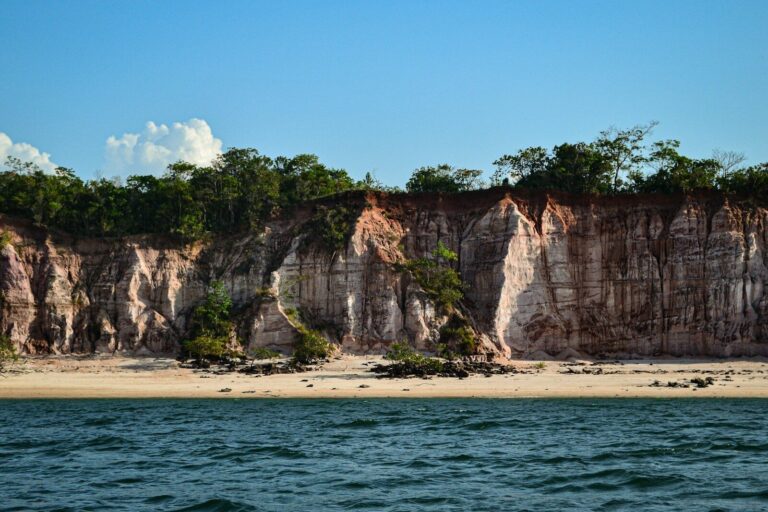
Alter do Chão is a riverside village on the Tapajós River, part of the municipality of Santarém in the heart of Pará state, the…
Explore →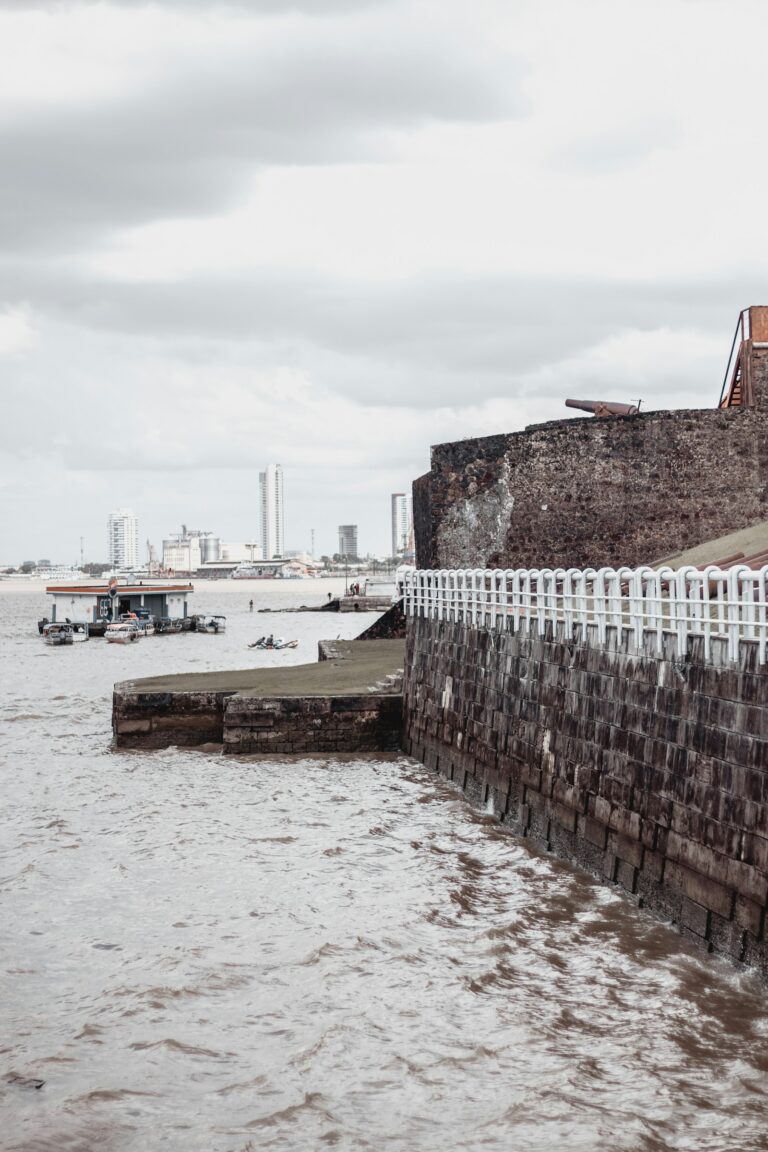
Belém
Belém, capital of Pará, stands on Guajará Bay near the mouth of the Amazon system and is the historic gateway to the region. It…
Explore →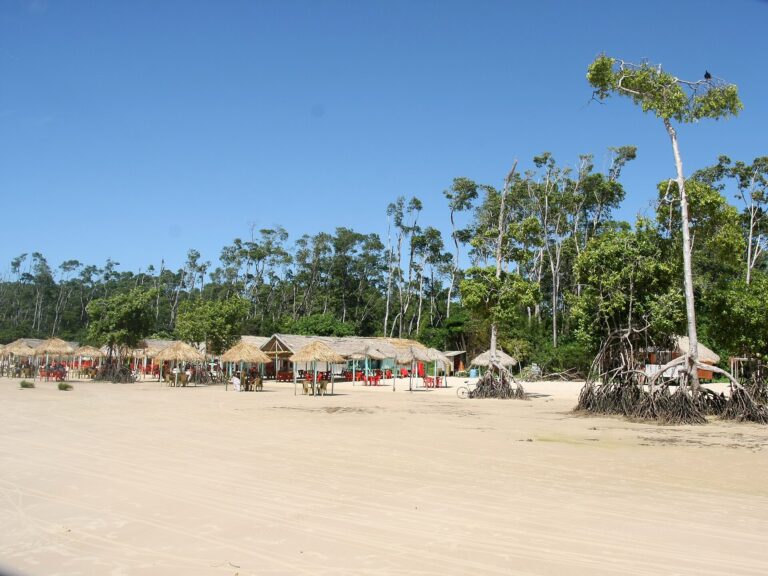
Ilha de Marajó
Ilha de Marajó, at the mouth of the Amazon across the bay from Belém, covers about 40,100 square kilometres and is described as the…
Explore →Timeline
- 400 BC-1600 AD
The Marajoara culture flourishes on Marajó island, known today for its elaborate ceramics.
- 1616
The Portuguese build the Forte do Presépio, founding the city of Belém.
- 1625
A tax inspection post, the Casa de Haver o Peso, is set up on the Belém waterfront, origin of the Ver-o-Peso market.
- 1793
The first Círio de Nazaré procession is held in Belém.
- 1823
On 15 August, Pará adheres to Brazilian independence, a date still celebrated as a state holiday.
- 1835-1840
The Cabanagem, a popular uprising against poverty and political exclusion, devastates the province.
- 1878
The Theatro da Paz opens in Belém during the rubber era.
- 2025
Belém hosts the United Nations COP30 climate conference in November.
Landmarks
Ver-o-Peso
Belém's historic waterfront market complex, listed by IPHAN in 1977, with fish, herbs and Amazon produce.
Theatro da Paz
Neoclassical theater opened in 1878, a symbol of Belém's rubber-era prosperity.
Estação das Docas
Restored riverside warehouses in Belém housing restaurants, shops and event spaces.
Forte do Presépio
The 1616 fort where Belém was founded, overlooking Guajará Bay.
Ilha de Marajó
Vast island at the Amazon mouth with buffalo ranches, beaches and Marajoara heritage, reached by ferry to Soure and Salvaterra.
Alter do Chão
Village on the Tapajós with white-sand river beaches such as Ilha do Amor, about 37 km from Santarém.
Tapajós National Forest
Federal protected forest created in 1974 along the Tapajós, with traditional communities and dense rainforest.
Festivals and events
Círio de Nazaré
Belém's great procession in honor of Our Lady of Nazareth on the second Sunday of October, within a fortnight of religious and cultural events.
Festa do Çairé
Alter do Chão's traditional festival, usually in September, combining religious rites with the contest between the Tucuxi and Cor-de-Rosa dolphin groups.
1 en.wikipedia.org2 pt.wikipedia.org3 ibge.gov.br4 educa.ibge.gov.br5 en.wikipedia.org6 en.wikipedia.org7 pt.wikipedia.org8 en.wikipedia.org9 brasil.un.org10 en.wikipedia.org11 en.wikipedia.org12 en.wikipedia.org13 en.wikipedia.org14 en.wikipedia.org15 alepa.pa.gov.br16 agenciapara.com.br17 360meridianos.com18 revistaoeste.com19 santarem.pa.gov.br20 en.wikipedia.org21 oliberal.com
← All destinations