
Belém
All of Brazil, within reach.

A red field crossed diagonally by a white band bearing a blue star. The band evokes the zodiac, the equator and the Amazon River, the star corresponds to Spica, which represents Pará on the national flag, and the red recalls the blood and dedication of Pará's people.
Belém in pictures
About Belém
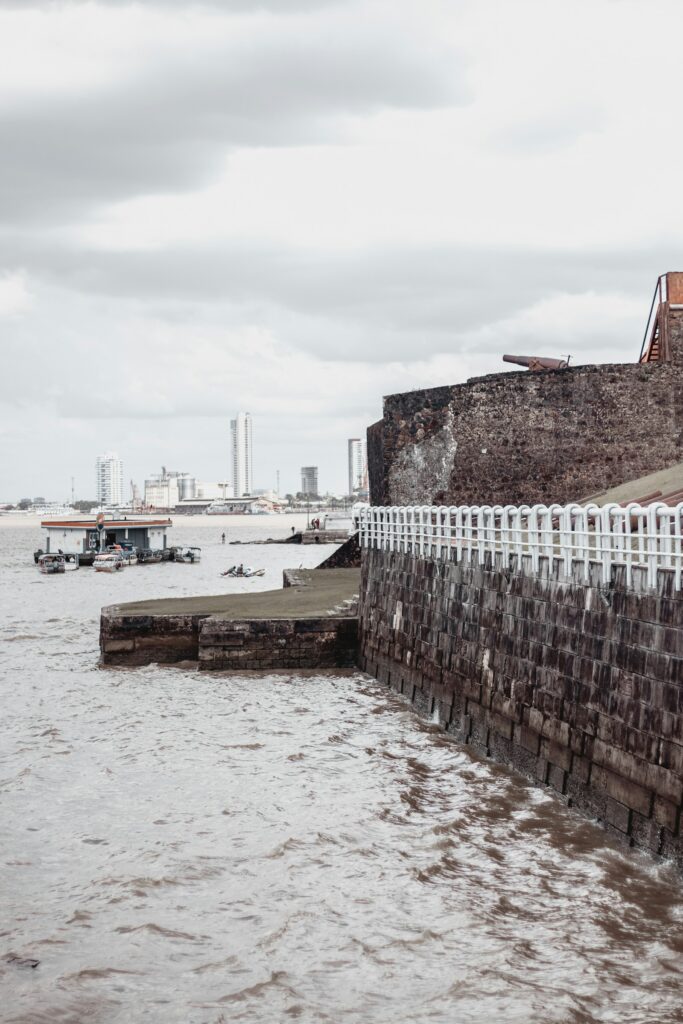
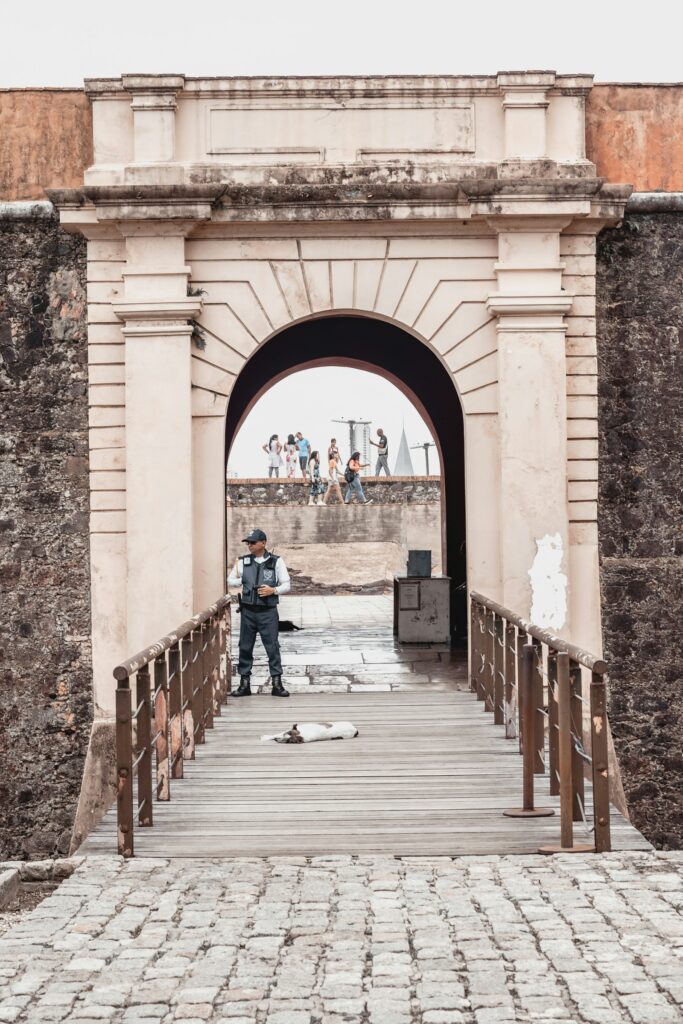
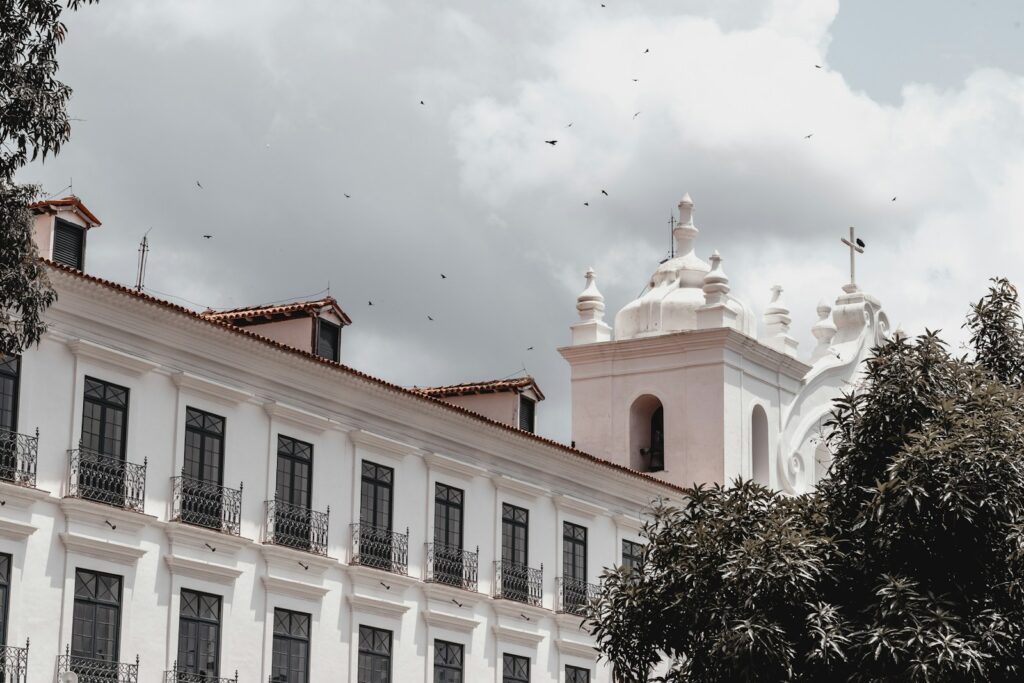
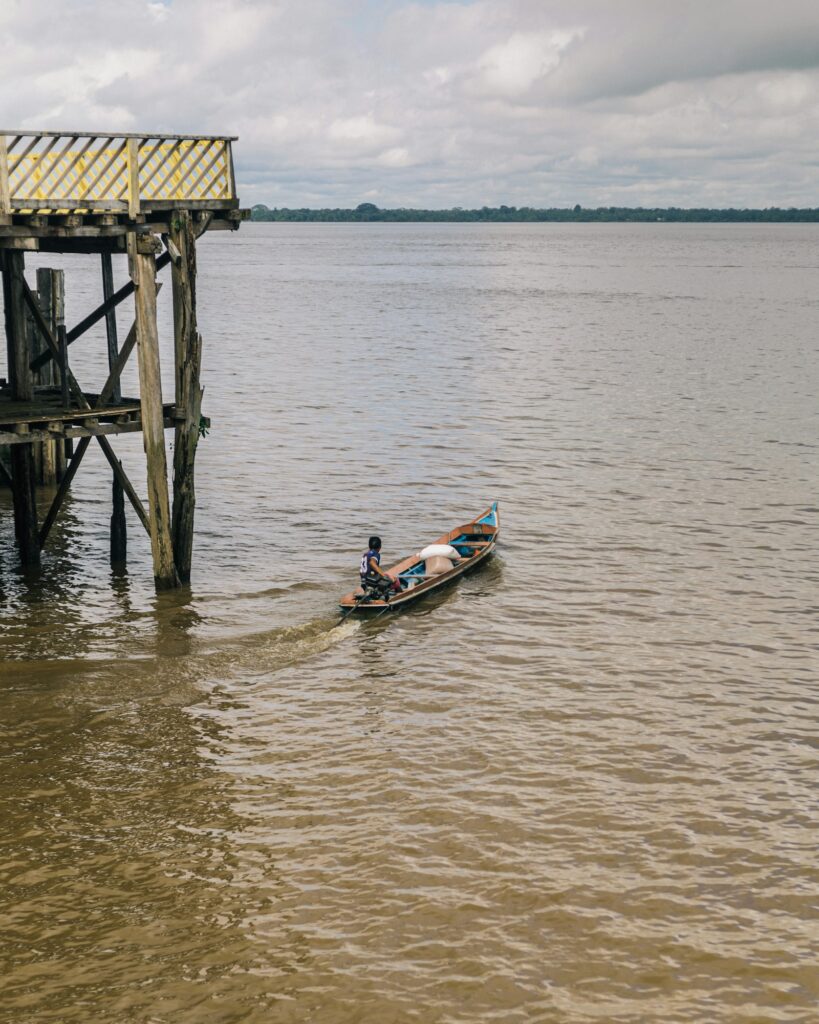
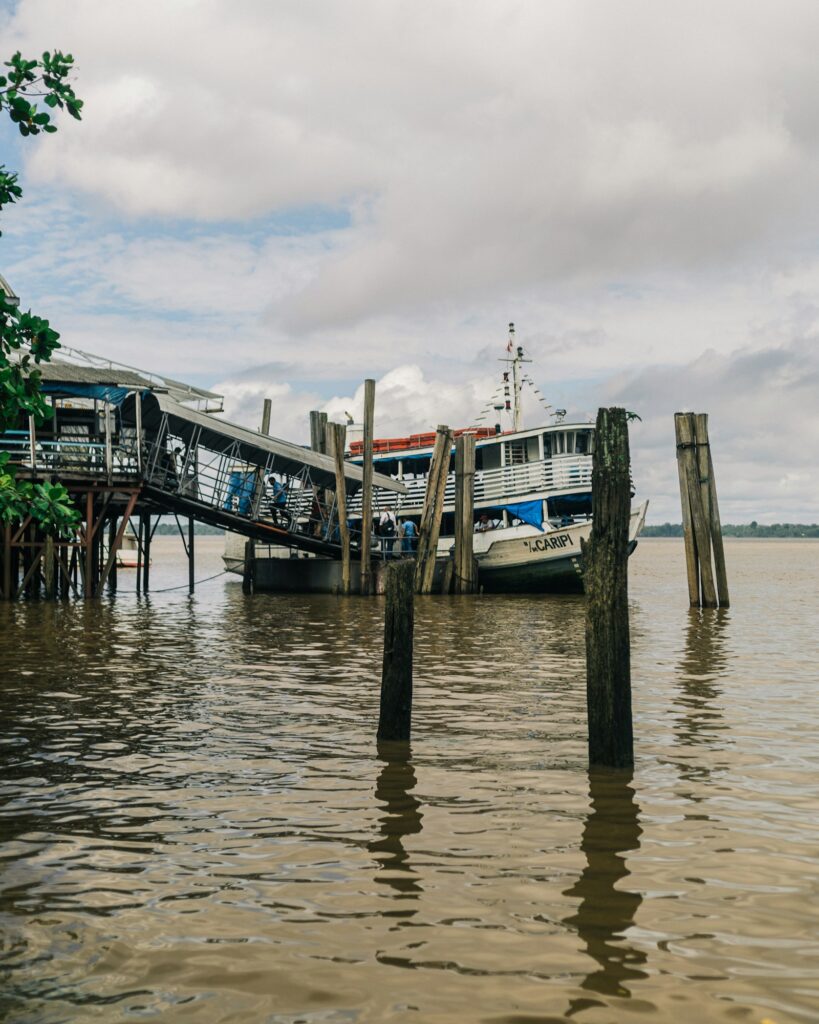
Belém, capital of Pará, stands on Guajará Bay near the mouth of the Amazon system and is the historic gateway to the region. It was founded on 12 January 1616 around the wooden Forte do Presépio, today the Forte do Castelo, and grew rich as the export port of the rubber era, which left the neoclassical Theatro da Paz, iron market halls and the mango-tree avenues that earned it the name 'city of mango trees'. Its riverfront is anchored by Ver-o-Peso, a 35,000 square metre market complex listed by IPHAN in 1977, and by Estação das Docas, early 20th-century port warehouses converted into a dining and cultural venue. The Círio de Nazaré, held every October since 1793 and recognised by UNESCO as Intangible Cultural Heritage in 2013, draws around two million people. Belém joined the UNESCO Creative Cities Network for gastronomy in 2015 and hosted COP30 in November 2025. The Feliz Lusitânia complex preserves the colonial core of Cidade Velha, while the riverside Mangal das Garças park offers a gentle introduction to Amazon flora and birds. For agencies, Belém suits food-led and cultural city programs, special-interest trips around the Círio, and short Amazon river experiences on the islands across the bay, as well as a base for Ilha de Marajó and connections to Macapá and Santarém. Groups should plan with the climate in mind: there is no true dry month, rain is heaviest from December to May, and afternoon showers are routine year-round. Círio weekend in October books out well in advance, and the historic centre is best visited in the morning with a local guide. For food-focused groups, an early visit to Ver-o-Peso followed by tastings of tacacá, pato no tucupi, maniçoba and açaí is the strongest hook, and pairs naturally with dinner at Estação das Docas.
Aeroporto Internacional de Belém, Val-de-Cans/Júlio Cezar Ribeiro
Pará's main gateway and a hub for the eastern Amazon, operated by Norte da Amazônia Airports (NOA), with domestic flights to Brazil's main hubs and a small number of international routes.
How Belém came to be
Sourced milestones your team can use for guest briefings and storytelling, not filler copy.
Curiosities & practical notes
What's on the table
Pato no tucupi
Duck cooked in tucupi, the yellow broth extracted from wild cassava, with jambu leaves, the emblematic dish of Círio Sunday.
Maniçoba
Ground cassava leaves cooked for at least four days and finished with salted and smoked meats, a Pará festival dish.
Tacacá
A hot, thin broth of tucupi with tapioca gum, dried shrimp and jambu, whose leaves make the lips tingle.
Açaí
Served the Pará way as a thick, unsweetened pulp, eaten with fried fish or cassava flour rather than as a sweet bowl.
Vatapá paraense
The Pará version of vatapá, made without fish, peanuts or cashew nuts.
Caruru
An okra stew with dried shrimp, green herbs and palm oil.
What there is to see
Marked where a site carries UNESCO World Heritage status directly, versus a locally or nationally protected landmark.
Ver-o-Peso
The riverfront market complex of fish, fruit, herbs and crafts, with its 1901 iron market hall, listed by IPHAN in 1977.
Estação das Docas
Three restored port warehouses on Guajará Bay, opened in 2000 with restaurants, a cinema, a theatre, exhibitions and river views.
Theatro da Paz
A neoclassical theatre of the rubber era, inaugurated in 1878 and still in use as a performance venue.
Forte do Castelo and Feliz Lusitânia
The 1616 founding fort and the surrounding colonial nucleus of Cidade Velha, with the Museu do Encontro.
Basílica Santuário de Nossa Senhora de Nazaré
The sanctuary that is the destination of the Círio procession and the focus of Belém's October festivities.
Mangal das Garças
A 40,000 square metre riverside park opened in 2005 on the Guamá River, with a 47 metre lookout tower, aviaries and a butterfly house.
What else we brief agencies on
This is what we prepare for every RFP, whether or not it's published on this page yet:
On request for every proposal
- Best season / weather windows and blackout dates for groups & MICE
- Permit and quota logistics for regulated attractions, lead time and group-size caps
- Accessibility notes and physical-difficulty ratings per activity
- Vetted ground partners, guides and transport already used on past programs
- Sustainability / certification credentials relevant to client RFPs, where they genuinely exist
- Real, checked room and vehicle availability for your travel dates, not a generic quote
