
Paraíba
The easternmost point of the Americas, a calm reef coast and one of Brazil's oldest capitals, plus fossil trails and a vast São João inland. Suited to relaxed FIT.

The state
Paraíba is a small state with a long history. Its capital, João Pessoa, founded in 1585, is among the oldest in Brazil and keeps a compact colonial centre of Franciscan, Carmelite and Benedictine churches, while its modern seafront is green, low-rise and calm, with reef pools such as Picãozinho offshore. Ponta do Seixas, at the city's southern edge, is the easternmost point of the mainland Americas. South of the capital, the coast around Conde offers quieter beaches. Inland, the state rises through the cooler brejo highlands around Areia to the semi-arid sertão, where Sousa's Valley of the Dinosaurs preserves fossil footprints and the Ingá Stone holds some of Brazil's best known petroglyphs.
For agencies, Paraíba suits FIT and couples looking for an unhurried urban beach base, short cultural programmes and combinations with neighbouring Pernambuco and Rio Grande do Norte. In June, Campina Grande's São João is a major event opportunity for groups. João Pessoa's airport handles domestic flights, and Recife's larger international hub is a practical alternative for long-haul arrivals. On the coast most rain falls from April to June, and the drier months from September to March suit beach stays.
On the coast most rain falls between April and June, while the interior's rains are concentrated in March and April. September to March is the drier, sunnier window for beach programmes; June is the time for São João.
Destinations 2
Destinations in this state covered by YourBrasil ground services.
Campina Grande
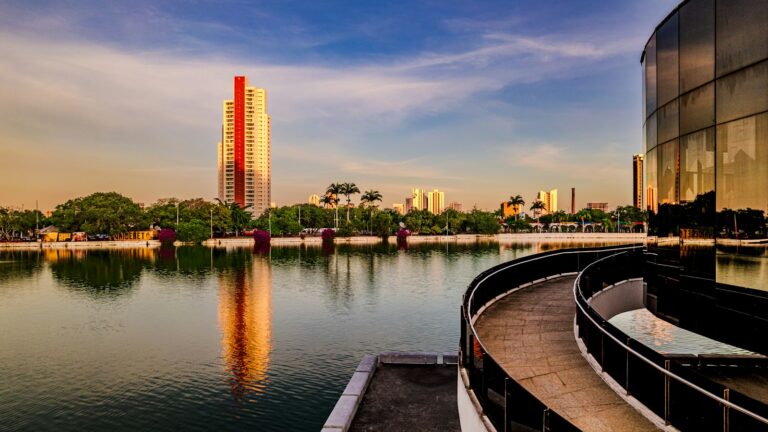
Campina Grande, Paraíba's second city with over 400,000 inhabitants, sits at 560 metres on the Borborema plateau, about 125 km inland from João Pessoa.…
Explore →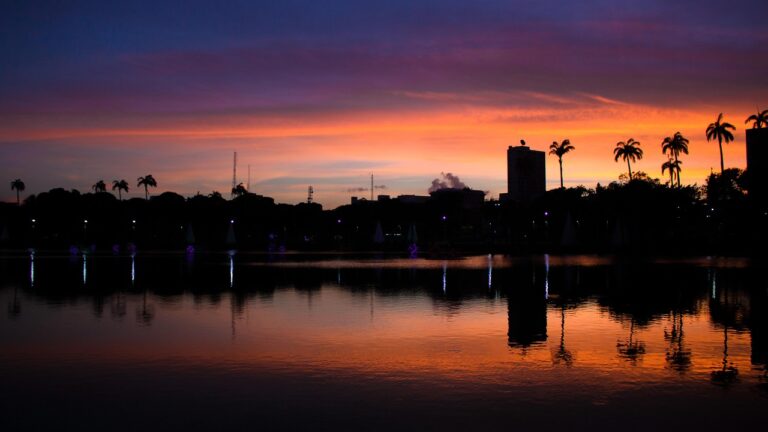
João Pessoa
João Pessoa, capital of Paraíba, pairs a 16th-century historic center, one of Brazil's oldest, founded in 1585, with 20 km of urban beachfront and…
Explore →Timeline
- 1574
The Captaincy of Paraíba is created by the Portuguese crown.
- 1585
A settlement is founded on 5 August at the Sanhauá River as the Royal City of Our Lady of the Snows, today's João Pessoa.
- 1588
The city is renamed Filipeia de Nossa Senhora das Neves in honour of King Philip II.
- 1634-1654
The Dutch occupy Paraíba and rename the capital Frederikstadt.
- 1930
Governor João Pessoa is assassinated, helping trigger the Revolution of 1930; the capital is renamed in his honour and the NEGO flag is adopted.
- 1944
The Ingá Stone petroglyphs are listed as a national monument.
- 2017
João Pessoa joins the UNESCO Creative Cities Network for crafts and folk art.
Landmarks
Ponta do Seixas and Cabo Branco
The easternmost point of the Americas, marked by the Cabo Branco lighthouse and Oscar Niemeyer's Estação Cabo Branco.
Historic centre of João Pessoa
Colonial churches and convents, including the São Francisco cultural centre.
Picãozinho natural pools
Reef pools off João Pessoa's seafront, visited by boat at low tide.
Conde south coast
Quieter beaches south of João Pessoa, including Tambaba, easy as a day trip or short stay.
Ingá Stone
A gneiss rock wall covered with ancient petroglyphs, protected as a national monument.
Valley of the Dinosaurs
A fossil footprint site near Sousa in the sertão, protected as a natural monument.
Areia
A historic town in the brejo highlands, the coldest in the state.
Festivals and events
O Maior São João do Mundo, Campina Grande
A month-long June festival of forró, quadrilhas and regional food centred on the Parque do Povo.
Carnival
Street carnival in João Pessoa and other towns in February or March.
