
Campina Grande
All of Brazil, within reach.

Adopted in September 1930, the red and black flag carries the word NEGO ('I refuse'), recalling governor João Pessoa's refusal to back Júlio Prestes' presidential candidacy. Red stands for his blood after his assassination and black for mourning.
Campina Grande in pictures
About Campina Grande
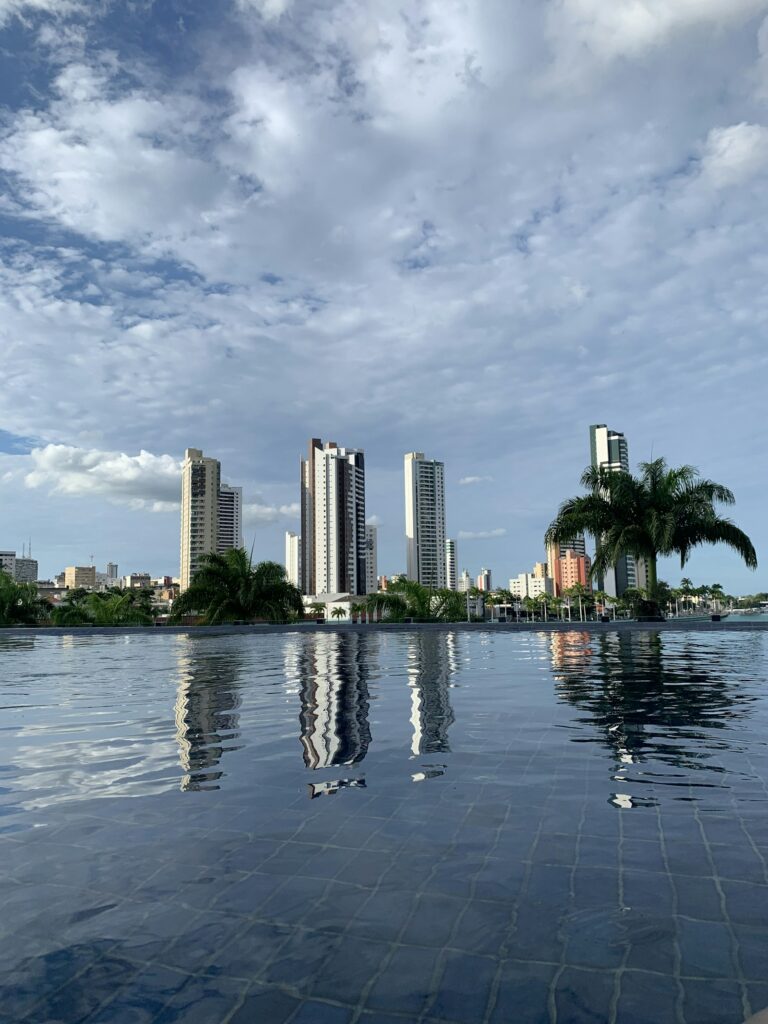
Campina Grande, Paraíba's second city with over 400,000 inhabitants, sits at 560 metres on the Borborema plateau, about 125 km inland from João Pessoa. Founded in 1697, it boomed in the early 20th century on cotton, earning the nickname of the Brazilian Liverpool, and is now a university and software hub. For travellers it means one thing above all: O Maior São João do Mundo, the June festival centralised by the city in 1983, which runs for more than a month at the Parque do Povo with forró and regional food, drawing millions of visitors. Around the city, the Paraíba interior shifts quickly: the Ingá Stone, a 50 metre gneiss wall carved with petroglyphs, is 38 km away; the dry Cariri around Cabaceiras, the municipality with the lowest rainfall in Brazil, is known for the granite boulders of Lajedo de Pai Mateus and as a film location; and the green brejo town of Areia offers a listed historic centre, rapadura and renowned cachaça. For agencies, the region suits June festival programs, cultural and film-location touring, and short interior extensions from João Pessoa or Recife for clients who have already done the coast. The interior also works outside June: a loop from Campina Grande to the Ingá Stone, Cabaceiras and Areia fits into two or three days, with Areia's cooler air and the Atlantic Forest of the Mata do Pau-Ferro state park as a green counterpoint to the dry Cariri. Honest planning points: hotel supply in Campina Grande sells out during São João, so allotments must be secured months ahead; Lajedo de Pai Mateus is on private land with paid, scheduled access; and the Cariri and brejo have very different climates, hot and dry versus cool and humid, which affects packing and timing.
Campina Grande–Presidente João Suassuna Airport
The city's own airport, with Azul to Recife, Fortaleza, Maceió and Belo Horizonte–Confins (and seasonal Campinas), Gol to Salvador and LATAM to Brasília.
João Pessoa–Presidente Castro Pinto International Airport
Paraíba's main airport, with Azul, Gol and LATAM to São Paulo, Brasília, Rio de Janeiro and other hubs, plus Gol to Buenos Aires.
How Campina Grande came to be
Sourced milestones your team can use for guest briefings and storytelling, not filler copy.
Curiosities & practical notes
What's on the table
Carne de sol
The star of Campina Grande's table: salted, sun-cured beef fried in bottled butter or grilled, served with rice, beans, farofa and cassava.
Rubacão
A sertão one-pot of rice and green beans cooked creamy with meat, cream, bacon, peppers and tomato.
Buchada de bode
Goat offal, cleaned and seasoned, cooked inside the stomach lining, a hearty dish of the Cariri goat country.
Cuscuz
Steamed flaked cornmeal, eaten at breakfast with butter, eggs, cheese or carne de sol.
Milho, pamonha e canjica
Roasted green corn, sweet corn tamales and creamy corn pudding, the essential foods of the São João season.
Queijo coalho
The Nordeste's firm fresh cheese, a classic filling for tapiocas, often paired with coconut or carne de sol.
What there is to see
Marked where a site carries UNESCO World Heritage status directly, versus a locally or nationally protected landmark.
Parque do Povo
The purpose-built festival ground in central Campina Grande and home of O Maior São João do Mundo every June.
Açude Velho
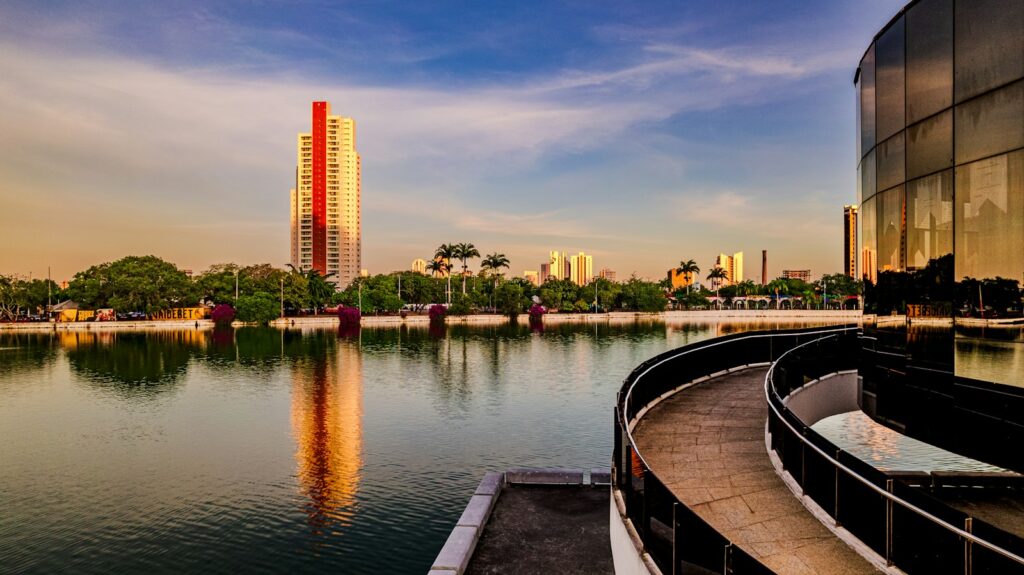
The historic 1829 reservoir in central Campina Grande, the city's best-known landmark.
Museu de Arte Popular da Paraíba
Oscar Niemeyer's late design on the Açude Velho, nicknamed the Three Pandeiros Museum for its circular volumes, run by the State University of Paraíba.
Pedra do Ingá
A gneiss outcrop in the Ingá river with a wall of carved petroglyphs, listed as a national monument in 1944, 38 km from Campina Grande.
Lajedo de Pai Mateus
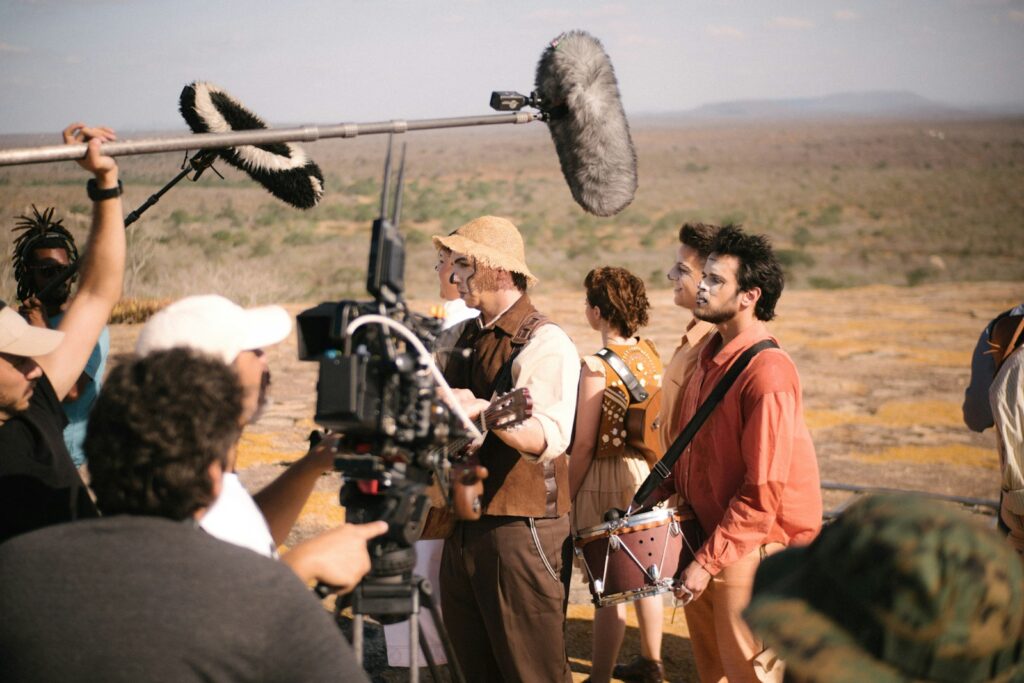
A granite plateau of giant rounded boulders in the Cariri of Cabaceiras, with ancient rock paintings and the landmark Pedra do Capacete.
Cabaceiras, Roliúde Nordestina
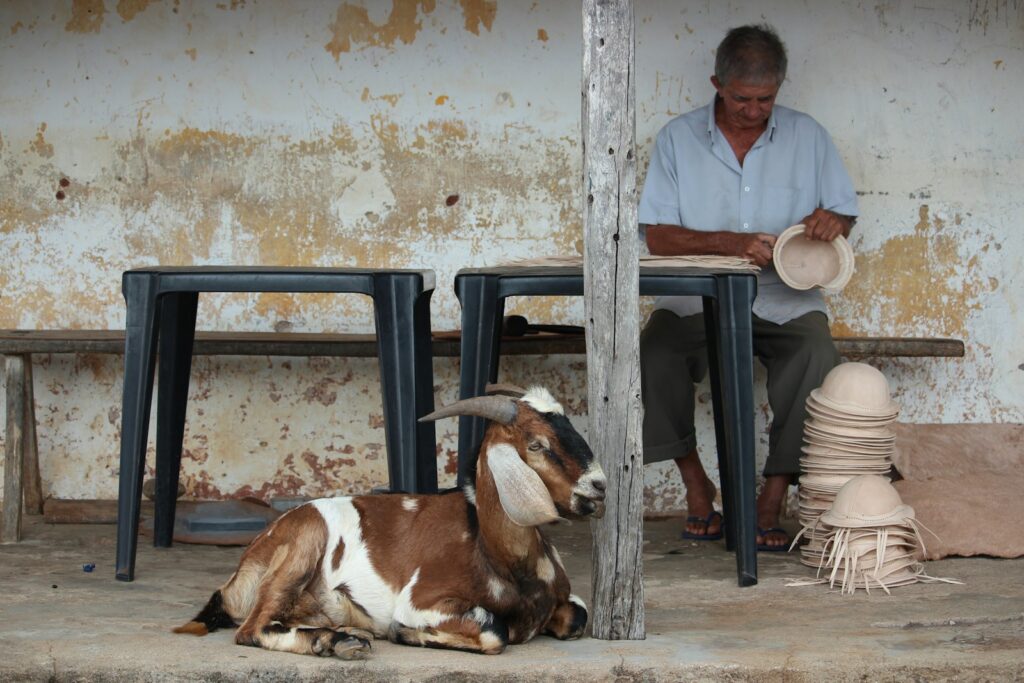
A small Cariri town used as the set for dozens of films, with goat leather workshops and the June Festa do Bode Rei.
Areia historic centre
A brejo town listed by IPHAN in 2006, with the Teatro Minerva, the oldest theatre in Paraíba, the Pedro Américo museum and the Museu da Rapadura.
Parque Estadual Mata do Pau-Ferro
About 608 hectares of Atlantic Forest near Areia, a state park since 2005.
What else we brief agencies on
This is what we prepare for every RFP, whether or not it's published on this page yet:
On request for every proposal
- Best season / weather windows and blackout dates for groups & MICE
- Permit and quota logistics for regulated attractions, lead time and group-size caps
- Accessibility notes and physical-difficulty ratings per activity
- Vetted ground partners, guides and transport already used on past programs
- Sustainability / certification credentials relevant to client RFPs, where they genuinely exist
- Real, checked room and vehicle availability for your travel dates, not a generic quote
