Two numbers came out of Ceará this autumn and they point in opposite directions. International arrivals are up sharply. Tourism revenue in the state is down. Neither is wrong, and the gap between them is the most useful thing an agency can know about the destination right now.
The Arrivals Number
Between January and August 2026, Ceará recorded 86,021 international arrivals, a rise of 23.6 percent against the 69,623 registered in the same period of 2025 (Ministério do Turismo, with Polícia Federal data, released with Embratur, September 2026).
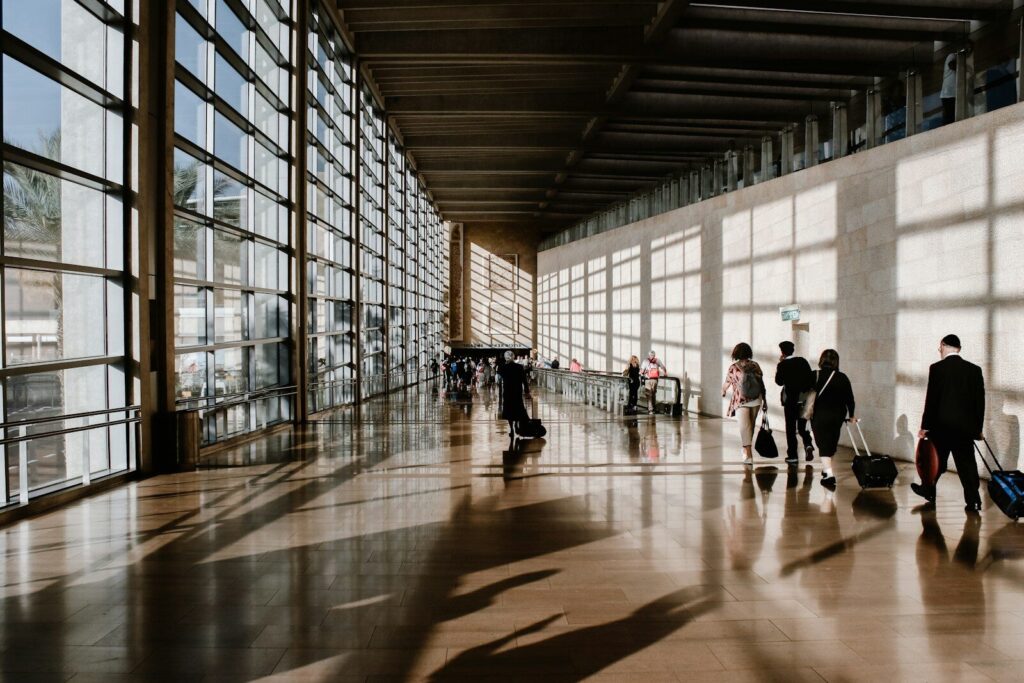
Fortaleza is doing most of the work. In the first half of the year the capital received 54,609 foreign visitors, also up 23.6 percent, on 1,504 international flights, an increase of 18 percent year on year (Observatório do Turismo, Secretaria do Turismo de Fortaleza, 2026). The composition of its visitors has shifted with it: foreign travelers accounted for 3 percent of the city’s total in 2022 and 9 percent in 2026 (Observatório do Turismo, 2026).
The source markets are not the ones most operators assume. Portugal and France lead, followed by Argentina, Italy, Germany and the United States (Ministério do Turismo, September 2026). This is a European destination with a Brazilian address.
It is worth keeping the scale in view. Ceará’s 86,021 foreign arrivals sit inside a national total of 6,451,257 for the same eight months (Embratur, September 2026), which is to say the state holds a little over one percent of Brazil’s inbound traffic. A 23.6 percent rise on a small base is a signal, not yet a market.
The Revenue Number
Over the same stretch, the money went the other way. Tourism revenue in Ceará fell 4.2 percent in the first half of 2026, then 6.9 percent in July alone, leaving the January to July figure down 2 percent (FecomercioSP, October 2026). Nationally, tourism revenue over the same seven months reached 168.8 billion reais, up 3.4 percent (FecomercioSP, October 2026).
So Ceará gained foreign visitors while losing revenue, in a year when the country as a whole gained both. The obvious explanation is domestic: the international segment is still small in absolute terms, and a softer Brazilian market can outweigh it. The published survey does not break the fall down by hotels, restaurants or other services, so anyone claiming to know exactly where it came from is guessing.
What Lisbon Has to Do With It
Air connectivity is the mechanism behind the arrivals growth, and it is about to get stronger. The Fortaleza to Lisbon route moves from three to five weekly flights from November, for the high season (2026).
Inland, the pattern holds. Jericoacoara regional airport handled more than 265,000 passengers with growth above 21 percent year on year (2026), and the federal government invested 6 million reais in paving the access road to Jericoacoara National Park (Ministério do Turismo, September 2026). The complaint about Jeri was never the dunes. It was the last 20 kilometers.
The Wind Season Is the Real Calendar
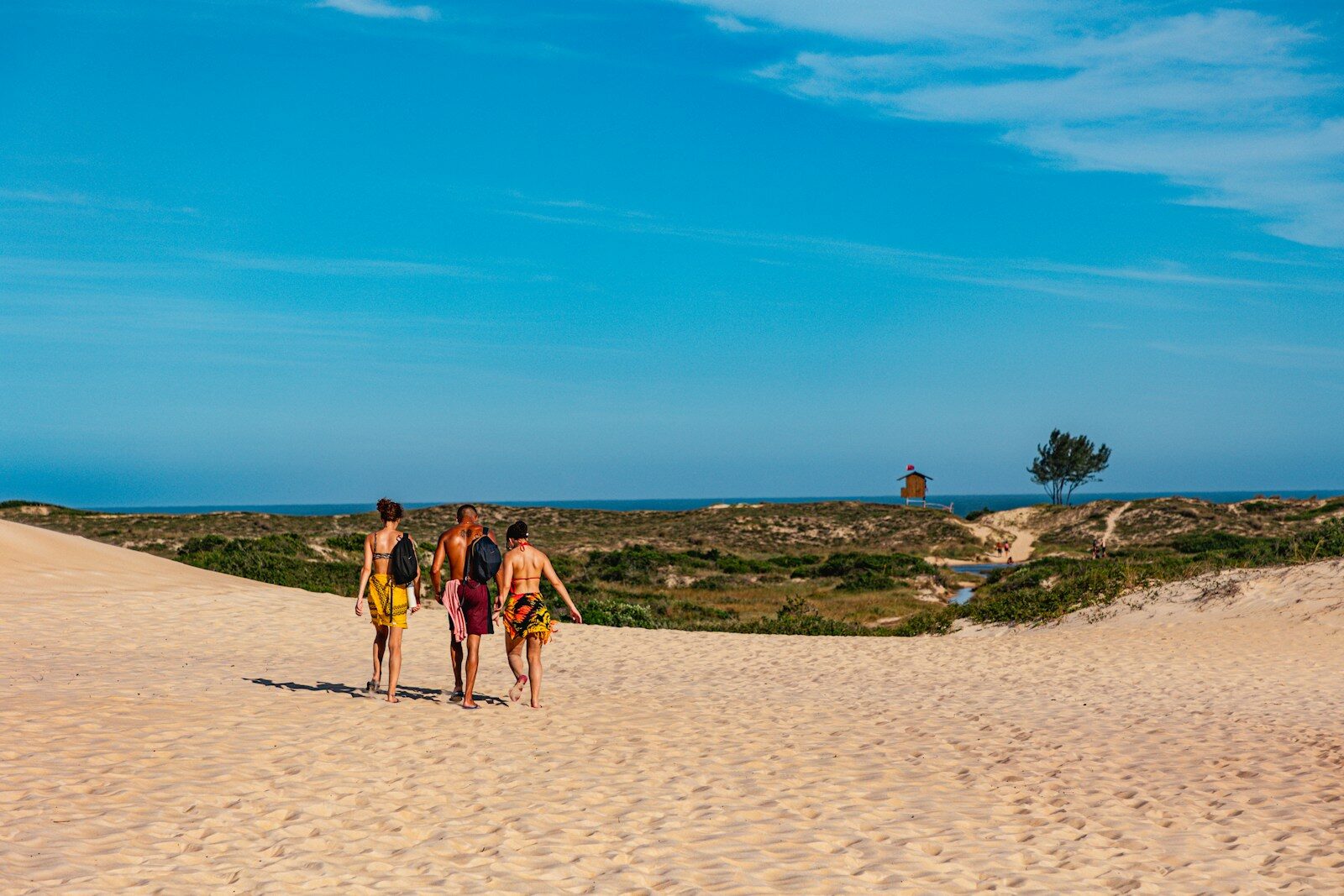
Ceará does not run on the Brazilian summer calendar that governs Rio. It runs on wind. The season stretches roughly from August to December, and it is what brings kitesurfers and windsurfers to Cumbuco, Preá and Jericoacoara (Ministério do Turismo, September 2026).
For a European client, that is an unusually convenient fact. The best months in Ceará fall outside the European summer and outside the Brazilian peak, which means availability and rates behave differently from the rest of the country.
There is a second consequence that rarely makes it into a brief. Wind season and rain season are not the same conversation in the Northeast, and a client who has been sold Ceará as a beach destination in the European sense will arrive expecting still water. The coast between Cumbuco and Preá is spectacular and it is windy, which is the entire point for some travelers and a disappointment for others. That distinction belongs in the proposal, not in the complaint afterward.
What It Means for Your Programs
Ceará is currently a destination where demand from abroad is rising faster than the local market can feel it. That combination tends to produce good value and real availability, and it does not last once the domestic side recovers.
The practical reading: build Ceará on the wind season rather than on the Brazilian summer, route through Lisbon where the client allows it, and treat Jericoacoara as reachable in a way it was not three years ago. The revenue figures are a warning about the state economy, not about the quality of the product.