
Natal
All of Brazil, within reach.

A green and white horizontal bicolour with the state arms at the centre, designed by folklorist Luís da Câmara Cascudo and adopted in 1957. The arms show a jangada at sea for fishing and salt, framed by coconut and carnauba palms with sugarcane and cotton.
Natal in pictures
About Natal
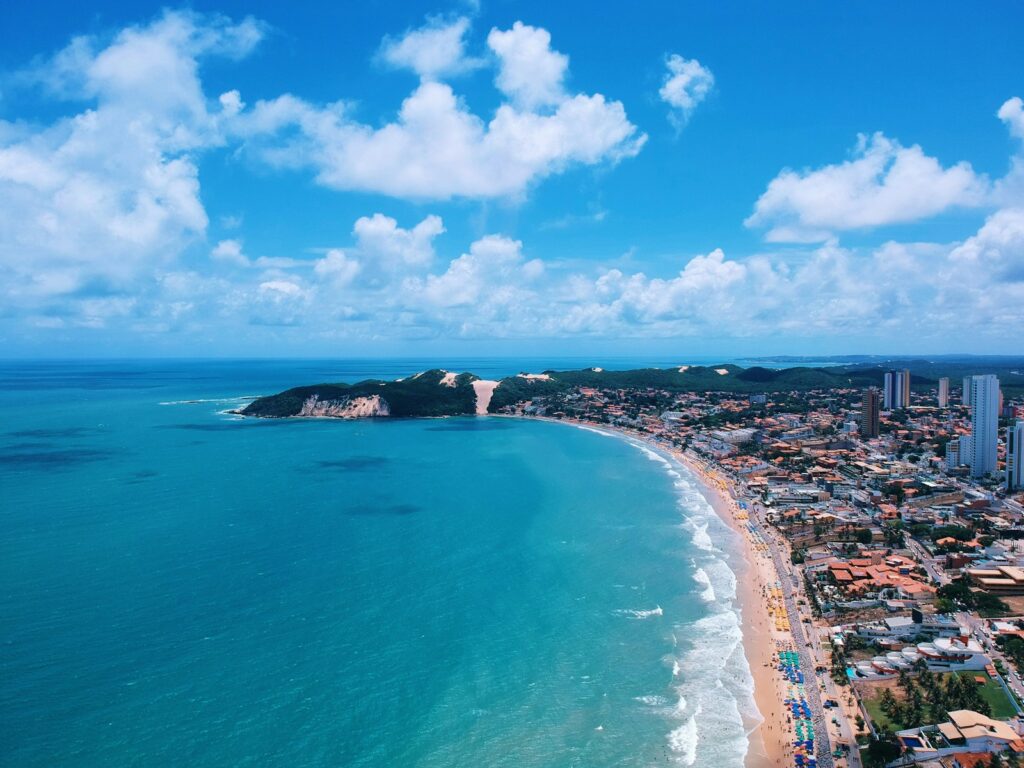
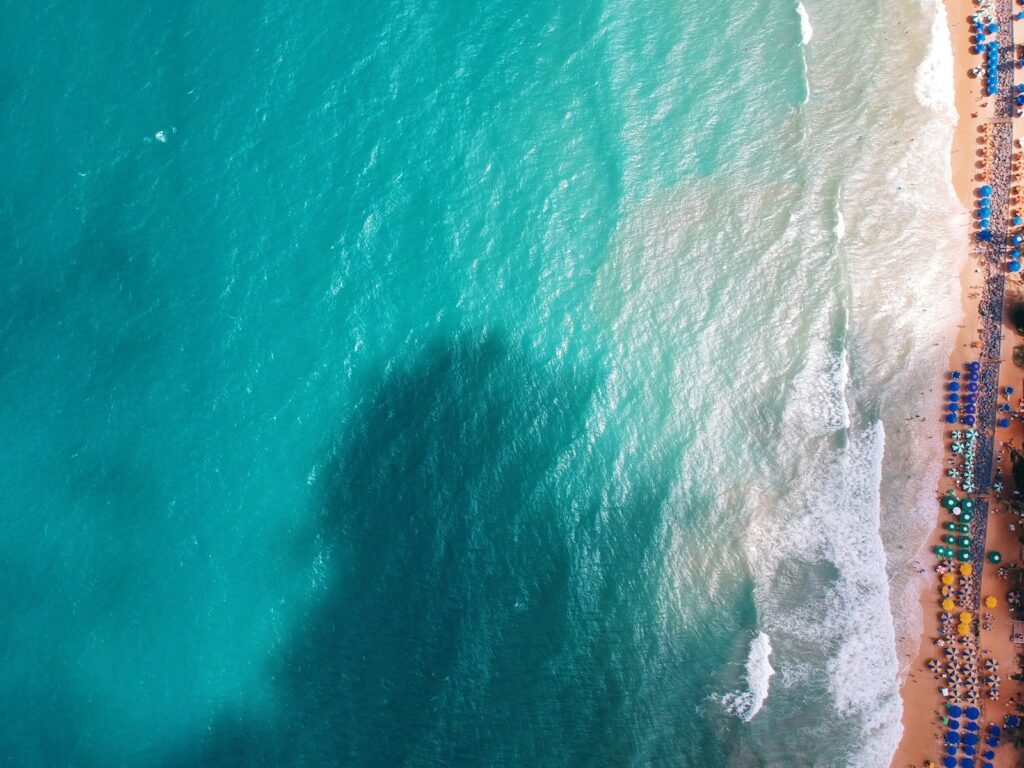
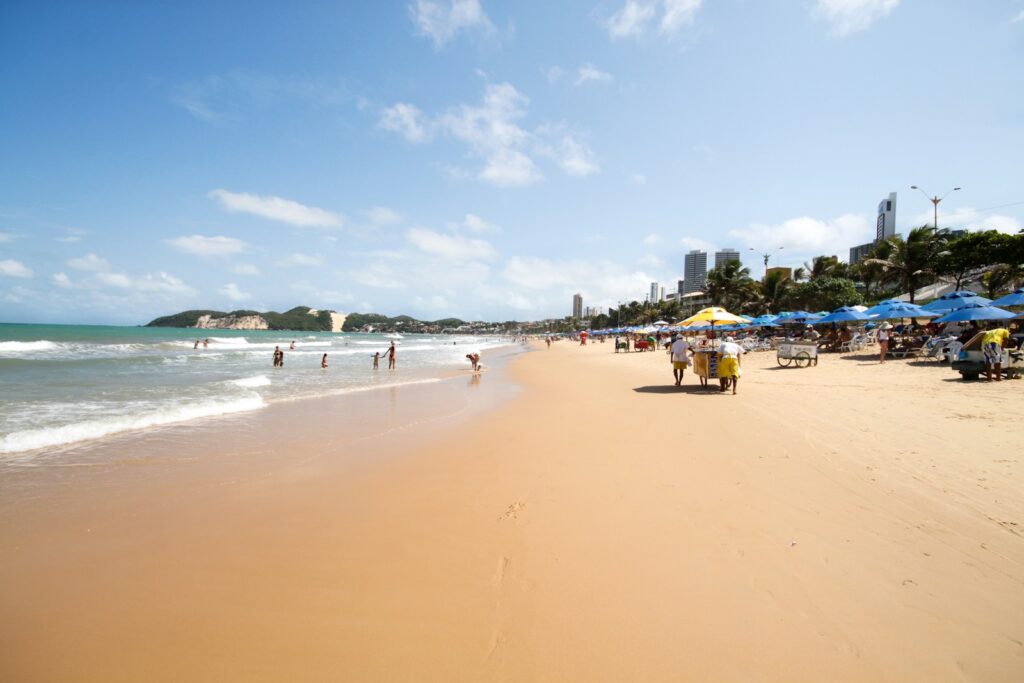
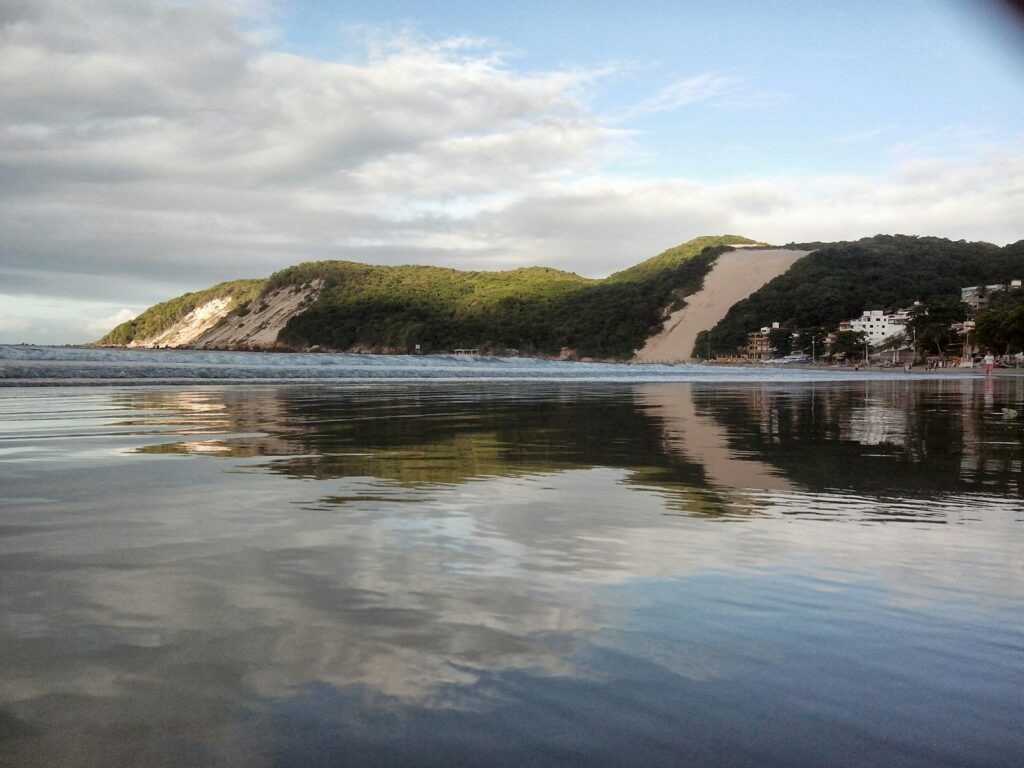
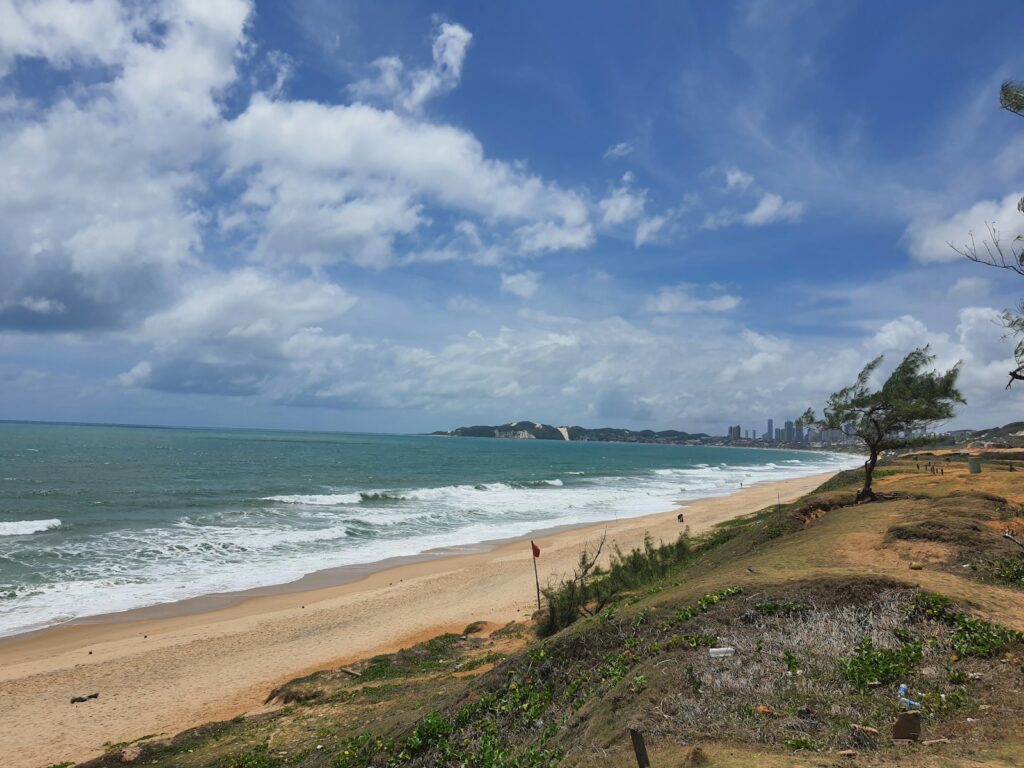
Natal, capital of Rio Grande do Norte, sits at the north-eastern corner of Brazil where the Potengi River meets the Atlantic. The city was founded on 25 December 1599, hence its name, Christmas, next to the Forte dos Reis Magos, a star-shaped fort begun in 1598 on a reef at the river mouth. Known as the City of the Sun, with more than 3,000 hours of sunshine a year, and as the City of Dunes, Natal wraps around the Parque das Dunas, a 1,172 hectare protected belt of Atlantic Forest on coastal dunes and one of Brazil's largest urban parks. The Via Costeira runs between the park and the sea to Ponta Negra, the main hotel beach, closed at its southern end by the Morro do Careca, a 107 metre dune that is the city's postcard. North of the Potengi, crossed by the Newton Navarro bridge, lie the moving dunes and lagoon of Genipabu. To the south stands the Cajueiro de Pirangi, the giant cashew tree, and to the north the offshore reefs of Maracajaú. For agencies, Natal suits sun-and-beach FIT and families, incentive groups looking for buggy adventures, snorkelling and resort hotels, and multi-centre Northeast itineraries, with Pipa, about 85 km south in Tibau do Sul, as the natural extension. Day trips are the core of any program: the northern coast by buggy with credentialed drivers, the southern beaches and Pirangi, and a boat to the Maracajaú reefs, which depends on low tide. Logistics are easy: NAT is served by domestic hubs and the drive to Ponta Negra follows good roads. Honest planning points: the airport lies outside the city in São Gonçalo do Amarante, so allow for transfer time; buggy rides should only be booked with licensed operators; and heritage content is thinner than in Recife or Salvador, so programs work best when built around nature, beaches and light history such as the fort and the city's Second World War role.
Aeroporto Internacional do Rio Grande do Norte/São Gonçalo do Amarante, Governador Aluízio Alves
Opened on 31 May 2014 as Brazil's first privately built and operated airport, run by Zurich Airport since 2023, with domestic flights to the main Brazilian hubs.
How Natal came to be
Sourced milestones your team can use for guest briefings and storytelling, not filler copy.
Curiosities & practical notes
What's on the table
Ginga com tapioca
Small fish coated in cornmeal and fried in dendê oil, served on skewers with tapioca, a speciality of the Redinha public market.
Carne de sol
Salted, sun-cured beef, famously from Caicó in the Seridó, served with cassava, rice, beans and farofa.
Paçoca de carne de sol
Shredded carne de sol pounded with cassava flour and onion, often served with green beans and cassava.
Camarão
Shrimp from the state's large farming and fishing sector, served grilled or in a creamy bobó de camarão.
Cuscuz
Steamed seasoned cornmeal, a Northeast breakfast staple eaten with butter, eggs or carne de sol.
Queijo de coalho and manteiga da terra
Artisan cheese and clarified country butter from the Seridó hinterland, fixtures of any Potiguar table.
What there is to see
Marked where a site carries UNESCO World Heritage status directly, versus a locally or nationally protected landmark.
Forte dos Reis Magos
A star-shaped fort begun in 1598 on the reef at the mouth of the Potengi, listed by IPHAN in 1949 and restored as a museum.
Ponta Negra and Morro do Careca
Natal's main hotel beach, closed to the south by a 107 metre dune that is the city's best-known image.
Parque das Dunas
A 1,172 hectare state park of dunes and Atlantic Forest in the city, with marked trails and a visitor centre.
Ponte Newton Navarro
The bridge across the Potengi, opened in 2007, linking the city to Redinha and the northern coast.
Dunas de Genipabu
Moving dunes and a freshwater lagoon about 20 km from central Natal, explored by buggy and dromedary, with dune sliding into the lagoon.
Cajueiro de Pirangi
A cashew tree covering about 8,500 square metres at Pirangi do Norte, around 12 km south of Natal, with a viewing platform.
Parrachos de Maracajaú
Coral reefs about 7 km off the coast of Maxaranguape, reached by boat at low tide for snorkelling in clear water.
Mercado da Redinha
The public market of Redinha beach, north of the Potengi, home of the ginga com tapioca tradition.
What else we brief agencies on
This is what we prepare for every RFP, whether or not it's published on this page yet:
On request for every proposal
- Best season / weather windows and blackout dates for groups & MICE
- Permit and quota logistics for regulated attractions, lead time and group-size caps
- Accessibility notes and physical-difficulty ratings per activity
- Vetted ground partners, guides and transport already used on past programs
- Sustainability / certification credentials relevant to client RFPs, where they genuinely exist
- Real, checked room and vehicle availability for your travel dates, not a generic quote
