Brazil closed 2025 with 9,287,196 international tourists, up 37.1 percent on 2024 and the highest annual total the country has recorded (Embratur, reported by Diário do Rio, January 2026). Eight months into 2026, the pace has settled rather than reversed: 6,451,257 arrivals between January and August, the second best result for the period (Embratur, September 2026).
Those two numbers frame most of what follows. Brazil is no longer a recovery story. It is a large, established inbound market that has reached a new level and is now deciding where its next growth comes from.
Who Is Coming
Argentina remains the base of the market, with 2,244,297 visitors between January and August 2026, ahead of Chile with 547,601 and the United States with 514,128 (Embratur, September 2026). Proximity still explains much of the volume, and a good part of it crosses by road.
The movement worth following is further away. Chinese arrivals reached 113,228 in the same eight months, up 73.3 percent and already above the total for the whole of 2025 (Embratur, September 2026). Portugal grew 24.9 percent between January and July and is now Brazil’s largest European market (Embratur, reported by CNN Portugal, September 2026).

Spending Is Rising Faster Than Arrivals
International visitors spent 7.4 billion US dollars in Brazil between January and August 2026, 10.4 percent more than a year earlier (Embratur, September 2026). With arrivals broadly flat, the gain comes from what each traveler does once in the country: longer stays, better hotels, more regions.
The supply side is moving in the same direction. In September, the Michelin Guide awarded Keys to 22 Brazilian hotels, two of them with Three Keys (Panrotas, September 2026). In April, Tuju and Evvai, both in São Paulo, became the first Brazilian restaurants to receive three Michelin stars (Michelin Guide, reported by Exame, April 2026).
Nature Is Where Capacity Gets Tested
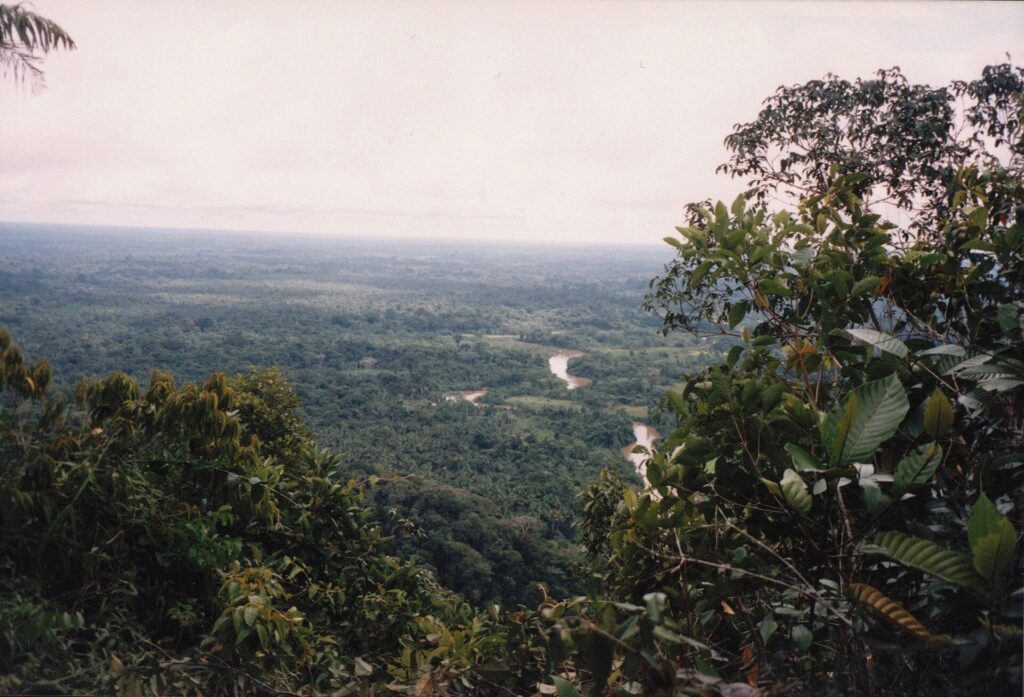
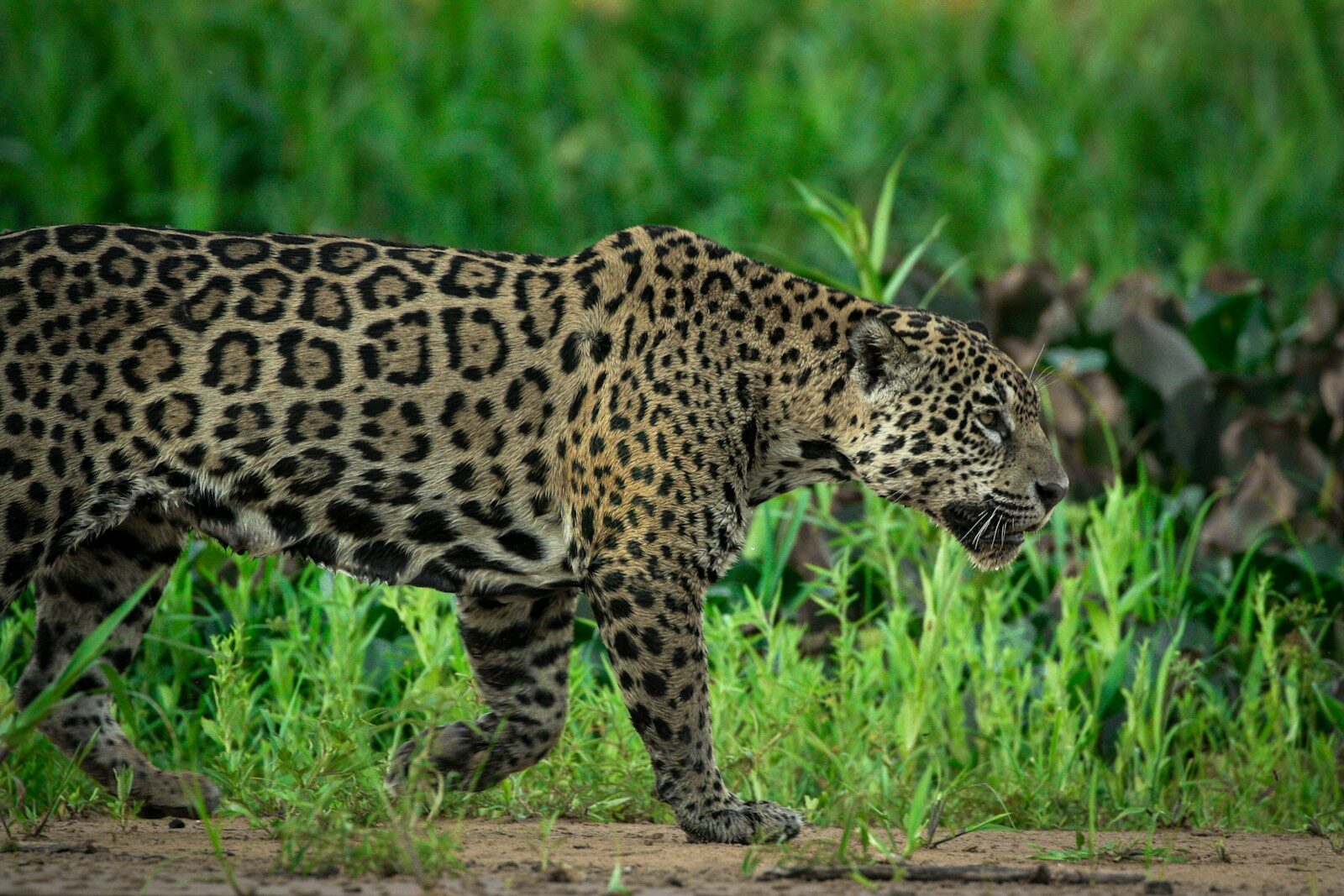
Brazil’s federal conservation units recorded 28.6 million visits in 2025, a record, up from 25.7 million the year before (ICMBio, May 2026). The pressure is concentrated in a few parks. Lençóis Maranhenses received more than 650,000 visitors in 2025, against about 151,000 in 2019, and ICMBio is now studying a cap on visitor numbers (ICMBio, January 2026).
For agencies, that changes the planning logic. The best known natural sites are moving toward managed access, and the operators with reliable local partners will have the dates when others do not.
What It Means for Your Programs
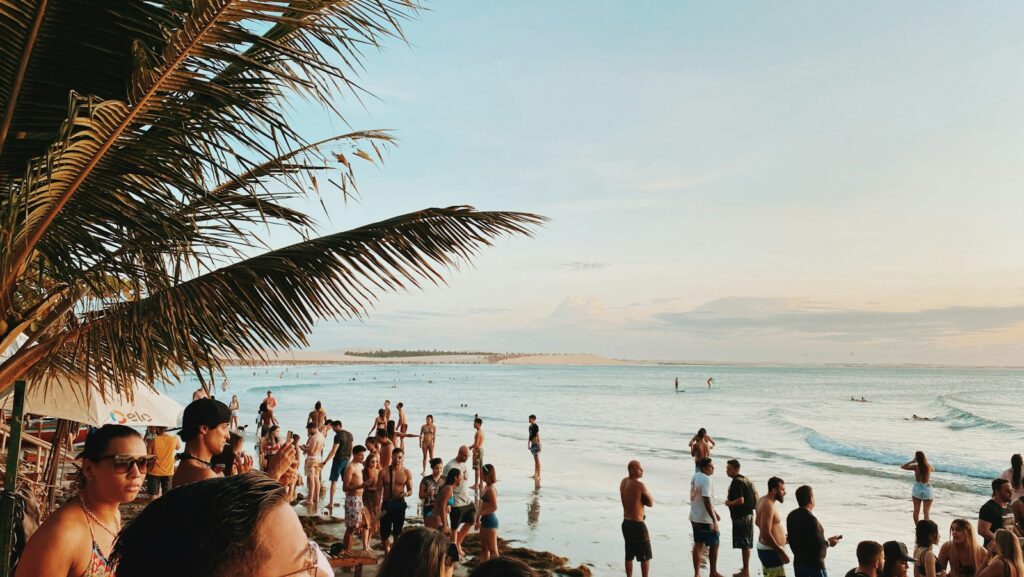
Sell value per traveler rather than volume, because the market is already paying more per trip. Look beyond Rio and São Paulo toward the South, the Northeast and the Amazon, where infrastructure has improved faster than international demand. And confirm ground services early for the parks and festivals where access is now limited.
This magazine follows those shifts as they happen, with each figure next to its source, so that a proposal can be built on data rather than on postcards.
For agencies building programs in Brazil today, start from the destinations atlas or see how we work with travel agencies. Official visitor information is published by Embratur.