
Bahia
Brazil's first capital, the country's longest state coastline and the trekking plateau of Chapada Diamantina: depth for culture, beach, MICE and adventure programmes.

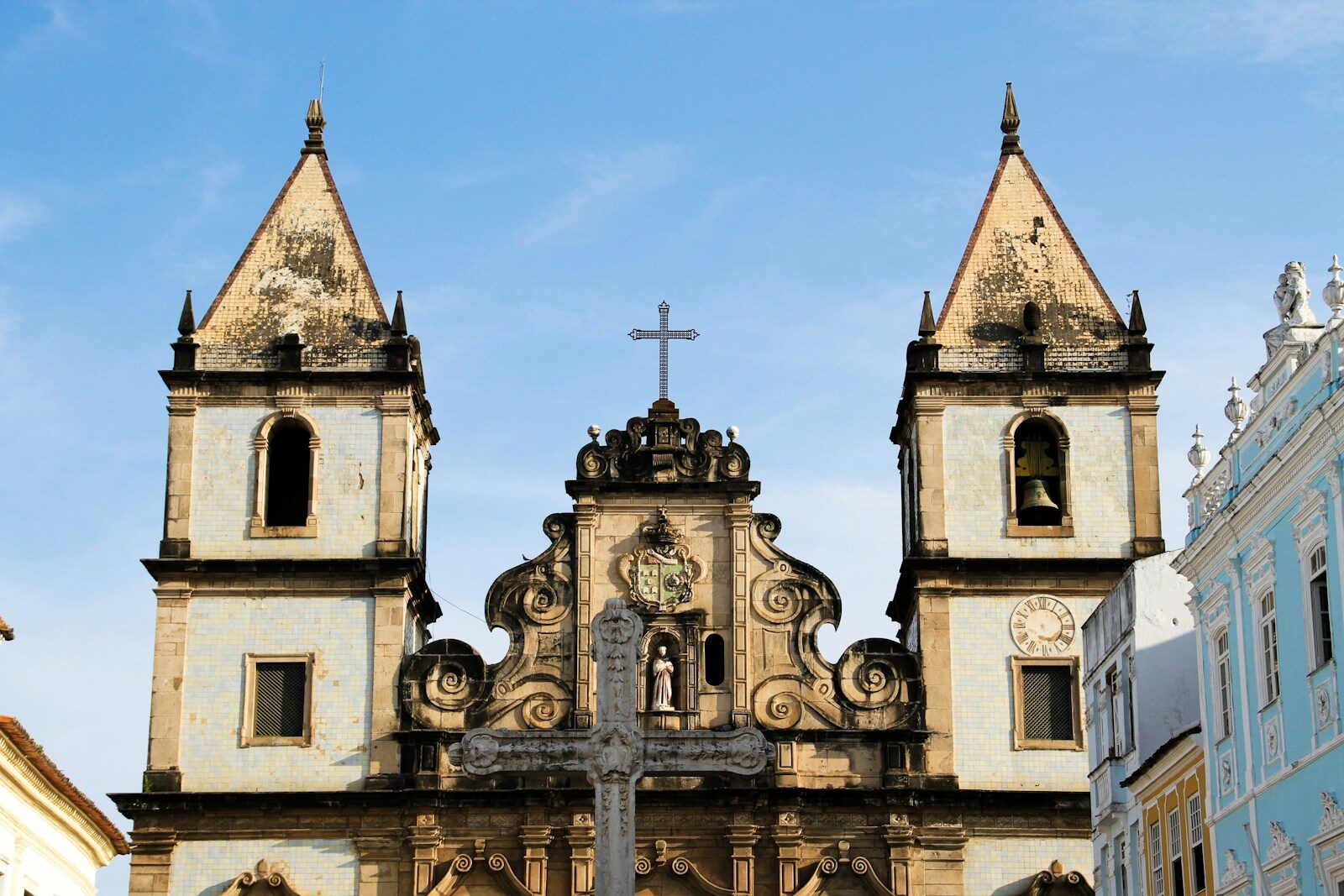
The state
Bahia is where the Portuguese first landed in 1500 and where Brazil was governed from until 1763, and it remains the country's most visible centre of Afro-Brazilian culture. Salvador's historic upper town, Candomblé terreiros, capoeira and samba de roda give the capital a cultural density few Brazilian cities match. Beyond it, the state covers a vast territory: more than 1,100 km of coastline with islands such as Tinharé and Boipeba, the Recôncavo towns around the Bay of All Saints, the cocoa coast of Ilhéus, the Discovery Coast around Porto Seguro and, far inland, the table mountains, caves and waterfalls of Chapada Diamantina.
For agencies, Bahia supports almost every format: cultural FIT and small-group tours in Salvador, MICE and incentive groups using the capital's hotel base, beach extensions on the south coast, and hiking or photography programmes in the Chapada. Distances are real, so multi-region itineraries usually combine domestic flights with long road transfers; Chapada Diamantina sits several hours inland from Salvador, and Morro de São Paulo is reached by boat. Salvador's wettest months are April to June, while the Chapada's dry season from May to September is best for trekking.
Salvador is warm all year, wettest from April to June and driest in December and January. In Chapada Diamantina, May to September is the dry, cooler trekking season, while November to March brings rain and fuller waterfalls.
Destinations 2
Destinations in this state covered by YourBrasil ground services.
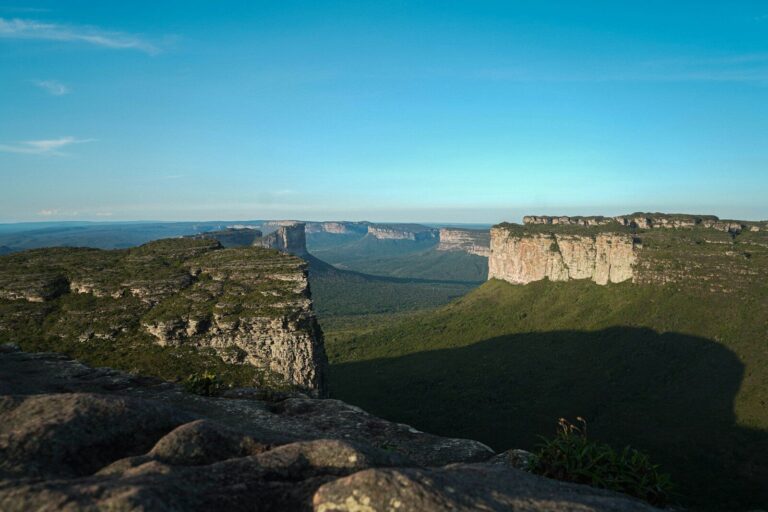
Chapada Diamantina
Chapada Diamantina anchors a roughly 152,000-hectare national park in the highlands of central Bahia, about 420 km (around 6 hours by road) from Salvador,…
Explore →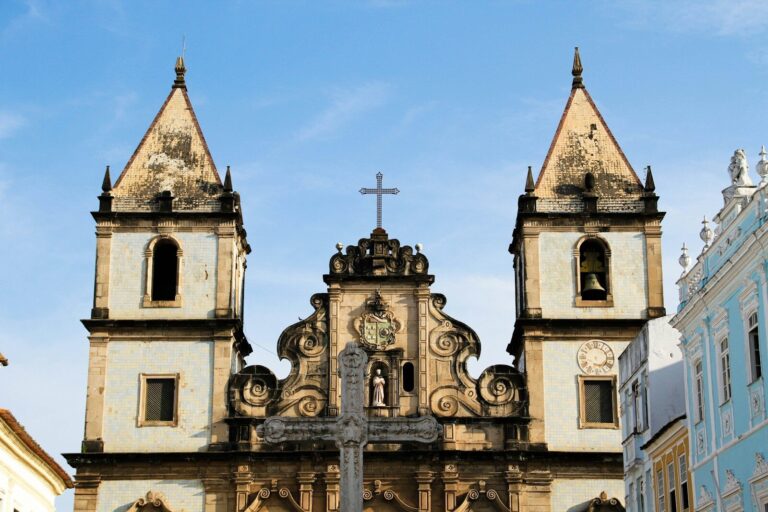
Salvador
Salvador, capital of Bahia, was founded in 1549 as Brazil's first capital and remained the seat of Portuguese colonial government until 1763, leaving behind…
Explore →Timeline
- 1500
Pedro Álvares Cabral sights Monte Pascoal and lands on the coast of today's southern Bahia, near Porto Seguro.
- 1549
Salvador is founded as the seat of Portuguese colonial government.
- 1763
The colonial capital moves from Salvador to Rio de Janeiro.
- 1798
The Revolt of the Tailors, an uprising inspired by the ideals of equality, is suppressed in Salvador.
- 1823
Portuguese forces surrender Salvador on 2 July, completing Bahia's war of independence.
- 1835
The Malê Revolt, led by enslaved Muslim Africans, breaks out in Salvador.
- 1896-1897
The War of Canudos destroys Antônio Conselheiro's settlement in the Bahian backlands, later chronicled in Euclides da Cunha's Os Sertões.
- 1985
The Historic Centre of Salvador is inscribed on the UNESCO World Heritage List, and Chapada Diamantina National Park is created.
Landmarks
Pelourinho, Historic Centre of Salvador UNESCO
Salvador's colonial upper town of painted façades, baroque churches and cobbled squares.
Discovery Coast Atlantic Forest Reserves UNESCO
Protected Atlantic Forest areas around Porto Seguro, including Monte Pascoal and Pau Brasil national parks.
Chapada Diamantina National Park
Table mountains, caves, blue pools and multi-day treks such as the Vale do Pati, based from Lençóis.
Bay of All Saints and the Recôncavo
A large bay of islands ringed by historic sugar towns such as Cachoeira.
Morro de São Paulo
A village on Tinharé island with a historic fortress, lighthouse and a string of numbered beaches.
Abrolhos Marine National Park
An offshore archipelago and reef system in the far south, known for whale watching.
Igreja do Senhor do Bonfim
Salvador's most beloved church, famous for its coloured ribbons and the Lavagem ritual.
Festivals and events
Lavagem do Bonfim
In January, baianas in white process to the Bonfim church and wash its steps with scented water.
Festa de Iemanjá
On 2 February, offerings to the sea goddess are carried out to sea from Rio Vermelho in Salvador.
Salvador Carnival
Held in February or March, with trios elétricos, afoxés and blocos along the city's circuits.
2 de Julho
Bahia's Independence Day parade through Salvador on 2 July.
1 ibge.gov.br2 en.wikipedia.org3 pt.wikipedia.org4 en.wikipedia.org5 whc.unesco.org6 whc.unesco.org7 ba.gov.br8 en.wikipedia.org9 en.wikipedia.org10 en.wikipedia.org11 en.wikipedia.org12 en.wikipedia.org13 en.wikipedia.org14 en.wikipedia.org15 en.wikipedia.org16 en.wikipedia.org17 en.wikipedia.org18 pelourinhodiaenoite.salvador.ba.gov.br19 guia.melhoresdestinos.com.br
← All destinations