
Espírito Santo
A compact coastal state pairing Atlantic beaches with cool Italian and Pomeranian-settled mountains, well suited to short add-ons, agritourism and MICE.

The state
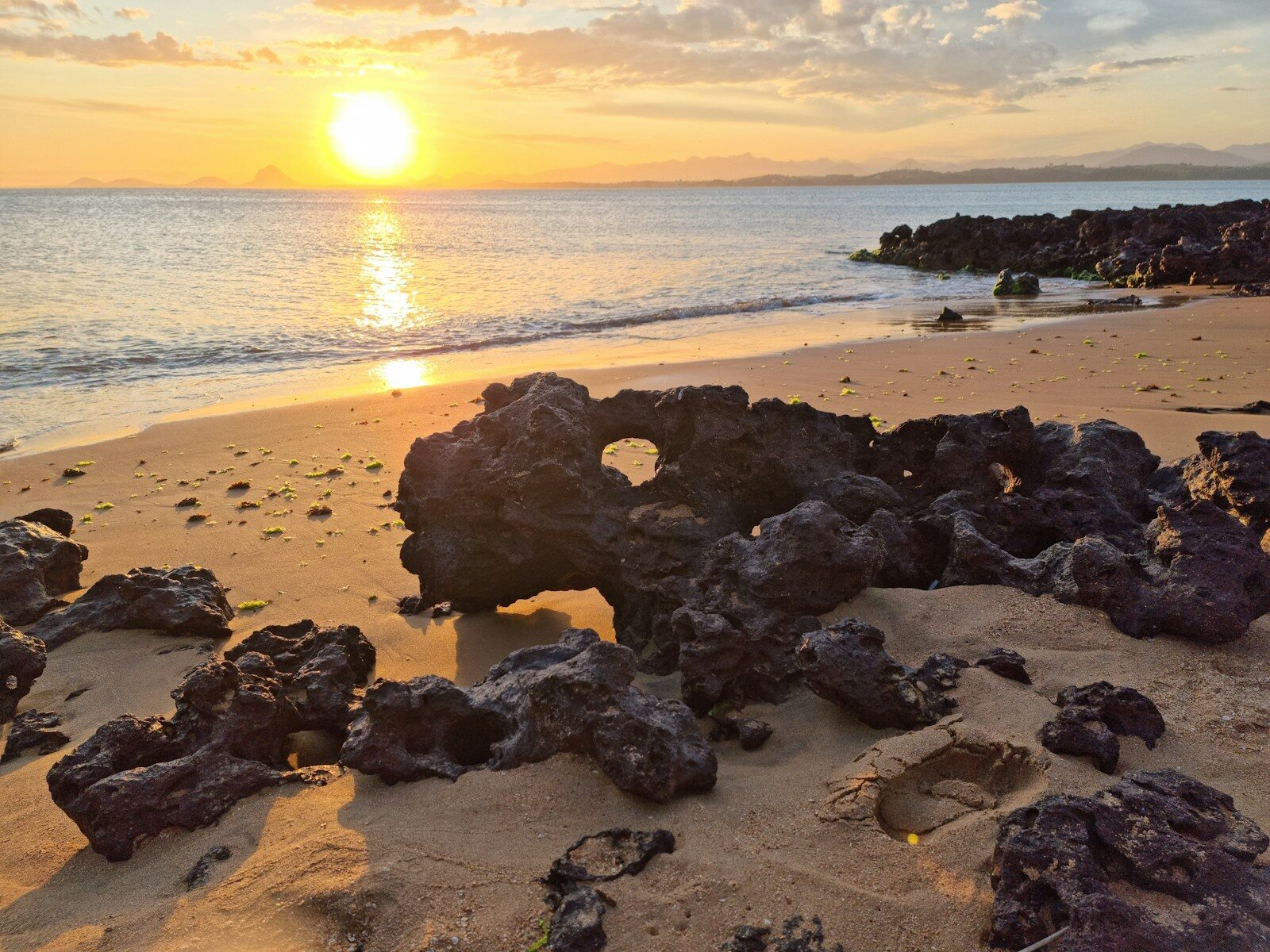
Espírito Santo is one of Brazil's smallest states, yet within a few hours' drive it moves from Atlantic beaches to granite mountains above 1,800 metres. Colonised from 1535, it keeps one of the oldest religious sites in the country, the Convento da Penha, while the nineteenth century brought German, Pomeranian and above all Italian settlers to the highlands, whose farms, dialects and festivals still define towns such as Domingos Martins, Venda Nova do Imigrante and Santa Teresa. Capixaba identity also shows in the moqueca cooked in black clay pots from Goiabeiras and in the Afro-Brazilian congo bands. The Vitória metropolitan area is a major port and industrial hub.
For agencies, Espírito Santo works as a relaxed extension to Rio de Janeiro or Minas Gerais, or as a stand-alone short program combining Vitória and Vila Velha with the mountain region around Pedra Azul. It suits food and agritourism FIT, coffee-themed itineraries, soft adventure and corporate MICE thanks to Vitória's business infrastructure. Logistics note: the coast is compact, but the northern dunes of Itaúnas and the Caparaó mountains lie farther away and are best built into multi-night circuits. International guests usually connect via São Paulo, Rio or Brasília.
The coast is warm year-round and busiest in the December to March summer season, while the mountain region is noticeably cooler and particularly pleasant in the drier months of the southern winter, around June to August.
Destinations 3
Destinations in this state covered by YourBrasil ground services.
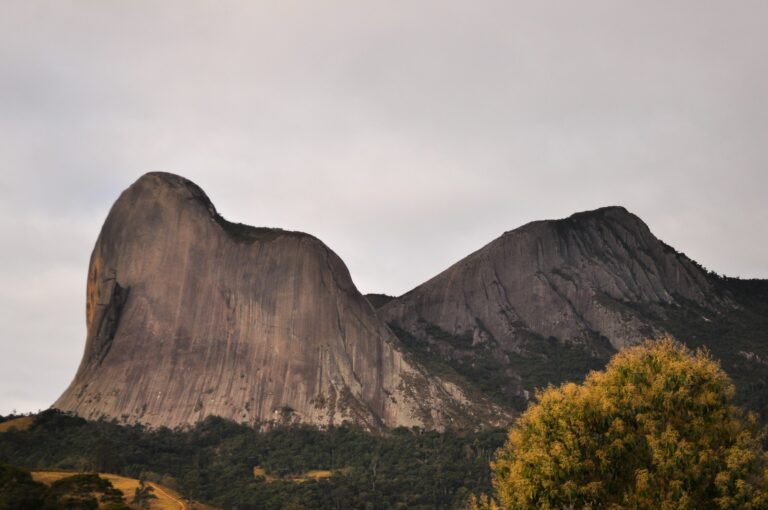
Pedra Azul
Inland from Vitória, the highlands of Espírito Santo rise into a landscape of Atlantic Forest, rocky peaks and small farms settled by European immigrants…
Explore →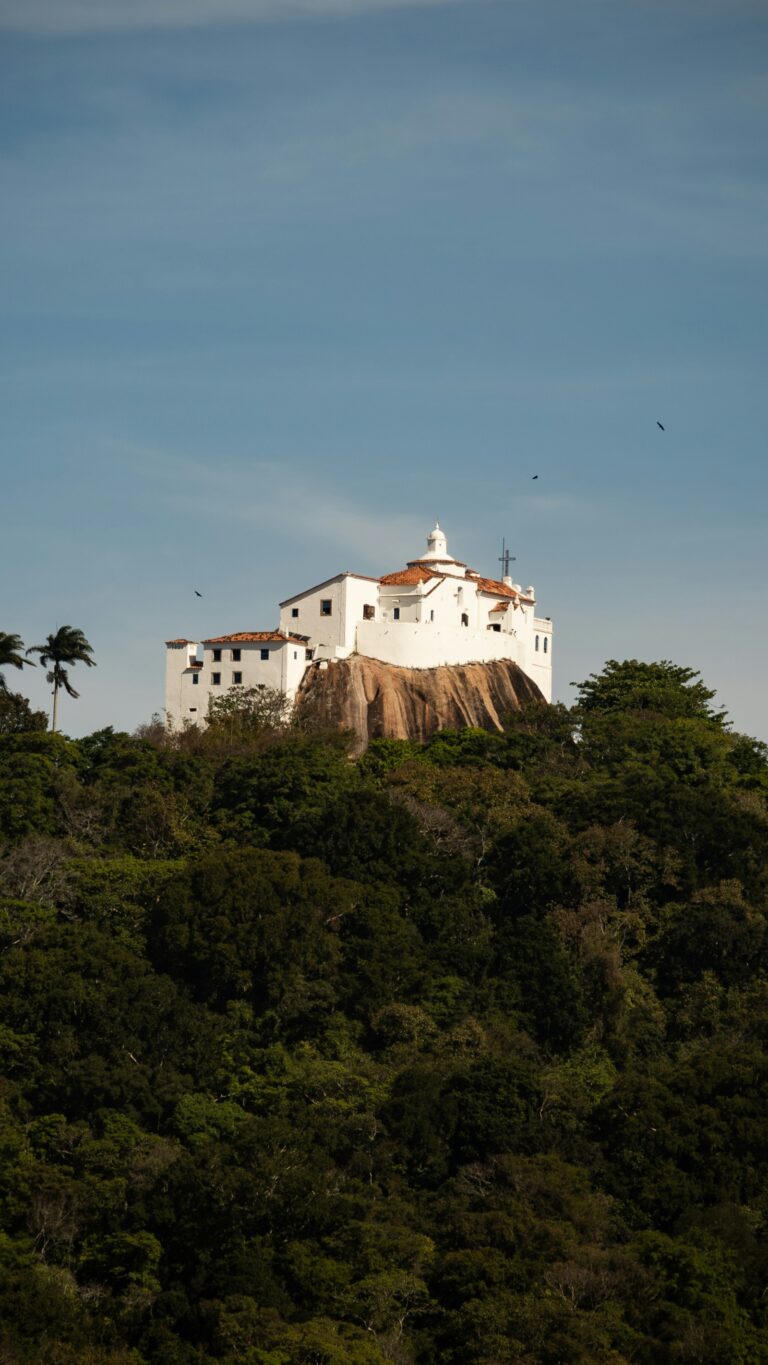
Vila Velha
Vila Velha is the oldest town in Espírito Santo. On 23 May 1535 the Portuguese donatary Vasco Fernandes Coutinho landed at Prainha, on the…
Explore →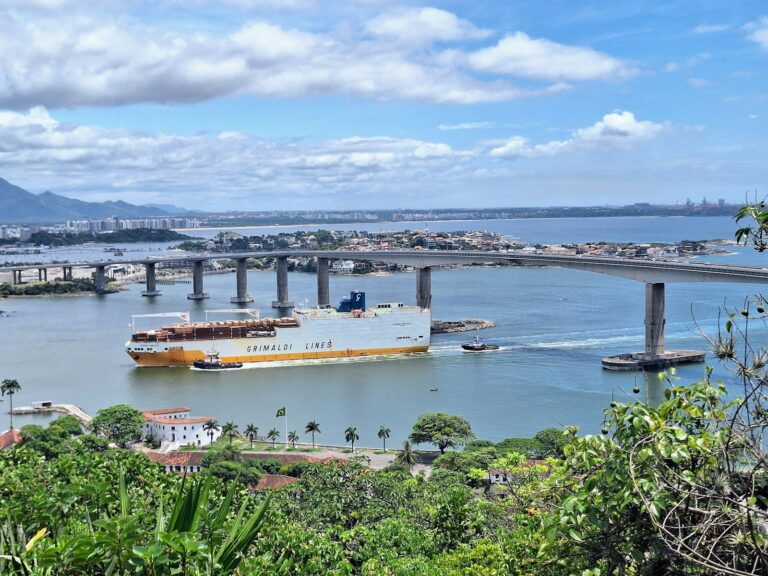
Vitória
Vitória, capital of Espírito Santo, was founded on 8 September 1551 on an island in Vitória Bay, when the Portuguese moved the seat of…
Explore →Timeline
- 1535
Vasco Fernandes Coutinho lands with about 60 settlers to establish the captaincy at today's Vila Velha.
- 1551
Vitória is founded on an island near Vila Velha, a more defensible site for the settlers.
- c. 1558
Friar Pedro Palácios begins the devotion that gives rise to the Convento da Penha above Vila Velha.
- 1847
German families from the Hunsrück and Hesse found the colony of Santa Isabel in the mountains.
- 1859
The first Pomeranian immigrants settle around Santa Leopoldina, a flow that continues until 1879.
- 1874
The Tabacchi expedition marks the start of large-scale Italian immigration to the state.
- 1889
With the proclamation of the Republic, the province becomes the state of Espírito Santo.
Landmarks
Convento da Penha
Sixteenth-century hilltop convent in Vila Velha with views over Vitória bay, the state's main pilgrimage site.
Pedra Azul State Park
Granite monolith rising to about 1,822 m in the mountains of Domingos Martins, with trails and natural pools.
Itaúnas State Park
Coastal park in Conceição da Barra with dunes up to 30 m high, beaches and river wetlands.
Caparaó National Park
Highland park on the Minas Gerais border, home to Pico da Bandeira.
Sooretama and Linhares reserves UNESCO
Atlantic Forest reserves in the north of the state, part of the Discovery Coast Atlantic Forest Reserves.
Santa Teresa
Italian-heritage mountain town and home of the Augusto Ruschi Biological Reserve, named after the renowned hummingbird specialist.
Guarapari
Seaside resort south of Vitória known for its beaches and monazite sands.
Festivals and events
Festa da Penha
The state's most traditional religious celebration in honour of its patroness, held at the Convento da Penha in the week following Easter, usually in April.
Festa da Polenta
Italian-heritage food and music festival in Venda Nova do Imigrante, held in October.
1 ibge.gov.br2 en.wikipedia.org3 pt.wikipedia.org4 incaper.es.gov.br5 en.wikipedia.org6 en.wikipedia.org7 morrodomoreno.com.br8 caminhodoimigrante.es.gov.br9 bcr.iphan.gov.br10 en.wikipedia.org11 en.wikipedia.org12 en.wikipedia.org13 en.wikipedia.org14 whc.unesco.org15 en.wikipedia.org16 setur.es.gov.br17 folhavitoria.com.br18 pt.wikipedia.org19 grafittinews.com.br20 blog.praticabr.com21 canalrural.com.br
← All destinations