
Rio Grande do Norte
Dunes, cliffs and reliable sunshine around Natal and Pipa, plus kite coasts and sertão heritage: a strong base for beach, soft-adventure and group programs.

The state
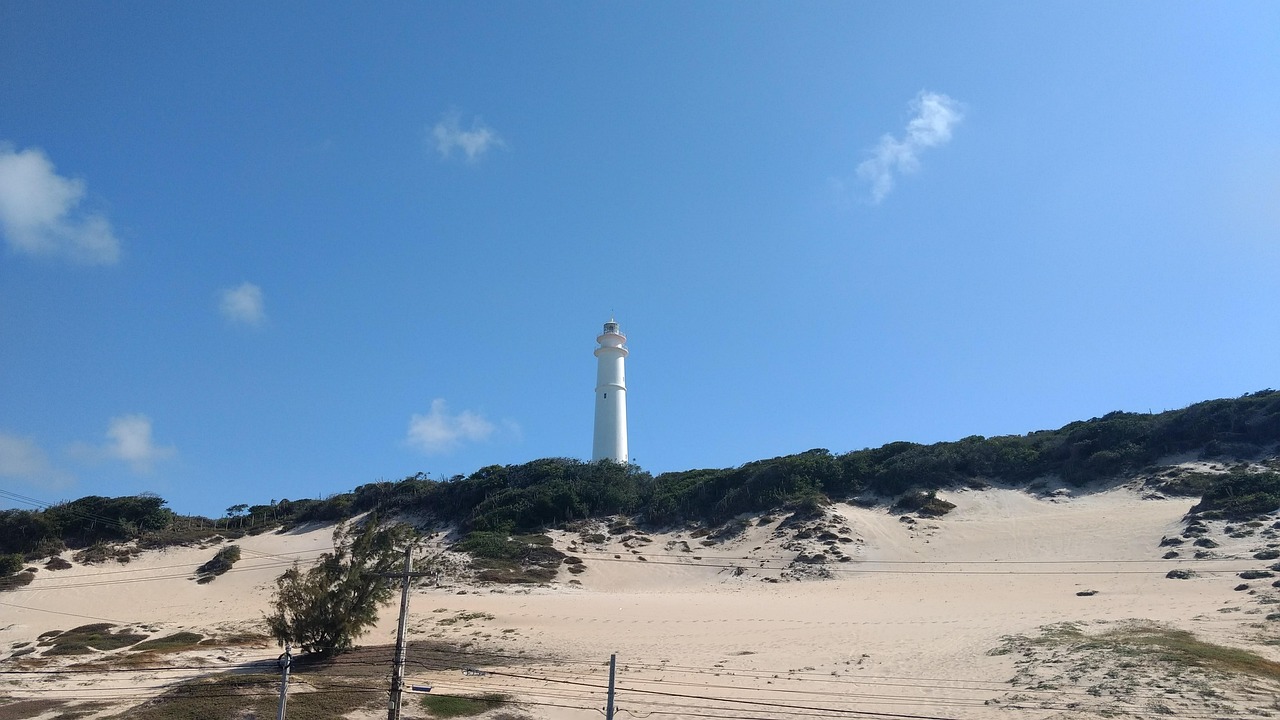
Rio Grande do Norte occupies the northeastern corner of Brazil, where the coast turns west. The eastern shore around Natal is a sequence of dunes, lagoons, reefs and red cliffs, while the northern coast is windswept and lined with salt pans, and most of the interior is semi-arid sertão. Natal, founded on Christmas Day 1599 beside the star-shaped Forte dos Reis Magos, is known as the City of the Sun, and the state played a strategic role in the Second World War as an Allied air base linking South America with West Africa. Local culture draws on fishing villages, sertão cattle traditions and the Catholic heritage of the Martyrs of Cunhaú and Uruaçu, canonised in 2017.
For agencies the state offers a compact, easy-to-operate beach product. Buggy excursions over the Genipabu dunes, the cliffs and dolphin bay of Pipa, and the kite and windsurf coast of São Miguel do Gostoso combine well with Natal's hotel base, while inland Mossoró and the Seridó add heritage and June festival content. Natal's airport, about 25 km from the city at São Gonçalo do Amarante, handles domestic hubs and a small number of international routes. It is well suited to FIT, families, incentive groups and conventions, with the drier months the preferred window.
The coast is driest and sunniest from about September to January; rain is concentrated between March and August, peaking around June. Temperatures are warm and stable all year.
Destinations 2
Destinations in this state covered by YourBrasil ground services.
Natal
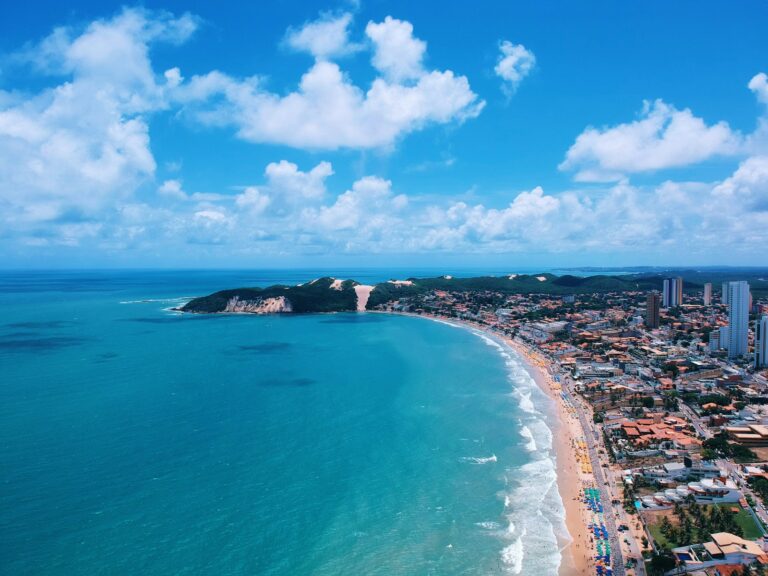
Natal, capital of Rio Grande do Norte, sits at the north-eastern corner of Brazil where the Potengi River meets the Atlantic. The city was…
Explore →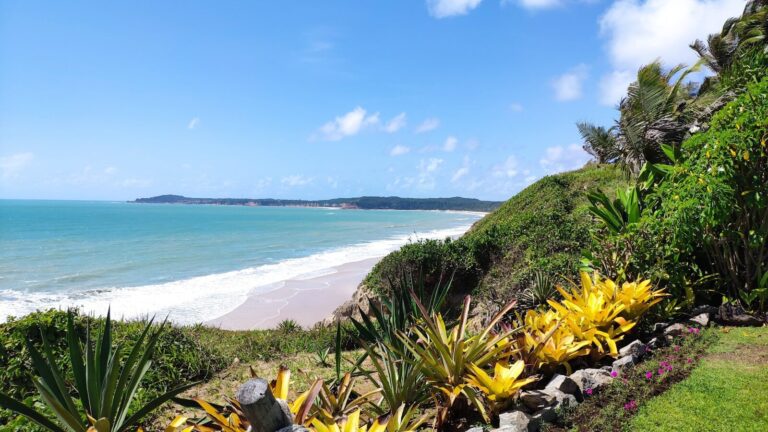
Pipa
Pipa is Rio Grande do Norte's best-known coastal village, a stretch of roughly eleven cliff-backed beaches in the municipality of Tibau do Sul, about…
Explore →Timeline
- 1598-1599
The Portuguese begin the Forte dos Reis Magos and found Natal on 25 December 1599.
- 1633-1654
The Dutch occupy the captaincy, as part of Dutch Brazil.
- 1645
Massacres of Catholic settlers at Cunhaú and Uruaçu; the victims are canonised in 2017 as the Martyrs of Natal.
- 1883
Mossoró abolishes slavery on 30 September, five years before national abolition.
- 1927
Mossoró's residents repel an attack by the cangaceiro Lampião and his band.
- 1928
Celina Guimarães Viana casts the first female vote in Brazil, in Mossoró.
- 1943-1945
Parnamirim Field near Natal serves as a strategic Allied base for flights between South America and West Africa.
- 1965
The Barreira do Inferno Launch Center in Parnamirim carries out its first rocket launch.
Landmarks
Forte dos Reis Magos
Star-shaped fortress at the mouth of the Potengi River, founded in 1598 and listed by IPHAN in 1949.
Ponta Negra and Morro do Careca
Natal's main hotel beach, backed by a large bare dune.
Genipabu
Dune and lagoon environmental protection area about 20 km north of Natal, known for buggy excursions.
Pipa
Former fishing village in Tibau do Sul with cliffs, Atlantic Forest remnants and the Baía dos Golfinhos.
Cajueiro de Pirangi
A vast cashew tree at Pirangi do Norte, a classic stop on the southern coast.
São Miguel do Gostoso
Northern coast village favoured for kitesurfing and windsurfing.
Mossoró
Sertão city known for its abolitionist history, its resistance to Lampião and its June festivals.
Festivals and events
Carnatal
Off-season carnival with trios elétricos around the Arena das Dunas in Natal, usually in early December.
Mossoró Cidade Junina
Large June festival in Mossoró, including the open-air spectacle Chuva de Bala no País de Mossoró.
Festa de Sant'Ana in Caicó
The Seridó's major religious festival, held in July around the feast of Saint Anne.
1 en.wikipedia.org2 pt.wikipedia.org3 en.wikipedia.org4 commons.wikimedia.org5 cepsbrasil.com.br6 en.wikipedia.org7 pt.wikipedia.org8 en.wikipedia.org9 en.wikipedia.org10 en.wikipedia.org11 en.wikipedia.org12 en.wikipedia.org13 en.wikipedia.org14 en.wikipedia.org15 en.wikipedia.org16 en.wikipedia.org17 pt.wikipedia.org18 pt.wikipedia.org19 climatestotravel.com
← All destinations