
Macapá
All of Brazil, within reach.

Adopted in 1984, the flag uses green for the forests, yellow for mineral wealth, blue for the sky, white for peace and black in honour of those who died for the state. The geometric emblem on the left represents the Fortaleza de São José de Macapá.
Macapá in pictures
About Macapá
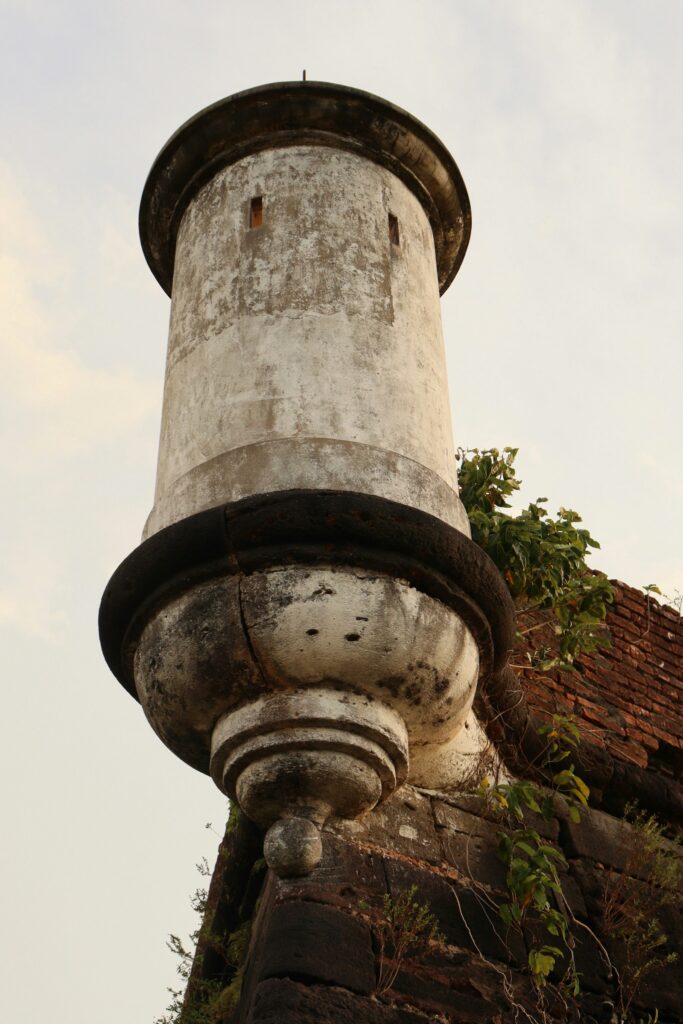
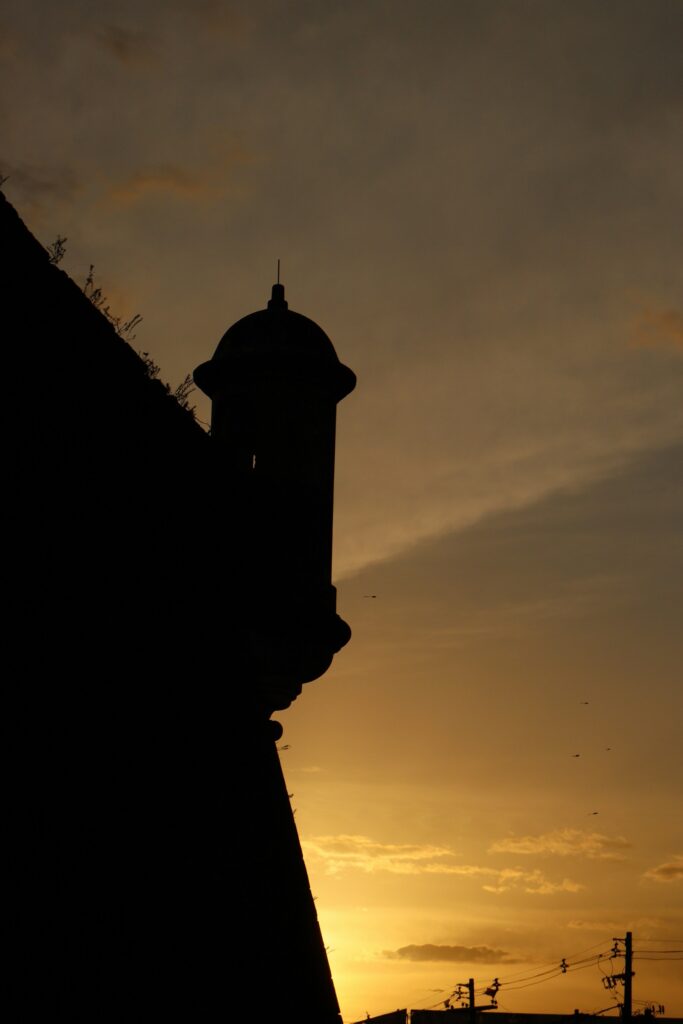
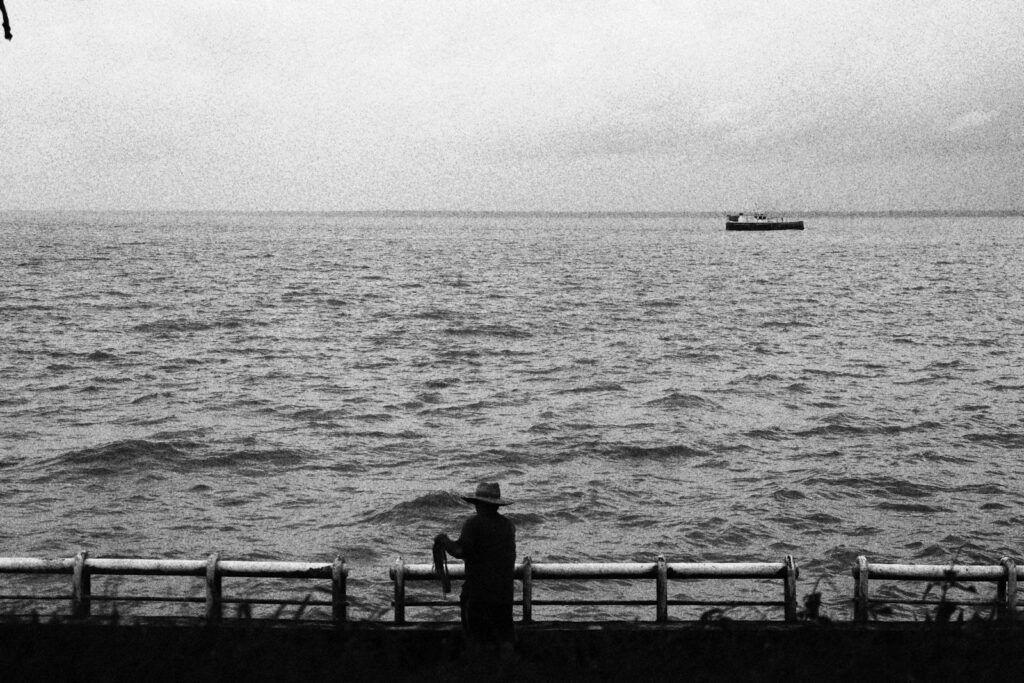
Macapá, capital of Amapá, sits on the northern channel of the Amazon delta, close to the Atlantic, and is the only Brazilian state capital crossed by the equator. Founded by the Portuguese in 1758, the city is anchored by the Fortaleza de São José, a Vauban-style star fort completed in 1782, and by a long riverfront where the Amazon is the horizon. Afro-Brazilian traditions run deep here, above all Marabaixo, recognised as Cultural Heritage of Brazil. Beyond the capital, Amapá is one of the most intact states in the country: around 72% of its territory lies within protected areas and indigenous lands, including Tumucumaque Mountains, the world's largest tropical forest national park, and the coastal mangroves of Cabo Orange. For agencies, Macapá suits short equatorial and cultural extensions from Belém, special-interest programs around the equinoxes, and expedition-style itineraries for clients drawn to remote Amazonia, river communities and the French Guiana border. Logistics call for honest planning: Amapá has no road link to any other Brazilian state, so access is by air or by river, and the parks are reached by boat with basic, camping-level infrastructure. Lead times, weather windows and flexible routing matter more here than in most of Brazil.
Aeroporto Internacional de Macapá, Alberto Alcolumbre
Amapá's main gateway, with domestic flights chiefly via Belém and Brasília, operated by Norte da Amazônia Airports (NOA) since 2023.
How Macapá came to be
Sourced milestones your team can use for guest briefings and storytelling, not filler copy.
Curiosities & practical notes
What's on the table
Camarão no bafo
Fresh shrimp steamed with salt and lime, often finished with a touch of cachaça and pepper, a classic of the Amapá table.
Tacacá
An Indigenous-rooted hot broth of tucupi, the yellow cassava extract, with tapioca, shrimp and jambu leaves.
Gurijuba
A firm, white-fleshed Amazonian catfish, prepared as a stew or in tucupi sauce.
Caldeirada de tucunaré
A generous fish stew of tucunaré with potatoes, onions and boiled eggs, served with white rice.
Açaí
Served the northern way, as a thick, unsweetened pulp of the fruit, often mixed with cassava flour.
Cupuaçu desserts
Bonbons and puddings made with cupuaçu, an Amazonian fruit with a distinctive sweet and tart flavour.
What there is to see
Marked where a site carries UNESCO World Heritage status directly, versus a locally or nationally protected landmark.
Marco Zero do Equador
A 30 metre obelisk inaugurated in 1987 on the equator, where visitors stand with one foot in each hemisphere.
Fortaleza de São José de Macapá
An 18th-century Portuguese star fort with four bastions on the Amazon riverfront, listed by IPHAN in 1950 and now a museum and cultural space.
Trapiche Eliezer Levy
A historic pier begun in 1936 and revitalised from 2017, reaching out over the Amazon with restaurants and river views.
Museu Sacaca
A museum of sustainable development whose open-air circuit recreates Waiãpi and Palikur houses, a riverside home, a flour house and a trading boat.
APA do Rio Curiaú
A protected area of flooded fields and várzea forest about 5 km from central Macapá, home to historic quilombola communities.
Vila de Serra do Navio
A planned 1950s mining company town listed by IPHAN in 2010 and a gateway to the Amapari sector of Tumucumaque.
Parque Nacional Montanhas do Tumucumaque
The world's largest tropical forest national park, reached by aluminium boat for camping, trails and wildlife observation.
Parque Nacional do Cabo Orange
A coastal park of mangroves, flooded fields and forest on the French Guiana border, protecting manatees, sea turtles and jaguars.
What else we brief agencies on
This is what we prepare for every RFP, whether or not it's published on this page yet:
On request for every proposal
- Best season / weather windows and blackout dates for groups & MICE
- Permit and quota logistics for regulated attractions, lead time and group-size caps
- Accessibility notes and physical-difficulty ratings per activity
- Vetted ground partners, guides and transport already used on past programs
- Sustainability / certification credentials relevant to client RFPs, where they genuinely exist
- Real, checked room and vehicle availability for your travel dates, not a generic quote
