
Amapá
Equatorial Amazon state on the French Guiana border: Macapá on the equator, a colonial fortress, Afro-Brazilian traditions and some of Brazil's largest protected areas.

The state
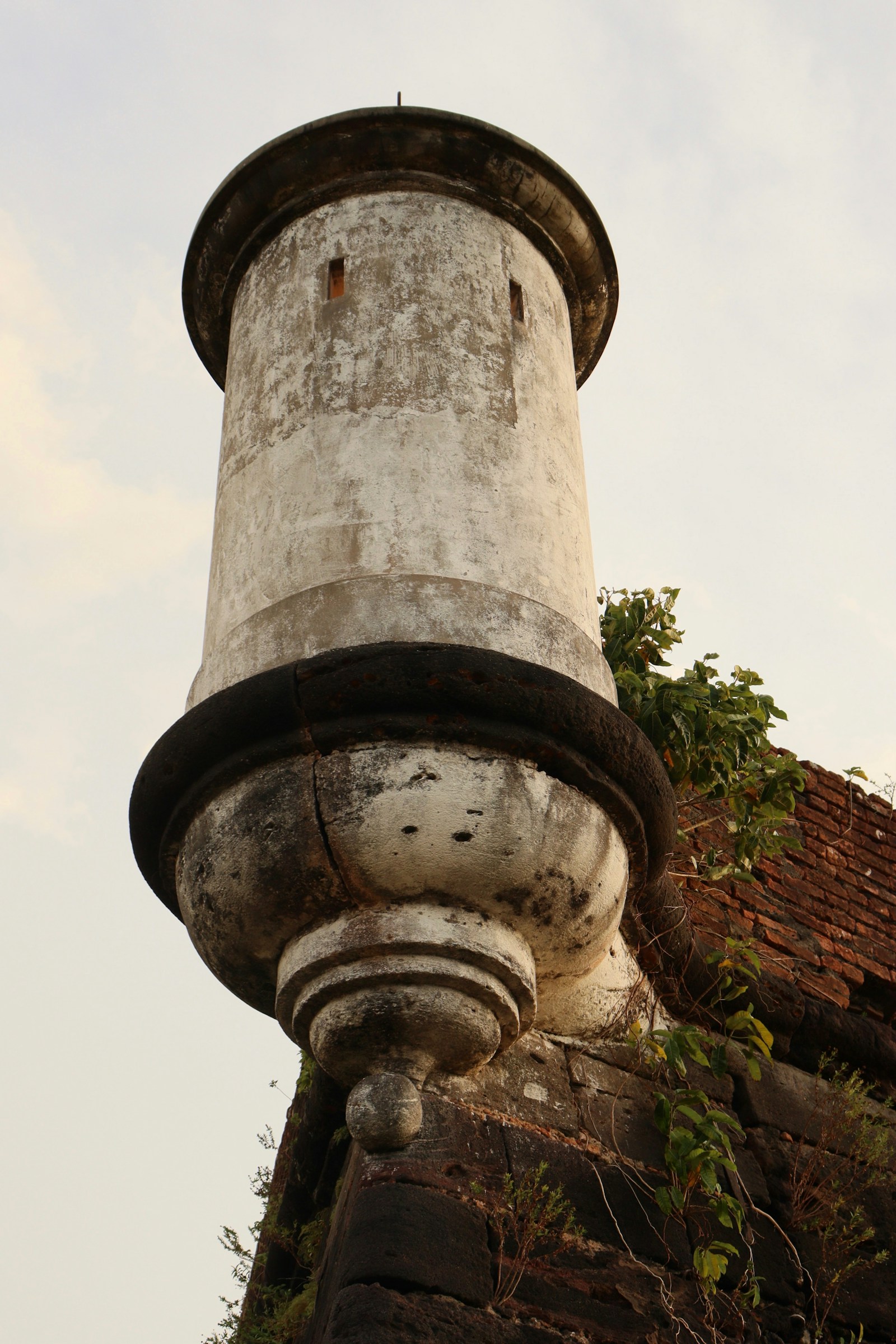
Amapá lies on the northern bank of the Amazon mouth, bordered by French Guiana and Suriname, and is crossed by the equator in its capital, Macapá. Its identity blends a long frontier history, settled in Brazil's favor by Swiss arbitration in 1900, with strong Afro-Brazilian traditions such as the Marabaixo and the Festa de São Tiago in Mazagão Velho, founded by settlers relocated from a Portuguese outpost in Morocco. Around seven tenths of the territory is set aside as protected areas, indigenous lands and quilombola territories, including Tumucumaque Mountains National Park, one of the largest tropical forest national parks in the world.
For agencies, Amapá works as a niche extension to Belém or as a special-interest destination: equator and equinox experiences, colonial heritage, Afro-Amazonian culture, river communities and nature-based programs for small groups. It also offers an unusual overland crossing to French Guiana via the binational bridge at Oiapoque. Logistics require care: the state has no road connection to the rest of Brazil, so access is by air to Macapá or by boat from Belém, and remote parks such as Tumucumaque and Cabo Orange have minimal visitor infrastructure and need advance permits and specialist operators.
The drier season, roughly August to November, is the most comfortable window, with September usually the driest month in Macapá. The wet season runs from about December to July, and the March and September equinoxes bring special events at the Marco Zero monument.
Destinations 3
Destinations in this state covered by YourBrasil ground services.
Cabo Orange
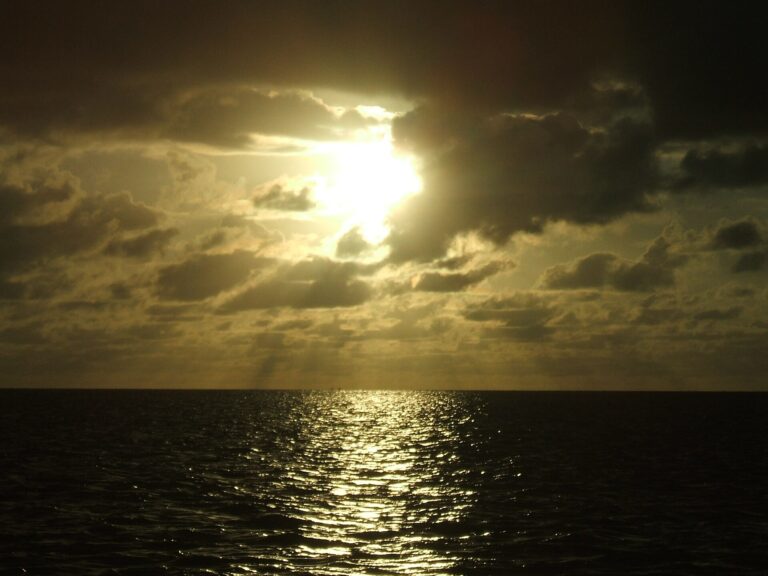
Cabo Orange National Park protects the far northern coast of Amapá, where the Brazilian shoreline ends at the estuary of the Oiapoque River. Created…
Explore →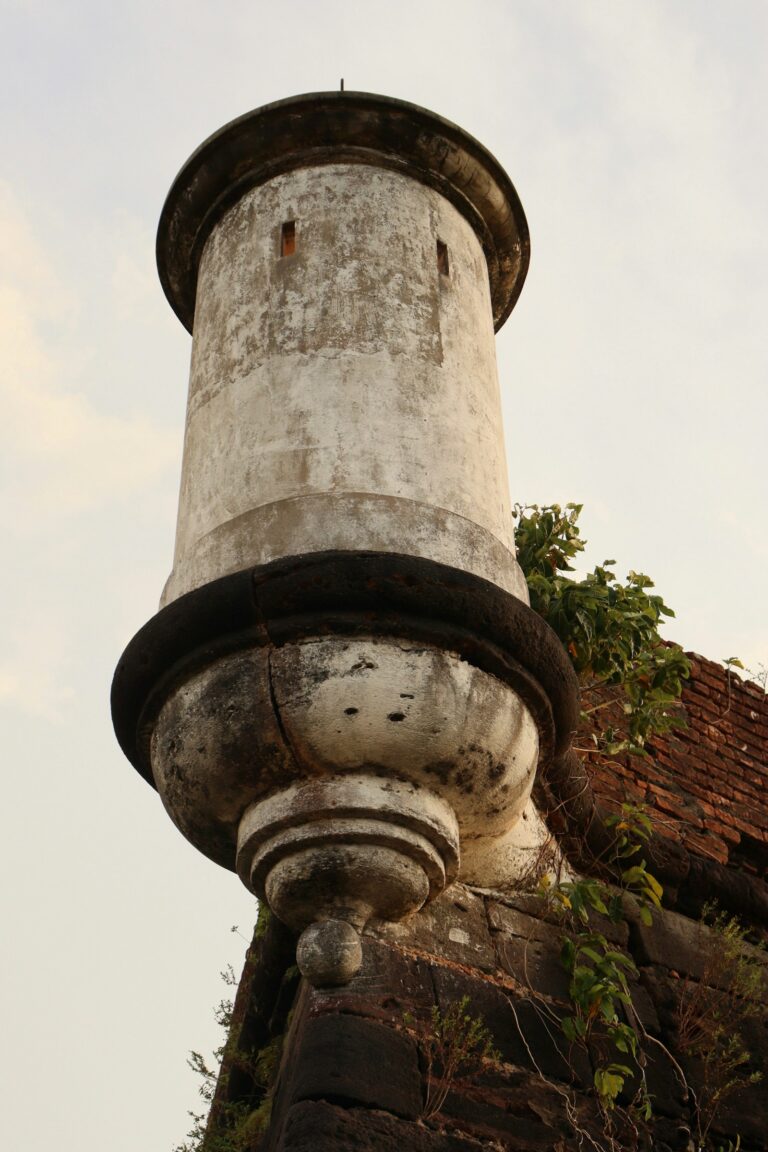
Macapá
Macapá, capital of Amapá, sits on the northern channel of the Amazon delta, close to the Atlantic, and is the only Brazilian state capital…
Explore →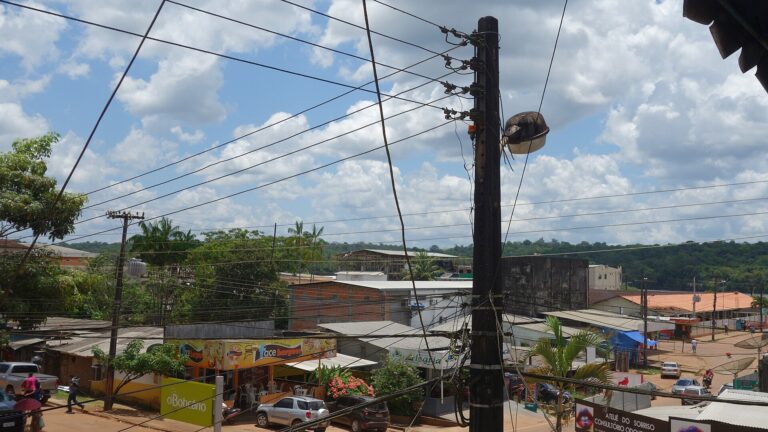
Oiapoque
Oiapoque is the northernmost municipality of Amapá, a river town on the right bank of the Oiapoque River facing Saint-Georges-de-l'Oyapock in French Guiana. Its…
Explore →Timeline
- 1713
The Treaty of Utrecht sets the Franco-Portuguese boundary in the region, leaving its exact line disputed for nearly two centuries.
- 1764-1782
Portugal builds the Fortress of São José de Macapá to guard the Amazon mouth.
- 1770s
Families evacuated from the Portuguese colony of Mazagão in Morocco are resettled in what becomes Mazagão Velho.
- 1900
Swiss arbitration resolves the Franco-Brazilian dispute in Brazil's favor, securing roughly 260,000 km² of territory.
- 1943
The Federal Territory of Amapá is created.
- 1950s
Manganese mining at Serra do Navio, with its own railway and port, drives the territory's economic growth.
- 1988
The new Federal Constitution elevates Amapá to statehood, with the state formally installed in 1991.
- 2017
The Franco-Brazilian Binational Bridge over the Oiapoque River opens to traffic, linking Brazil and French Guiana.
Landmarks
Fortaleza de São José de Macapá
Star-shaped Portuguese fortress completed in 1782 on the Amazon riverfront, listed as national heritage since 1950.
Marco Zero do Equador
Monument and sundial on the equator line in Macapá, focal point of the equinox celebrations.
Tumucumaque Mountains National Park
Vast, remote rainforest park on the borders with French Guiana and Suriname, created in 2002.
Cabo Orange National Park
Created in 1980, Brazil's only coastal rainforest national park, with mangroves, flooded fields, manatees and important birdlife; a Ramsar site since 2013.
Mazagão Velho
Historic village founded by settlers from Morocco and home to the Festa de São Tiago.
Oiapoque and the binational bridge
Frontier town on the Oiapoque River, linked by bridge to Saint-Georges-de-l'Oyapock in French Guiana.
Bailique Archipelago
River islands at the mouth of the Amazon with traditional riverside communities.
Festivals and events
Ciclo do Marabaixo
Afro-Brazilian circle dances and drumming in Macapá's traditional neighborhoods, from Easter weekend through the Sunday after Corpus Christi (usually April to June).
Festa de São Tiago
Held in Mazagão Velho in the second half of July, culminating in a re-enactment of the battle between Moors and Christians.
Equinox celebrations
Public events at the Marco Zero monument in Macapá around the March and September equinoxes.
1 en.wikipedia.org2 pt.wikipedia.org3 pt.wikipedia.org4 ibge.gov.br5 educa.ibge.gov.br6 en.wikipedia.org7 pt.wikipedia.org8 pt.wikipedia.org9 en.wikipedia.org10 pt.wikipedia.org11 portal.iphan.gov.br12 en.wikipedia.org13 portalamazonia.com14 en.wikipedia.org15 estadosecapitaisdobrasil.com16 en.wikipedia.org17 en.wikipedia.org18 marsemfim.com.br
← All destinations