
Nobres
All of Brazil, within reach.

A blue field with a white lozenge and a green circle bearing a gold five-pointed star. Blue stands for the sky, white for peace, green for the vast territory and the star for republican ideals and the mineral wealth that drew early settlers; first adopted in 1890 and restored in 1947.
Nobres in pictures
About Nobres
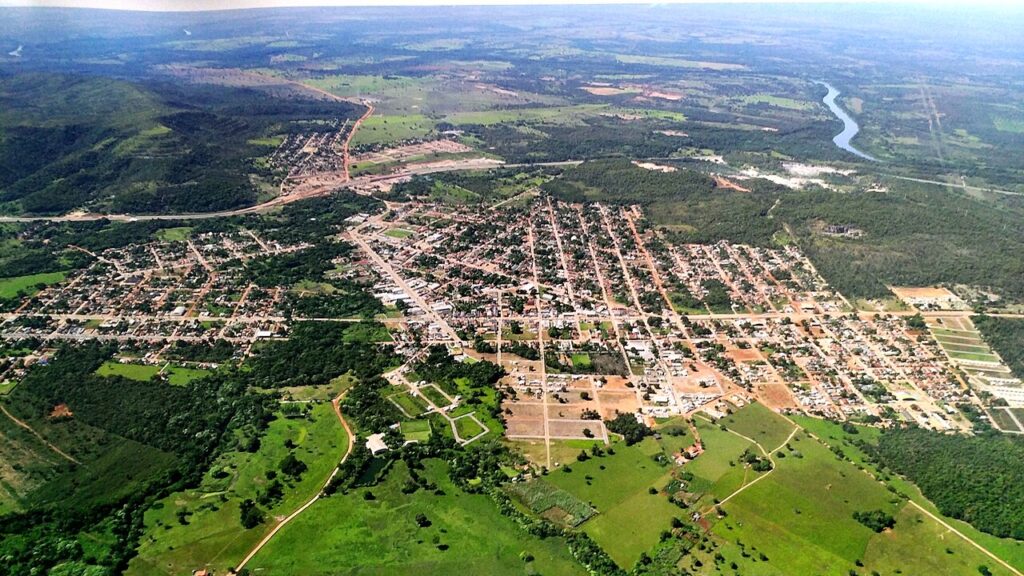
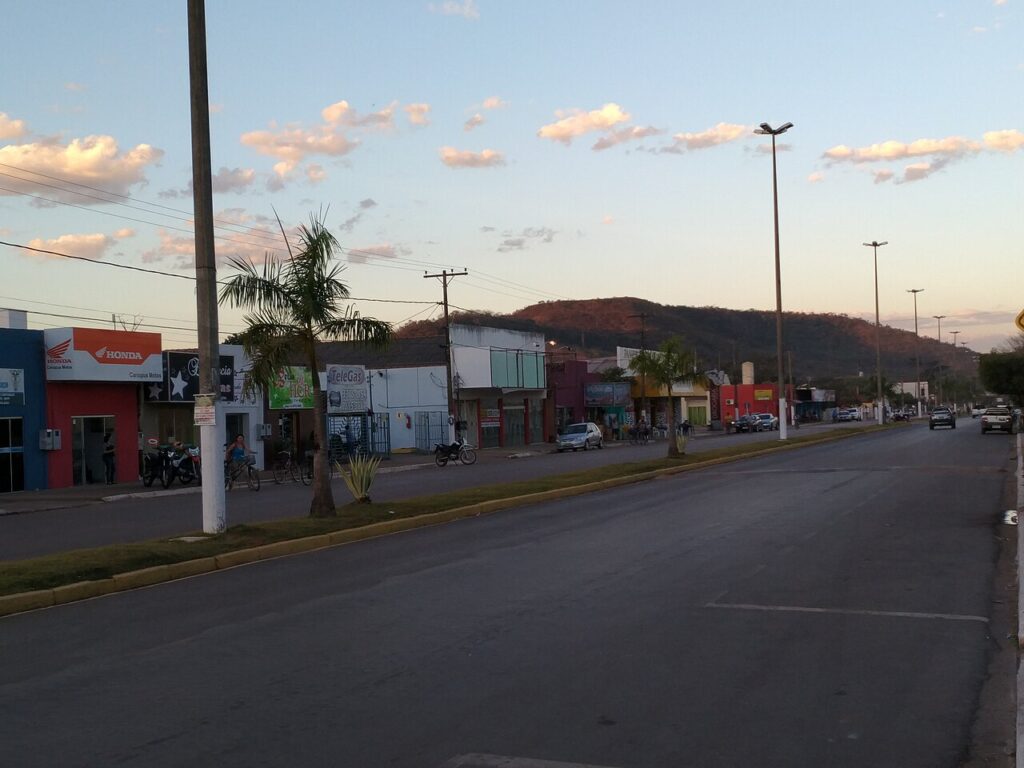
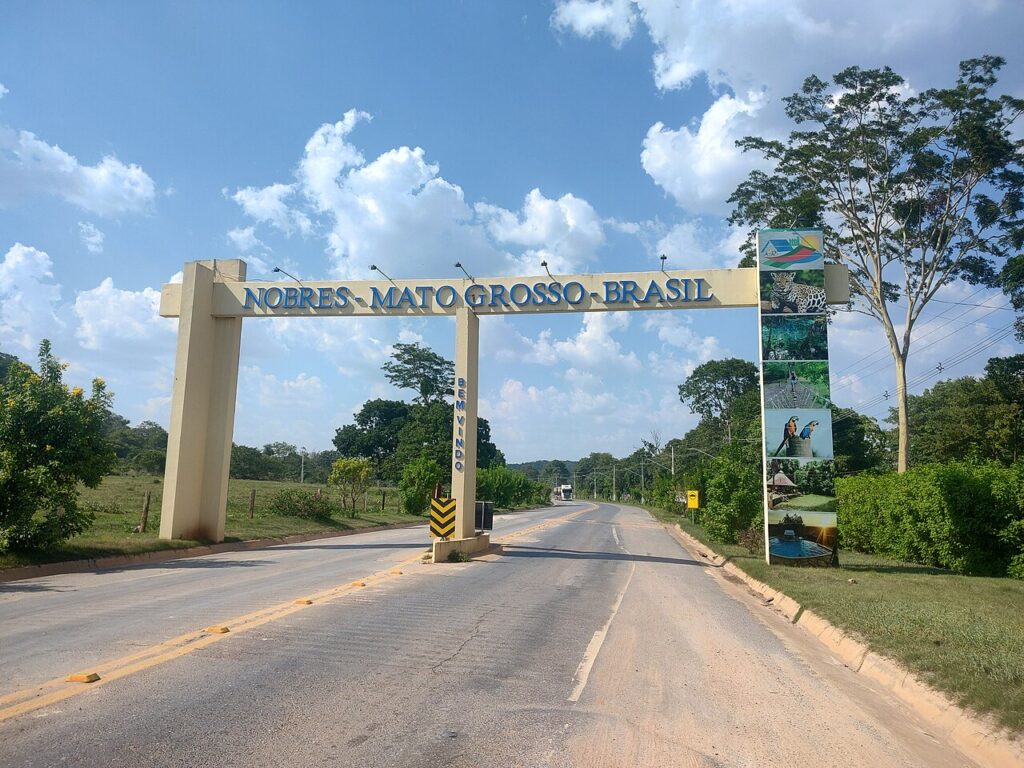
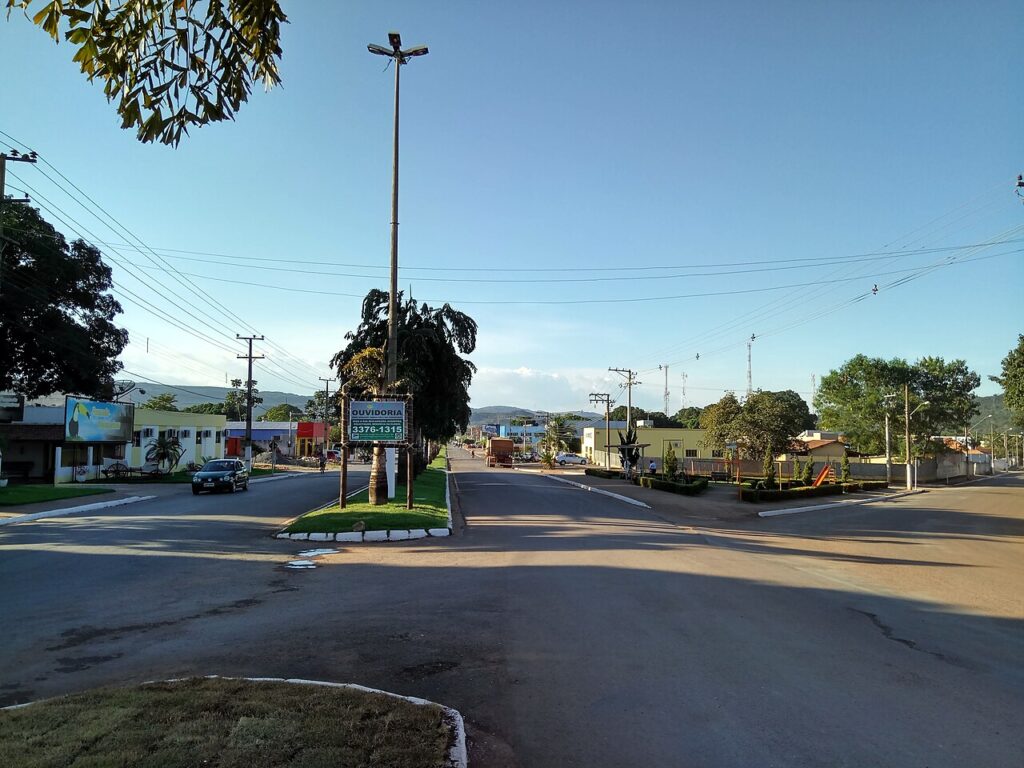
Nobres is a municipality of 15,492 people (2022 census) and about 3,900 km² in central Mato Grosso, some 120 to 140 km north of Cuiabá depending on the route. The town grew as a stopping point on the eighteenth century gold route between Cuiabá and Diamantino, in lands of the Bakairi people, and took its name from the Nobre family, holders of one of the colonial land grants. It became a municipality in 1963. Its economy rests on limestone: nine plants produce more than three million tonnes a year, roughly 60 percent of the state's limestone output, and a Votorantim cement factory has operated since 1991. The town itself, on the Rio Nobres beside the BR-163/364 highway and backed by the Serra do Tombador, is a working service centre rather than a resort. Tourism is spread across the municipality's rural districts, where limestone-filtered springs run exceptionally clear, and in 2020 a state law named Nobres the Sustainable Ecotourism Capital of Mato Grosso. For agencies, Nobres is best understood as the umbrella for a cluster of nature products rather than a base in itself. The main springs and floats, and most pousadas, are in the Bom Jardim district, about 65 km from the town and covered on its own page. The Coqueiral district, around the small village of Vila Roda d'Água, adds quieter options such as river floats at Estância da Mata and Vale das Águas, with chalets and camping, and grew out of a land-reform settlement that pioneered community-based tourism. All attractions are sold through a Digital Single Voucher issued by accredited local agencies, with daily capacity limits. Honest logistics: the drive from Cuiabá airport takes about two hours, and the most direct road to the tourist districts bypasses the town and its truck traffic. The dry season from May to September brings the clearest water, and many sites sit on unpaved roads, so private transfers are the practical choice.
Várzea Grande–Marechal Rondon International Airport
Mato Grosso's main gateway in Várzea Grande, operated by Aeroeste since 2019, with Azul, Gol and LATAM links to São Paulo, Brasília and other Brazilian cities.
How Nobres came to be
Sourced milestones your team can use for guest briefings and storytelling, not filler copy.
Curiosities & practical notes
What's on the table
Pacu assado
Firm-fleshed pacu river fish seasoned with lime and garlic, often stuffed with banana farofa and roasted until the skin is crisp.
Caldo de piranha
A broth made from piranha, seasoned with garlic, onion, pepper and herbs and served with manioc flour.
Mojica de pintado
Pieces of pintado catfish cooked in a sauce of onion, garlic, tomato and pepper and thickened with cassava, a riverside classic.
Maria Isabel
Rice cooked with shredded dried beef, garlic, onion and pepper, a practical dish of the Mato Grosso interior.
Farofa de banana-da-terra
Plantain fried and mixed with manioc flour for a sweet and savoury side dish, the usual partner of grilled fish.
Furrundu
A traditional sweet of green papaya cooked with rapadura and spices such as clove, cinnamon and ginger.
What there is to see
Marked where a site carries UNESCO World Heritage status directly, versus a locally or nationally protected landmark.
Serra do Tombador
The range that frames Nobres town, with waterfalls, caves and archaeological sites with rock paintings.
Rio Nobres
The small river that crosses the town centre beneath the bridge of Avenida Getúlio Vargas.
Vila Roda d'Água
The small village of the Coqueiral district, a quieter lodging alternative with holiday homes and access to nearby floats.
Estância da Mata
A riverside property in Vila Roda d'Água with a gentle float of about 800 m on the Quebó da Mata river, bathing areas, camping and chalets.
Vale das Águas
A clear-water float in Vila Roda d'Água, about 50 km from Nobres town.
Águas do Cuiabá protected area
A cerrado conservation unit of about 11,300 hectares, 82 percent in Nobres, created as a state park in 2002 to protect the upper Rio Cuiabá; not set up for tourism.
What else we brief agencies on
This is what we prepare for every RFP, whether or not it's published on this page yet:
On request for every proposal
- Best season / weather windows and blackout dates for groups & MICE
- Permit and quota logistics for regulated attractions, lead time and group-size caps
- Accessibility notes and physical-difficulty ratings per activity
- Vetted ground partners, guides and transport already used on past programs
- Sustainability / certification credentials relevant to client RFPs, where they genuinely exist
- Real, checked room and vehicle availability for your travel dates, not a generic quote
