
Mato Grosso
Where the northern Pantanal, Cerrado and southern Amazon meet: jaguar safaris, sandstone plateaus and river lodges for wildlife-focused FIT and small groups.

The state
Mato Grosso is Brazil's third-largest state and one of the few places where three major biomes meet: the Amazon rainforest in the north, the Cerrado on the central plateaus and the Pantanal wetlands in the southwest. Cuiabá, founded during the 1719 gold rush, keeps a distinctive regional culture of cururu and siriri music played on the viola de cocho, riverside fish cookery and Afro-Brazilian festivities, while the colonial first capital, Vila Bela da Santíssima Trindade, lies near the Bolivian border. Today the state is also a leading agribusiness region, which shapes its road network and business travel.
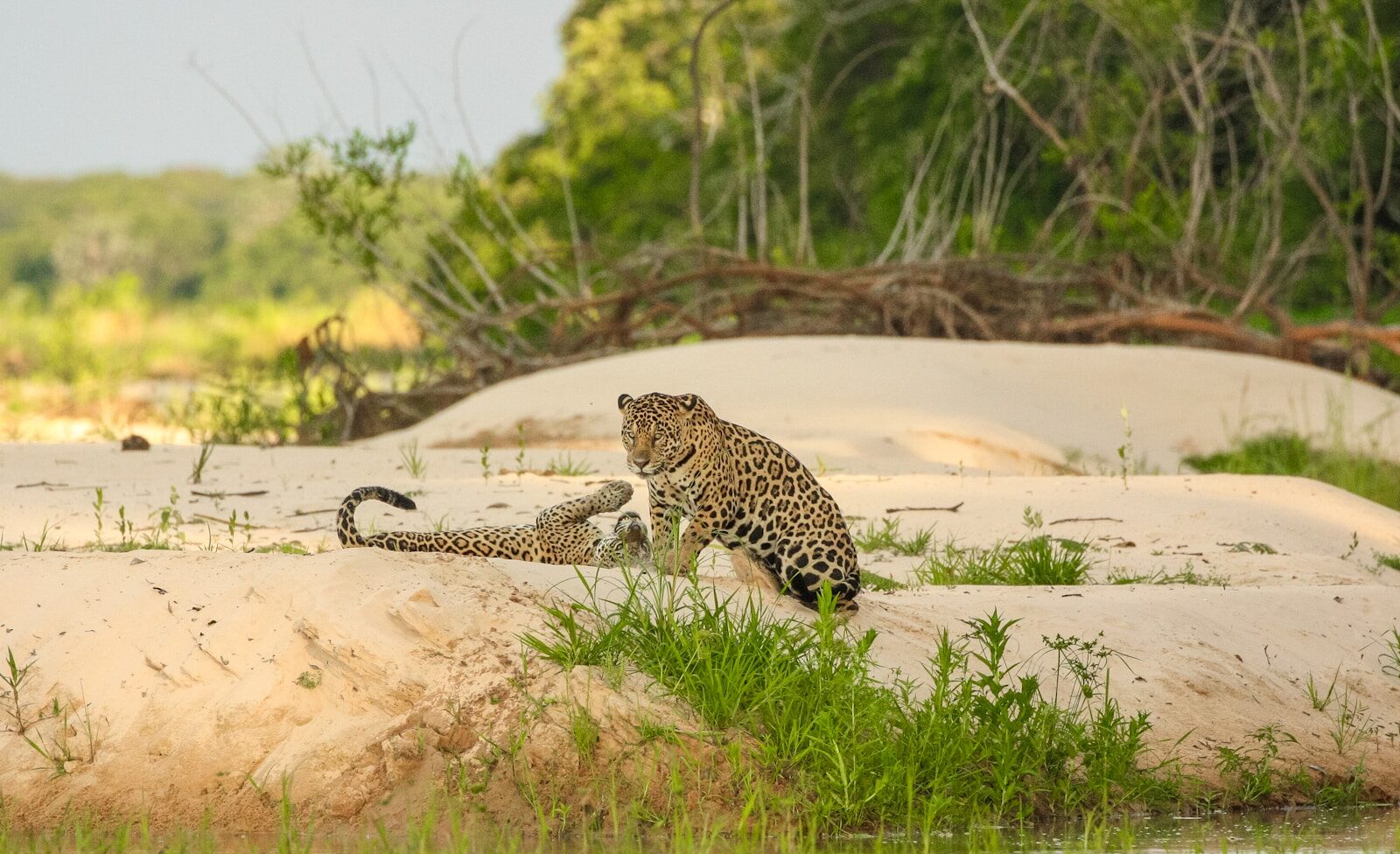
For agencies, Mato Grosso is the classic entry to the northern Pantanal: the Transpantaneira road from Poconé to Porto Jofre gives access to fazenda lodges and boat-based jaguar watching on the rivers of the Encontro das Águas area. It pairs naturally with Chapada dos Guimarães, less than two hours from Cuiabá, and with the clear-water springs of Nobres, and it suits FIT, photography and birding groups, and private family safaris. Logistics note: the state runs one hour behind Brasília, distances are long and unpaved stretches are common, so programs need experienced drivers and buffer time. Southern Amazon lodges are reached via Alta Floresta.
The dry season, roughly July to October, is the prime window for Pantanal wildlife and jaguar sightings as animals concentrate along the rivers; from about December to May the plains flood, landscapes turn green and wildlife disperses.
Destinations 4
Destinations in this state covered by YourBrasil ground services.
Bom Jardim
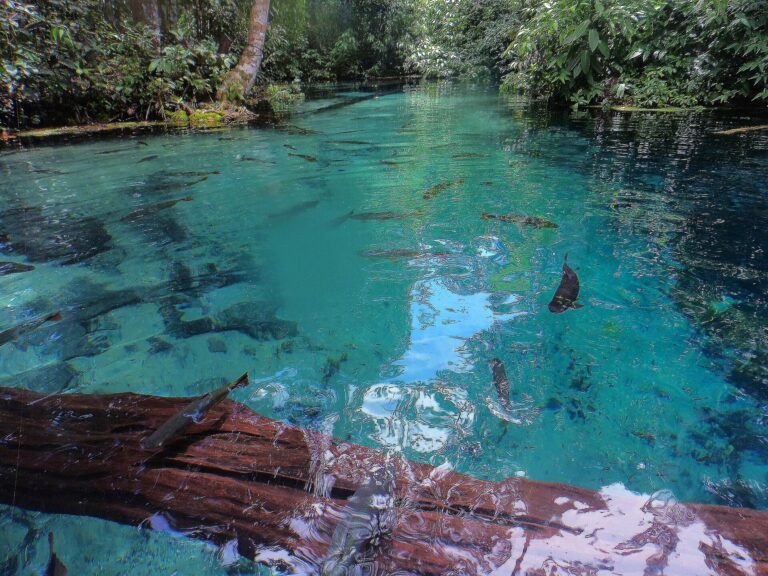
Bom Jardim is a district of the municipality of Nobres, about 65 km from Nobres town and roughly 140 to 150 km from Cuiabá,…
Explore →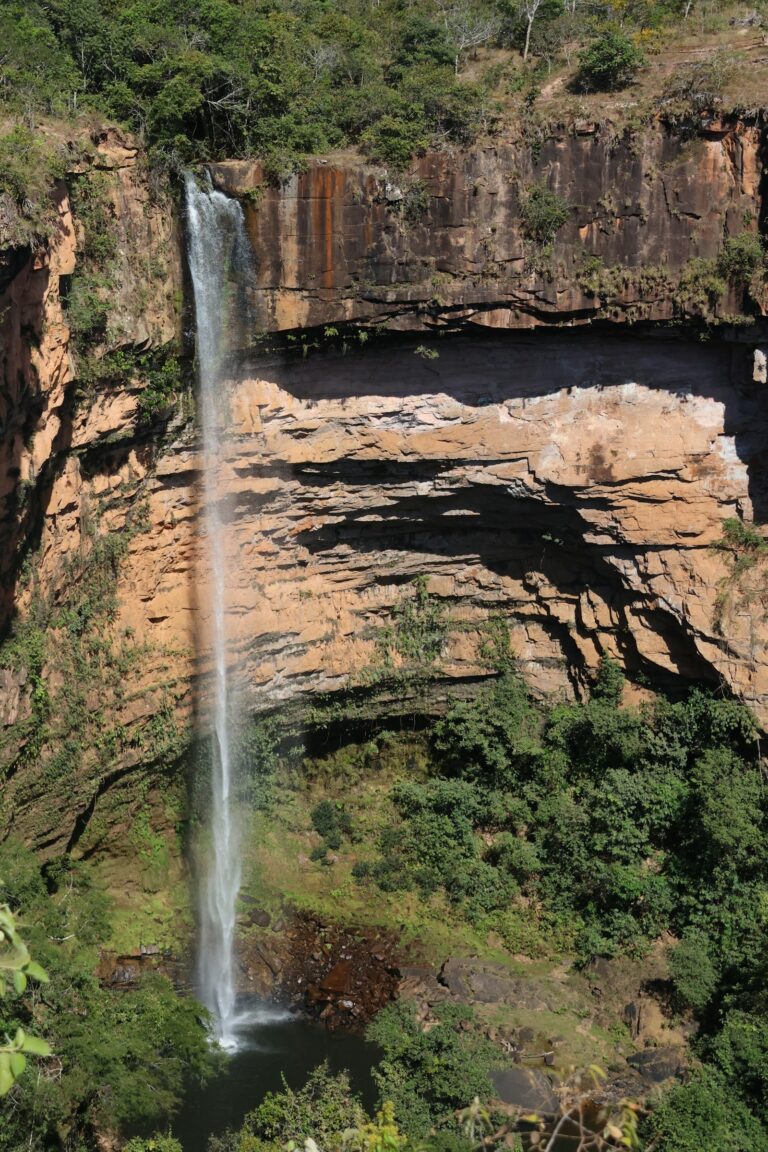
Chapada dos Guimarães
Chapada dos Guimarães is a sandstone plateau of the Cerrado about 65 km from Cuiabá, capital of Mato Grosso, reached in roughly an hour…
Explore →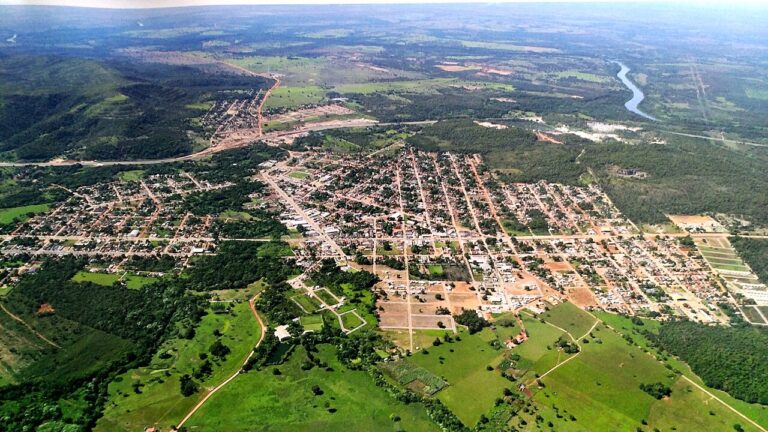
Nobres
Nobres is a municipality of 15,492 people (2022 census) and about 3,900 km² in central Mato Grosso, some 120 to 140 km north of…
Explore →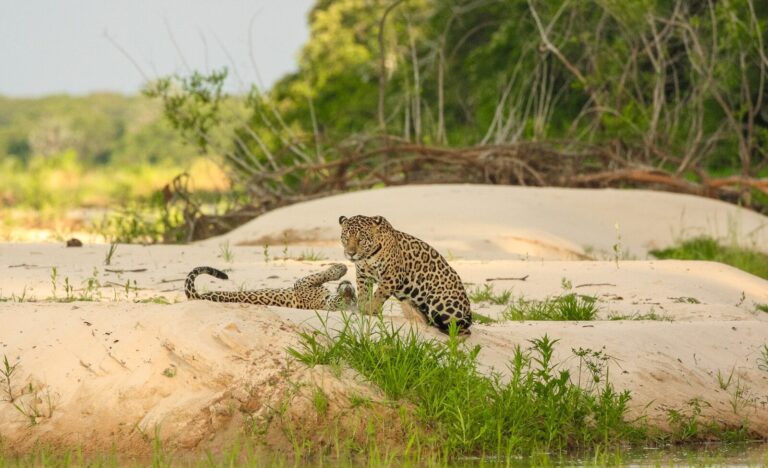
Pantanal
The Pantanal is the world's largest tropical wetland, spanning the states of Mato Grosso and Mato Grosso do Sul and recognized by UNESCO as…
Explore →Timeline
- 1719
The mining camp of Cuiabá is founded after gold is discovered, and it becomes a town (vila) in 1727.
- 1748
The Captaincy of Mato Grosso is created by royal decree, separated from São Paulo.
- 1752
Vila Bela da Santíssima Trindade is founded on the Guaporé River as the captaincy's first capital.
- 1835
The provincial capital is transferred from Vila Bela to Cuiabá.
- 1864-1870
The Paraguayan War brings invasion and hardship to the province.
- 1961
The Xingu Indigenous Park is created, a pioneering protected territory championed by the Villas-Bôas brothers.
- 1977
The state is divided and its southern portion becomes Mato Grosso do Sul, effective in 1979.
- 1989
Chapada dos Guimarães National Park is created to protect the sandstone escarpments near Cuiabá.
Landmarks
Pantanal Conservation Area UNESCO
Cluster of protected areas around the Pantanal Matogrossense National Park, straddling Mato Grosso and Mato Grosso do Sul.
Chapada dos Guimarães National Park
Red sandstone cliffs, caves and waterfalls such as Véu de Noiva on a plateau above Cuiabá.
Transpantaneira road
Dirt road from Poconé to Porto Jofre lined with lodges, wetlands and abundant birdlife.
Encontro das Águas State Park
River confluence area near Porto Jofre, the main base for boat-based jaguar watching.
Nobres
Limestone country with crystal-clear springs for snorkel floating, including the Aquário Encantado and the Lagoa Azul cave park.
Vila Bela da Santíssima Trindade
The colonial first capital on the Guaporé River, near the Bolivian border, with a strong Afro-Brazilian heritage.
Xingu Indigenous Park
Large Indigenous territory in the north of the state, created in 1961 as a landmark of Brazilian Indigenous policy.
Festivals and events
Festa de São Benedito, Cuiabá
Afro-Brazilian religious festival at the Church of Nossa Senhora do Rosário e São Benedito, from late June into July, with records dating back to 1787.
Festança de Vila Bela
Held in July in honour of São Benedito, featuring the Congo and Chorado dances of the local Afro-Brazilian community.
1 ibge.gov.br2 en.wikipedia.org3 pt.wikipedia.org4 pt.wikipedia.org5 pt.wikipedia.org6 whc.unesco.org7 en.wikipedia.org8 en.wikipedia.org9 en.wikipedia.org10 en.wikipedia.org11 en.wikipedia.org12 en.wikipedia.org13 bcr.iphan.gov.br14 pt.wikipedia.org15 descubramatogrosso.com.br16 pisa.tur.br17 turismo.nobres.mt.gov.br18 en.wikipedia.org
← All destinations