
Acre
Brazil's far-western Amazon frontier: rubber-tapper heritage, pre-Columbian geoglyphs and forest reserves, with road links to Peru via the Interoceanic Highway.

The state
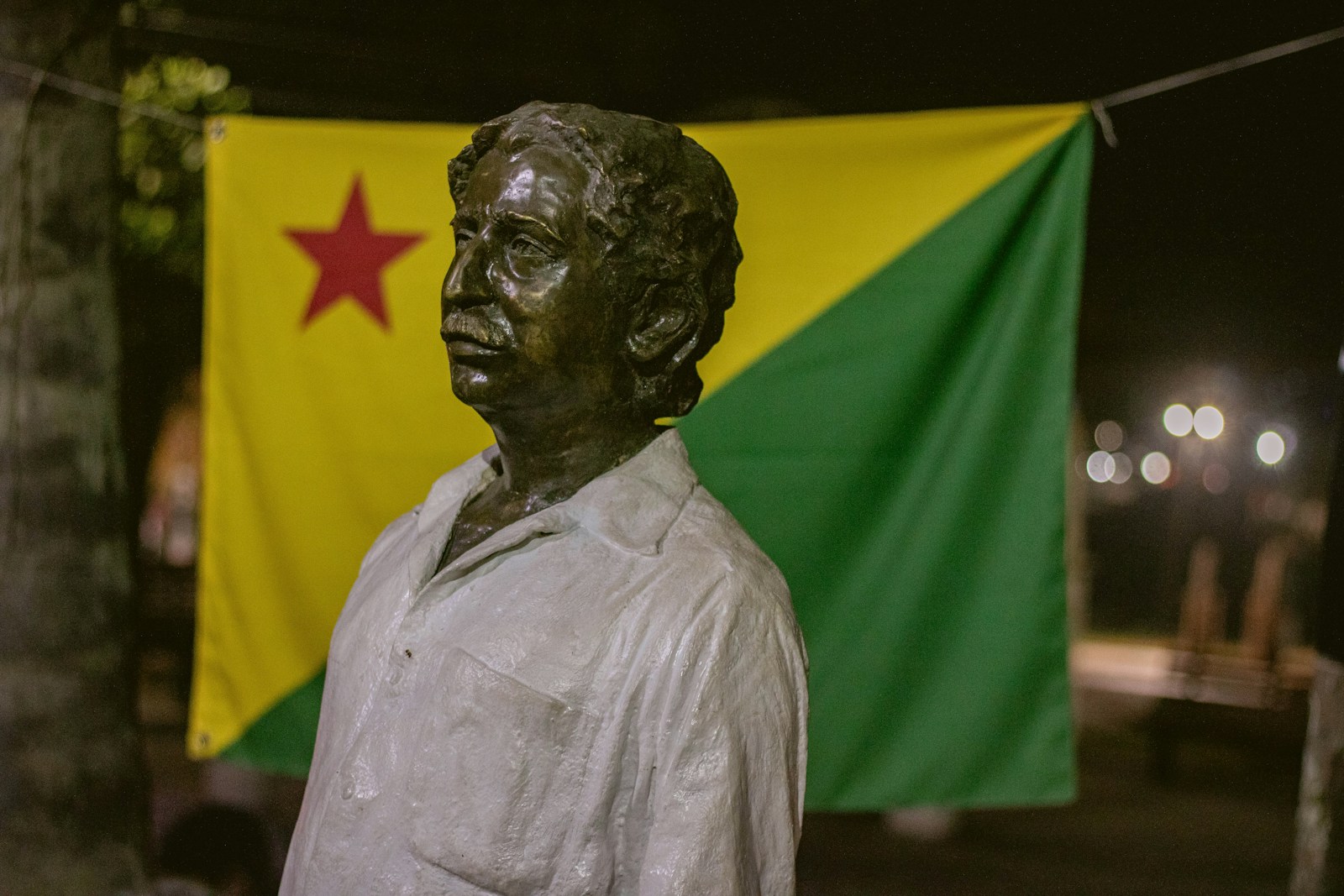
Acre sits at Brazil's western edge, bordering Peru and Bolivia, and was the last major territory added to the country, acquired from Bolivia in 1903 after a conflict fought largely by rubber tappers. That history still shapes its identity: extractive reserves where families harvest latex and Brazil nuts, the legacy of environmental leader Chico Mendes in Xapuri, and the Santo Daime religious tradition born near Rio Branco in the 1930s. The state is also home to hundreds of pre-Columbian geoglyphs, vast geometric earthworks revealed by deforestation and now on Brazil's Tentative List for UNESCO World Heritage.
For agencies, Acre suits special-interest and small-group programs rather than volume tourism: archaeology and aerial geoglyph viewing, forest-community and sustainability themes, indigenous cultural encounters, and overland itineraries toward Peru along the Interoceanic Highway via Assis Brasil. Rio Branco is the practical base with domestic flight connections, while Cruzeiro do Sul, in the Juruá valley, is the gateway to Serra do Divisor National Park, reached mainly by boat and with limited visitor infrastructure. Distances are long and many rural routes depend on river levels, so dry-season scheduling and experienced local operators are essential.
The drier months, roughly June to August or September, offer the most reliable roads and river-beach season. The rest of the year is hot and humid with heavy rainfall of around 2,100 mm annually.
Destinations 3
Destinations in this state covered by YourBrasil ground services.
Cruzeiro do Sul
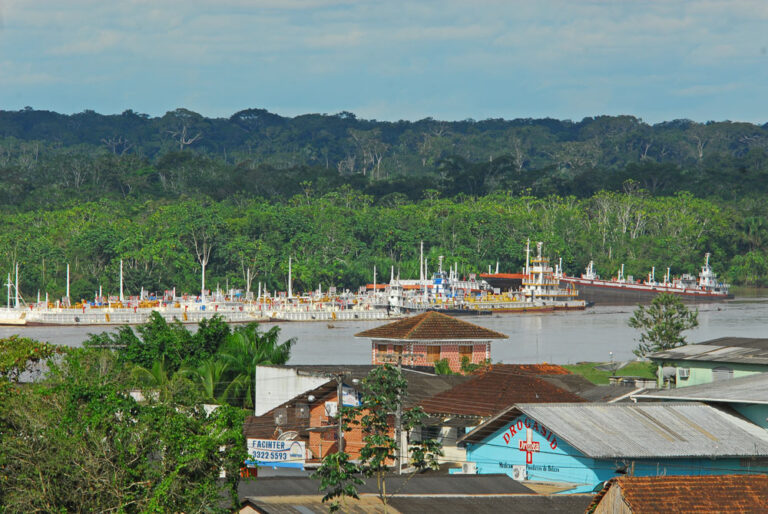
Cruzeiro do Sul is the second city of Acre and the commercial centre of the Juruá valley in Brazil's far west. It was founded…
Explore →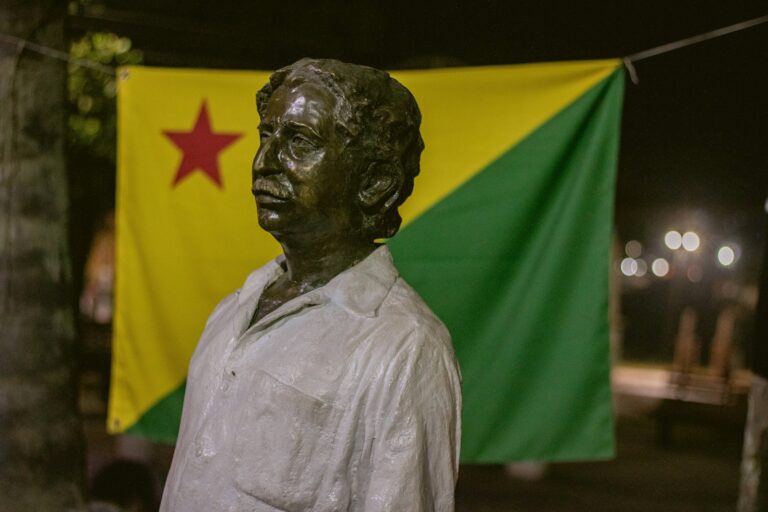
Rio Branco
Acre is Brazil's westernmost state, bordering Peru and Bolivia in the southwestern Amazon. Rio Branco, its capital, grew from a rubber estate founded on…
Explore →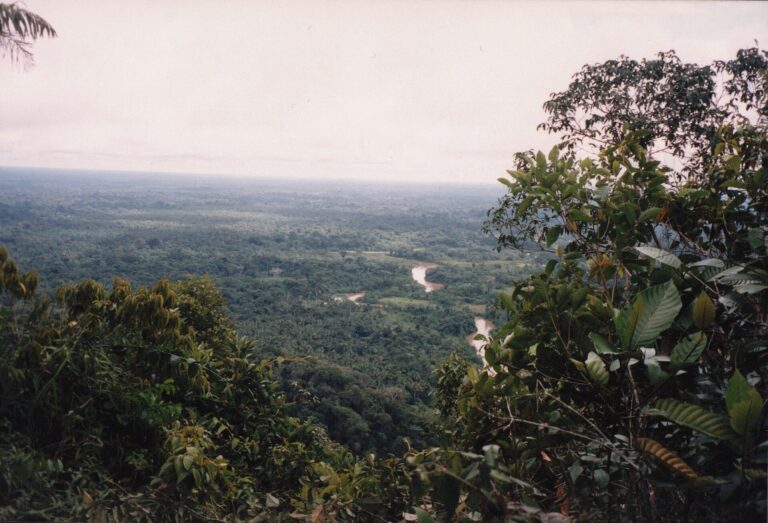
Serra do Divisor
Serra do Divisor National Park lies in the extreme west of Brazil, along the Peruvian border in Acre. Created on 16 June 1989 and…
Explore →Timeline
- Pre-Columbian
Indigenous societies build hundreds of geometric earthworks, the Acre geoglyphs, with dates reaching into the second millennium AD.
- 1882
Rio Branco begins as the rubber estate Seringal Volta da Empresa on the Acre River.
- 1899-1903
Brazilian rubber tappers clash with Bolivia in the Acre War, including the short-lived Independent State of Acre.
- 1903
The Treaty of Petrópolis transfers the territory from Bolivia to Brazil.
- 1904
Acre is organized as a federal territory, with Rio Branco becoming its capital in 1920.
- 1962
Acre is elevated to statehood.
- 1988
Rubber tapper and environmental leader Chico Mendes is killed in Xapuri, drawing global attention to the Amazon.
- 1990
The Chico Mendes Extractive Reserve is created, covering over 930,000 hectares across seven municipalities.
Landmarks
Acre Geoglyphs
Monumental geometric earthworks of pre-Columbian origin in eastern Acre, on Brazil's Tentative List for World Heritage.
Serra do Divisor National Park
Remote mountain rainforest on the Peruvian border with waterfalls and high biodiversity, reached by boat from Cruzeiro do Sul.
Chico Mendes Extractive Reserve
A vast reserve managed by traditional rubber-tapper families, named after the environmental leader.
Xapuri
Small historic town where Chico Mendes was born and lived, with his house preserved as a memorial.
Palácio Rio Branco
The 1930 former seat of government in the capital, now a history museum.
Gameleira and Rio Branco riverfront
The strangler fig marking the city's original settlement site, near the Joaquim Macedo pedestrian bridge over the Acre River.
Museu da Borracha
Rio Branco museum covering archaeology, paleontology and the rubber era.
Festivals and events
Expoacre
The state's major agribusiness and cultural fair in Rio Branco, usually in August, with a Juruá edition in Cruzeiro do Sul in July.
Festival da Farinha
Cruzeiro do Sul's celebration of its Geographical Indication cassava flour, usually held in September.
Festival do Açaí
Held in Feijó, usually in August, celebrating the local açaí harvest with food competitions and cultural shows.
1 en.wikipedia.org2 pt.wikipedia.org3 ibge.gov.br4 educa.ibge.gov.br5 en.wikipedia.org6 en.wikipedia.org7 en.wikipedia.org8 en.wikipedia.org9 en.wikipedia.org10 en.wikipedia.org11 en.wikipedia.org12 en.wikipedia.org13 farturabrasil.com.br14 riobranco.ac.gov.br15 portalamazonia.com16 acreagora.com17 en.wikipedia.org
← All destinations