
Rio Grande do Sul
Gaúcho culture, the wine valleys of the Serra Gaúcha, Gramado and the Jesuit missions: Rio Grande do Sul offers food, wine and heritage programs.

The state
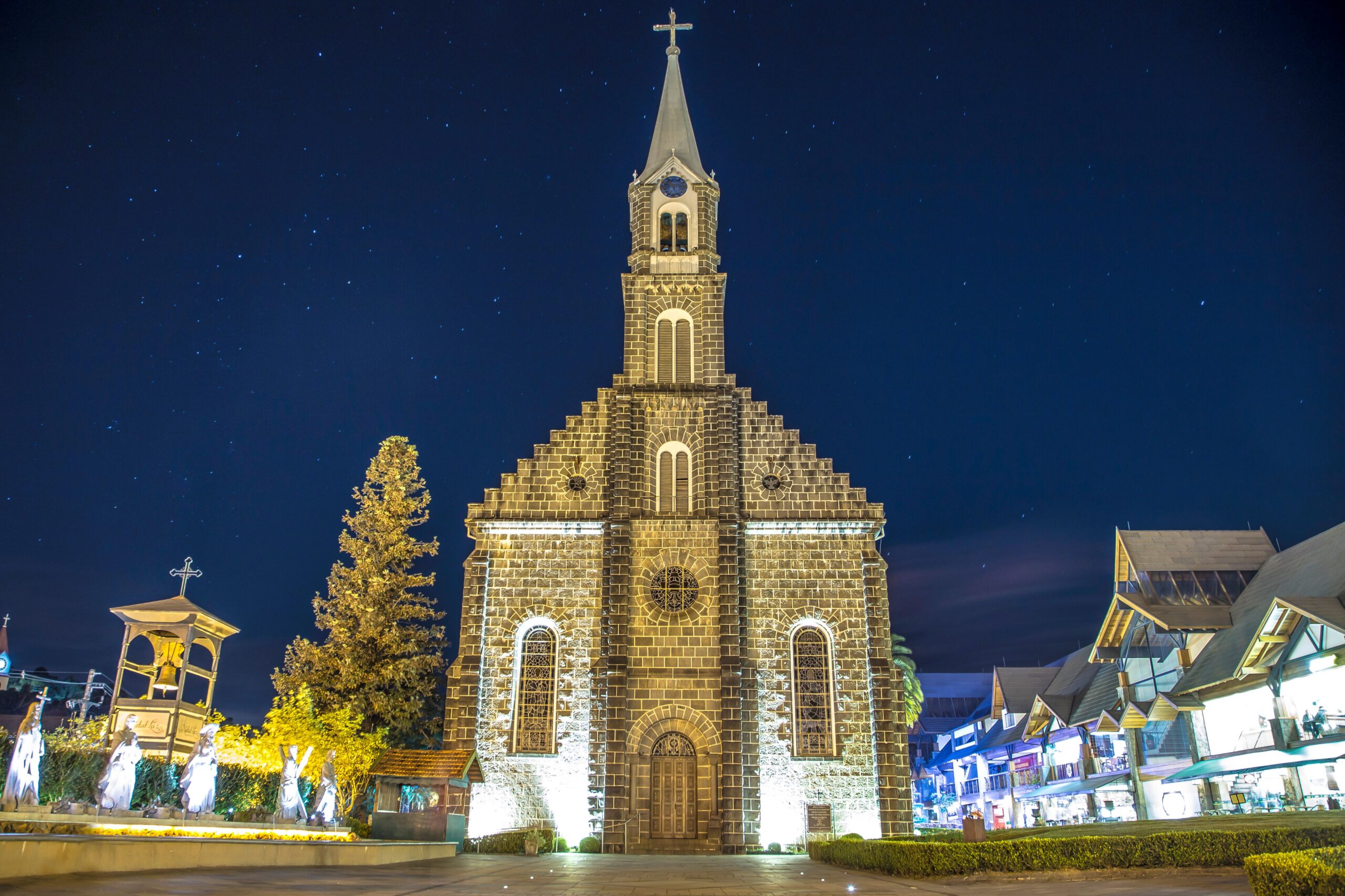
Brazil's southernmost state borders Uruguay and Argentina and has a character of its own. The open grasslands of the Pampa, found in Brazil only here, shaped the gaúcho ranching culture of churrasco, chimarrão and the Semana Farroupilha, while the northeastern highlands of the Serra Gaúcha were settled by German and Italian immigrants from the 19th century. The result is a state of wine valleys around Bento Gonçalves and Caxias do Sul, alpine-style resort towns in Gramado and Canela, deep basalt canyons on the edge of the plateau and the ruins of the Jesuit Guarani missions in the northwest. Porto Alegre, on the shores of Lake Guaíba, is the political and business capital.
For agencies, the Serra Gaúcha is the core product: wine and gastronomy programs, family and group travel, and incentives built around Gramado's events calendar, notably the film festival in August and the long Christmas season. Porto Alegre works for conferences and as the arrival point, with the Serra about two hours away by road. The canyons and the missions reward special-interest itineraries but require longer transfers. Winter brings cold weather and occasional snow in the highlands, which is itself a draw for the domestic market.
The climate is subtropical with four distinct seasons: hot summers in Porto Alegre and cold winters (June to August) with frost and occasional snow in the highlands. Spring and autumn suit touring and the canyons, the grape harvest falls in late summer, and Gramado is busiest in July and during Natal Luz from late October to January.
Destinations 3
Destinations in this state covered by YourBrasil ground services.
Canela
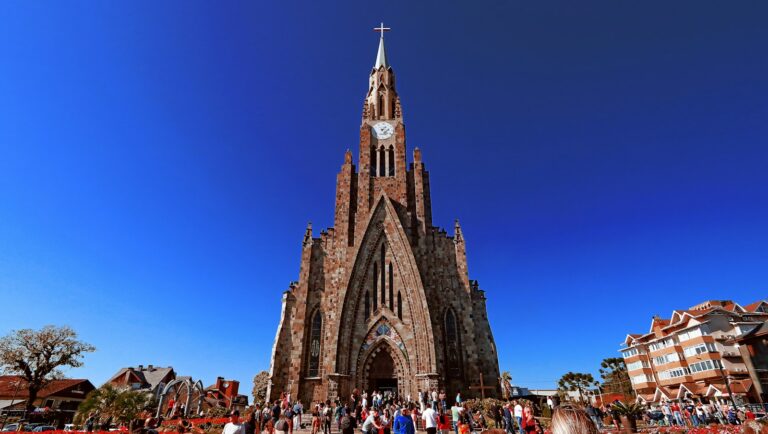
Canela is a Serra Gaúcha town of about 49,000 people (2022 census), at roughly 837 m above sea level and some 123 km by…
Explore →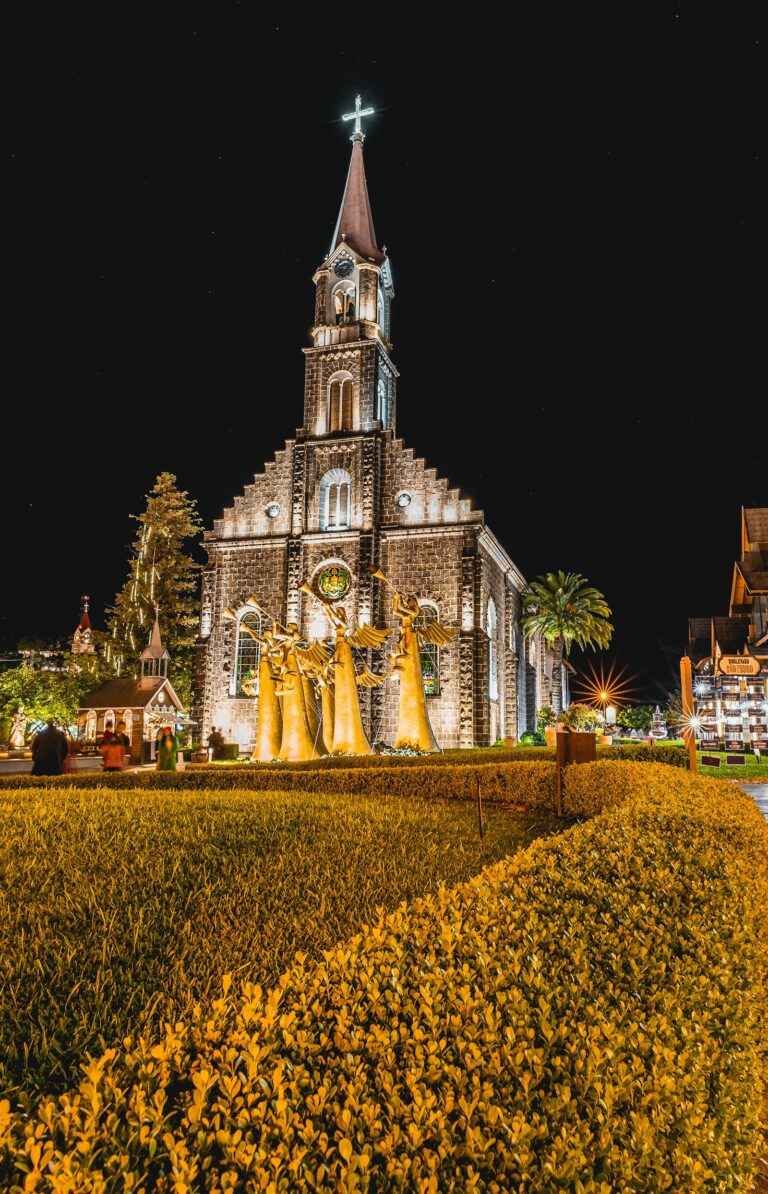
Gramado
Gramado is a resort town of about 40,000 people (2022 census) in the Serra Gaúcha, the highland of north-eastern Rio Grande do Sul, sitting…
Explore →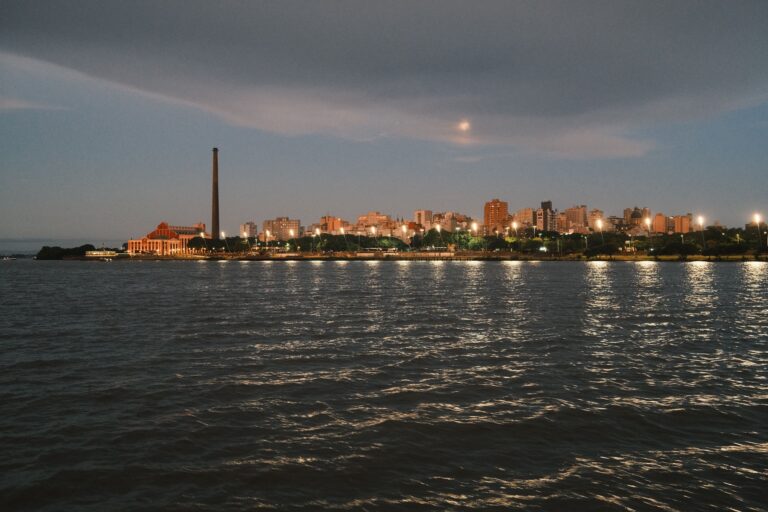
Porto Alegre
Porto Alegre is the southernmost state capital in Brazil and the commercial, political and cultural hub of Rio Grande do Sul, spread along the…
Explore →Timeline
- 17th century
Jesuit missionaries found reductions among the Guarani in the region, later known as the Sete Povos das Missões.
- 1750
The Treaty of Madrid assigns the mission territory to Portugal, leading to the Guarani War.
- 1756
Guarani resistance led by Sepé Tiaraju is crushed by Portuguese and Spanish forces.
- 1772
Porto Alegre is officially founded on Lake Guaíba, following Azorean settlement from 1752.
- 1824
The first German immigrants settle at São Leopoldo, opening a century of European colonisation.
- 1835-1845
The Ragamuffin War (Revolução Farroupilha) sees the proclamation of the Riograndense Republic in 1836.
- 1875
Italian immigrants, mostly from Veneto and Trentino, begin settling the Serra Gaúcha.
- 2024
Severe flooding in May affects much of the state, including Porto Alegre and its airport.
Landmarks
São Miguel das Missões UNESCO
Ruins of the Jesuit mission church of São Miguel Arcanjo, part of the Jesuit Missions of the Guaranis World Heritage property shared with Argentina.
Vale dos Vinhedos
Wine valley between Bento Gonçalves, Garibaldi and Monte Belo do Sul, the heart of Serra Gaúcha wine tourism.
Gramado and Canela
Mountain resort towns with European-style architecture, events and the Caracol waterfall.
Aparados da Serra National Park
Created in 1959 to protect the Itaimbezinho canyon, near Cambará do Sul, adjoining Serra Geral National Park.
Caminhos dos Cânions do Sul UNESCO Global Geopark
Geopark spanning canyons, beaches and waterfalls in seven municipalities of Rio Grande do Sul and Santa Catarina.
Porto Alegre and Lake Guaíba
State capital with a historic centre and a waterfront known for its sunsets over the lake.
Festivals and events
Semana Farroupilha
Celebration of gaúcho traditions culminating on 20 September, with the large Acampamento Farroupilha in Porto Alegre.
Festa Nacional da Uva
Biennial grape and wine festival in Caxias do Sul, first held in 1931, usually February to March.
Festival de Cinema de Gramado
Long-running Brazilian and Latin American film festival, held in Gramado every August.
Natal Luz
Gramado's Christmas season of parades and shows, running from late October to January.
1 en.wikipedia.org2 pt.wikipedia.org3 commons.wikimedia.org4 atlassocioeconomico.rs.gov.br5 whc.unesco.org6 en.wikipedia.org7 en.wikipedia.org8 pt.wikipedia.org9 pt.wikipedia.org10 pt.wikipedia.org11 pt.wikipedia.org12 pt.wikipedia.org13 pt.wikipedia.org14 pt.wikipedia.org15 en.wikipedia.org16 canionsdosul.org17 estado.rs.gov.br18 semanafarroupilha.com.br19 gramadooficial.com.br
← All destinations